How we can boost our ageing brains with what we eat
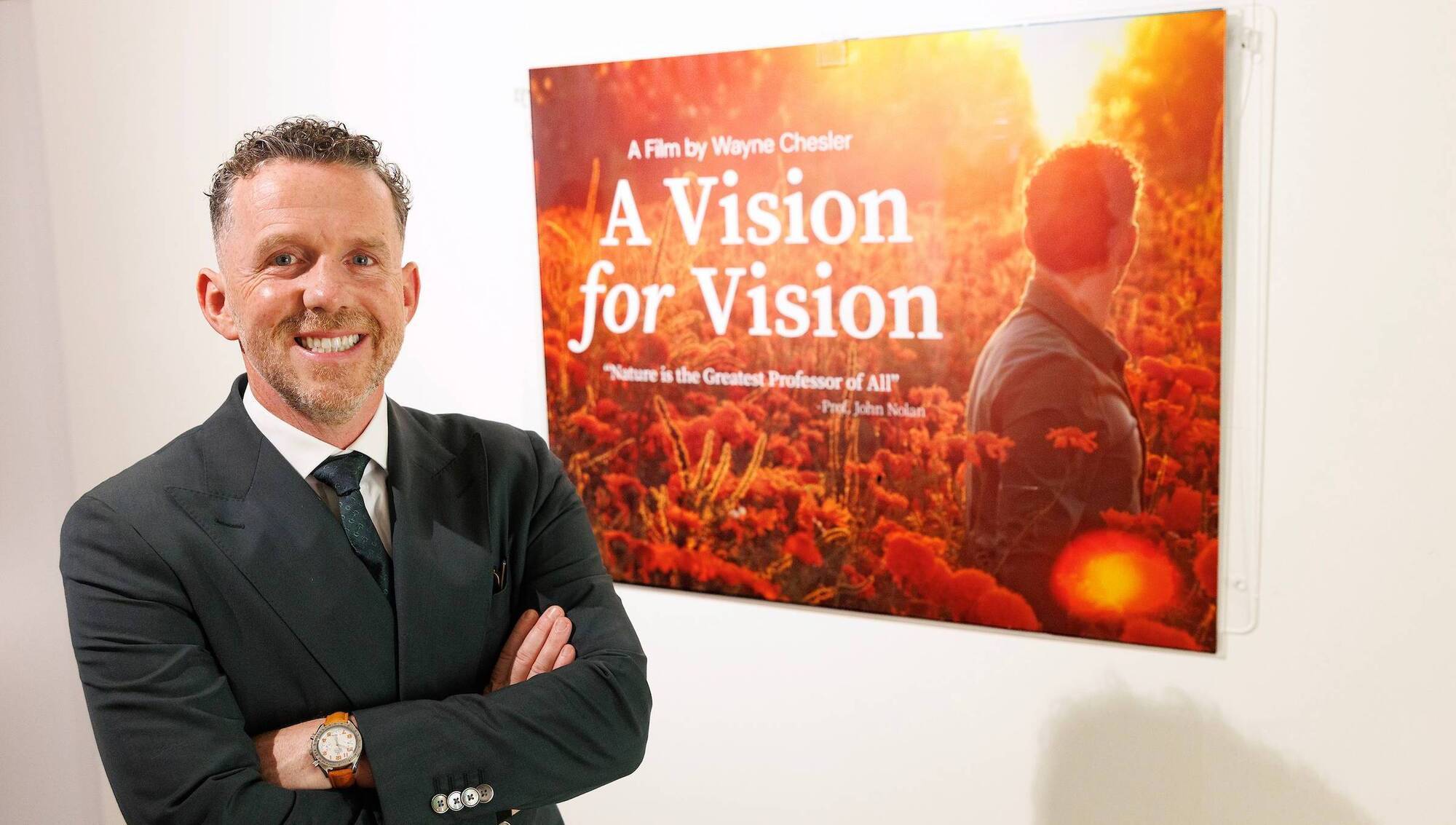
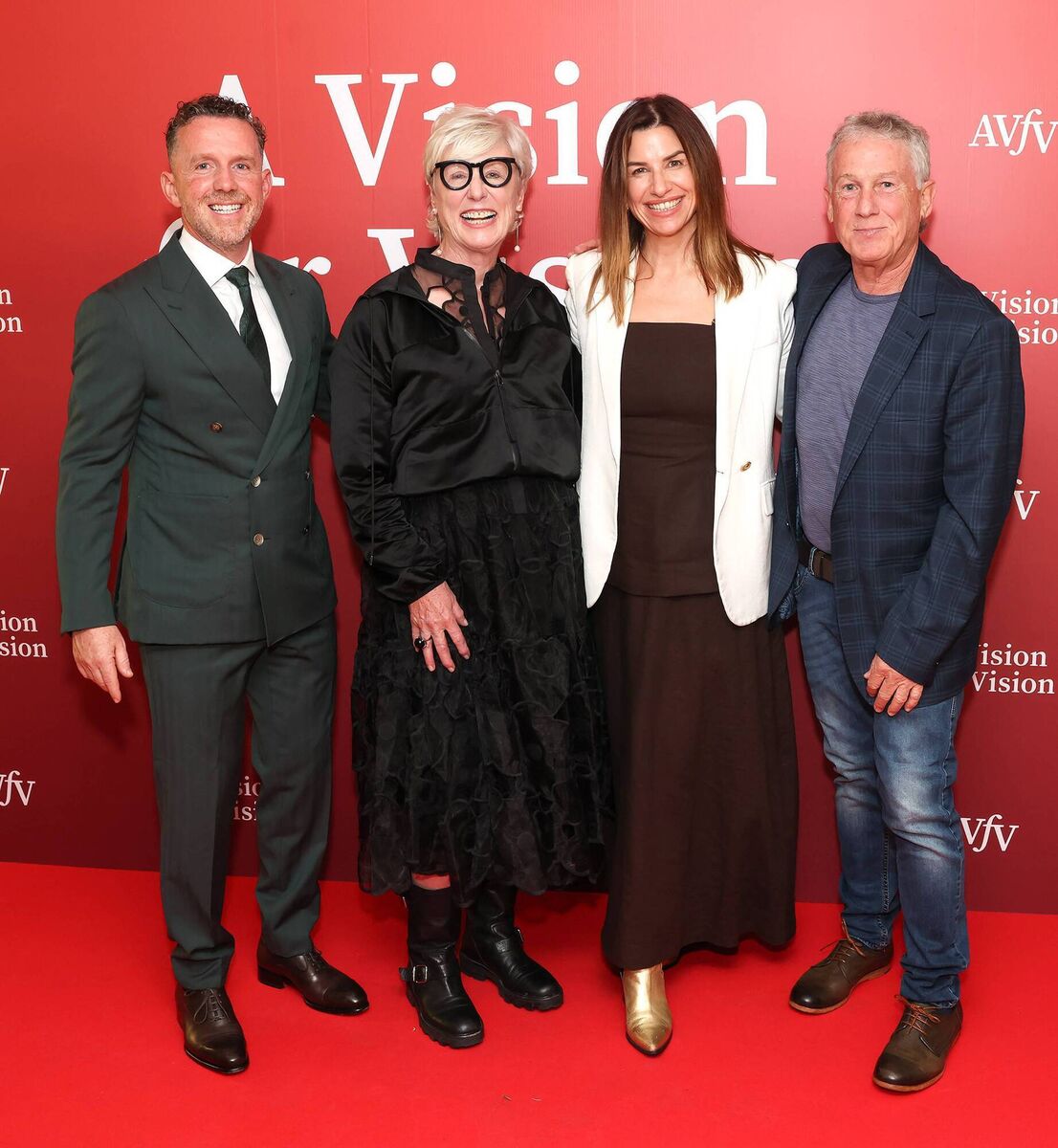
Professor John Nolan at the premiere of his film, A Vision For Vision, which details his research
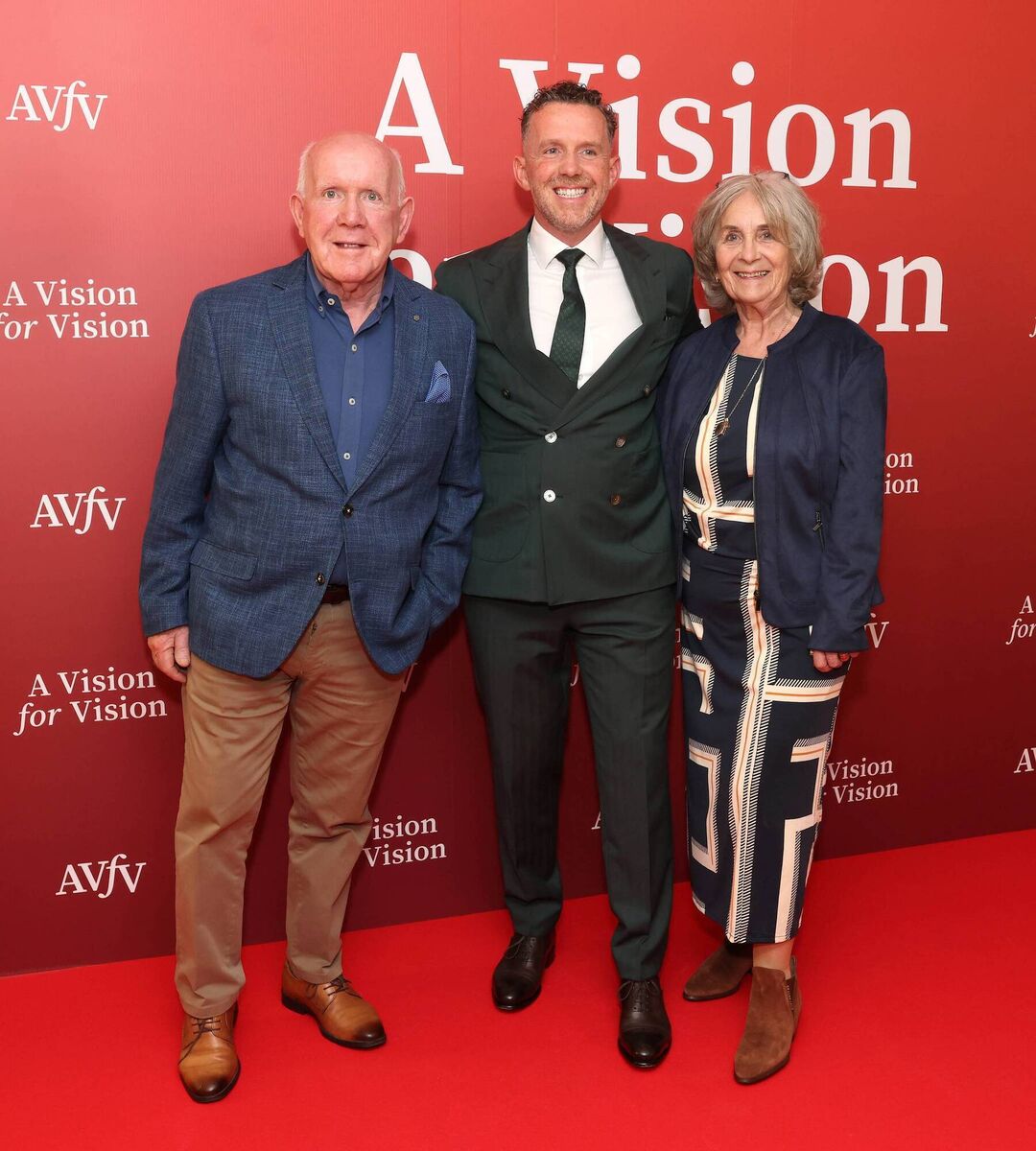
Acting as a “guinea pig” for his research, his mother, Helen (now 76) agreed to be one of the first participants of his research programme, and he says that he has been able to see first-hand how nutritional changes were hugely beneficial to her.
“I started my PhD in 2001 and soon afterwards, we secured a fundus camera, which lets us photograph the back of the eye,” he says.
“I was only beginning my PhD, and I didn’t yet understand the full extent of what AMD could do,” he says.
“It affects much more than the person with the diagnosis,” he says.
Working with professor Riona Mulcahy at University Hospital Waterford, Professor Nolan and his team were the first research group to measure macular pigment in patients with Alzheimer’s disease. And in their initial study, they found that these patients had significantly lower macular pigment and poorer vision than people of a similar age without Alzheimer’s.
Professor Nolan and his team carried out a series of general studies, as well as more specific tests of memory and attention.
The conclusion Professor Nolan and his team have come to is that “nutrition is one of the most important factors we can modify to support health as we age, including brain and eye health”.
“But one of the biggest challenges in science is putting research findings into clinical practice. That can take 10 or 15 years from discovery to application and I feel strongly that we need to get better at moving reliable findings into practice, so people can benefit from them sooner.
CONNECT WITH US TODAY



Be the first to know the latest news and updates