Working Life: I didn’t set out to become a psychotherapist
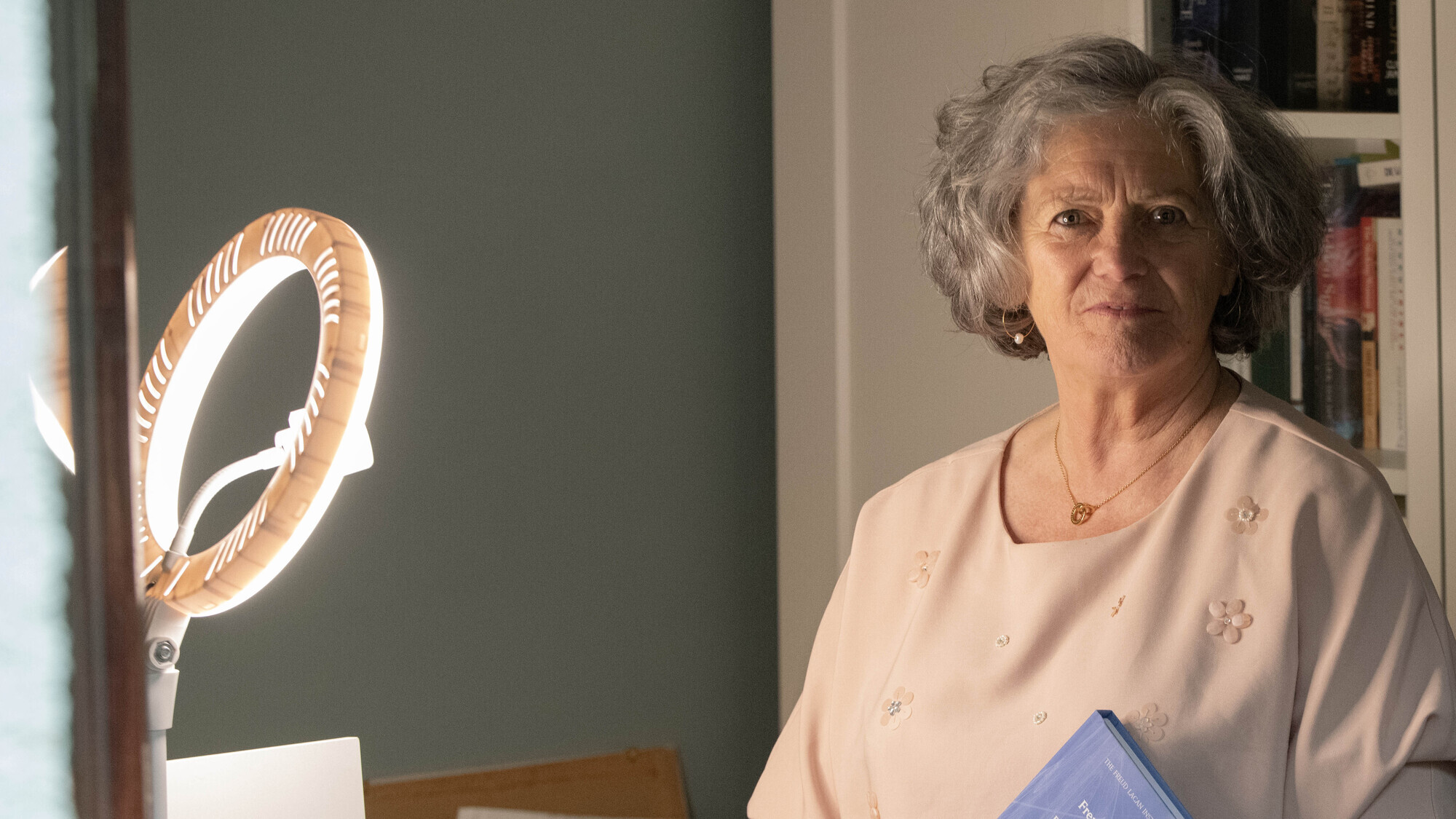
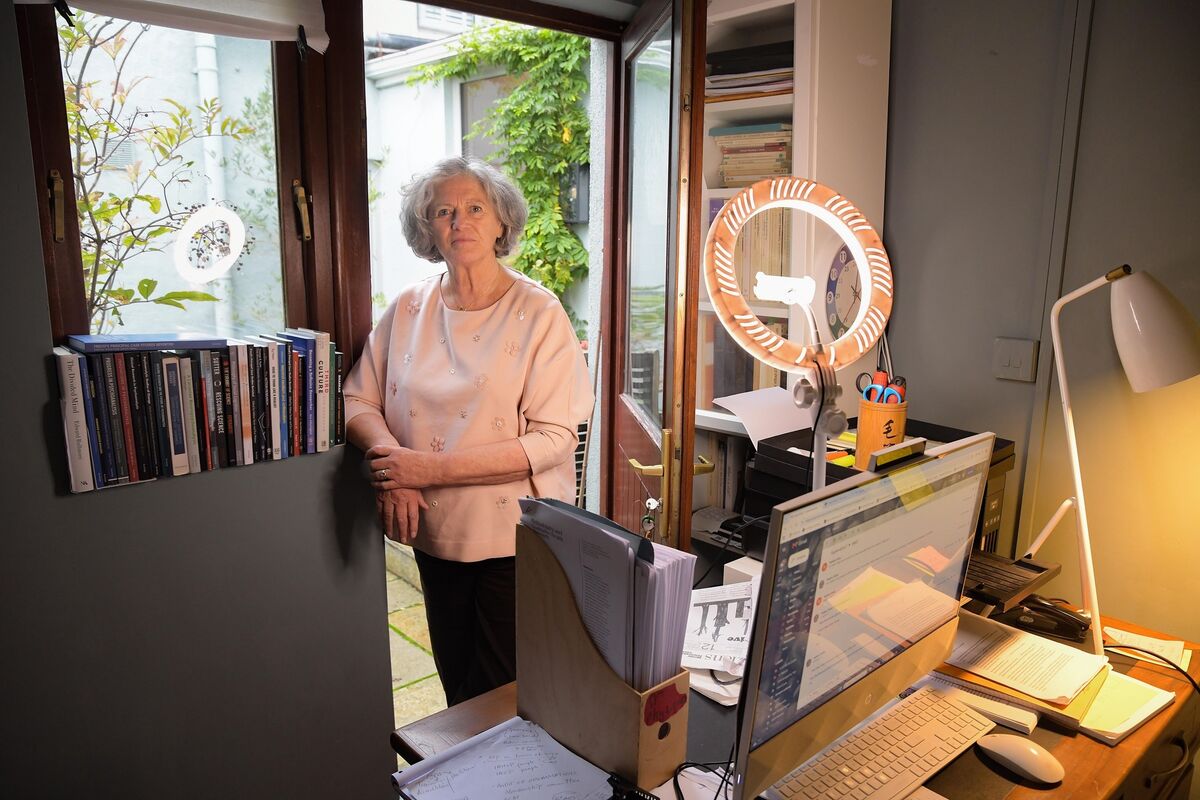
Helena Texier, psychoanalytic psychotherapist, Pictures: Moya Nolan
“I didn’t set out to become a psychotherapist. While studying philosophy at Trinity College Dublin (TCD), I had a lecturer who was a psychoanalyst, and he introduced us to some reading material that I found very compelling. That was the launch pad for me.
“I graduated with an honours degree in philosophy and while still in my 20s, I applied to do an MSc in psychoanalytic psychotherapy at the School of Psychotherapy at St Vincent’s University Hospital in UCD. I managed to get in, even though I was considered too young by some, as it was really geared towards people well-established in the field.
“What we look at is how to move people on from their suffering in a meaningful and permanent way. It’s deeply personal; it involves going deeply into where the person has come from in a way that is safe. Psychoanalysis allows people to tell their story and to understand it from their own point of view and from other people’s points of view, and ultimately to liberate themselves from it.
“It’s almost 100 years since psychoanalysis was introduced to Ireland, a few decades after the father of psychoanalysis, Sigmund Freud, first developed the idea of treating psychological distress through talking and exploring the unconscious mind.
“Unfortunately, today, a lot of psychotherapists are quite distressed by the new standards set by our regulatory body Coru for the education and training of psychotherapists. At a recent conference of the Irish Council for Psychotherapy (ICP), a key concern was Coru’s decision not to make personal therapy a regulatory requirement for training.
“The consensus among working therapists is that no one should be allowed in a room with a vulnerable person and offer therapy if they haven’t done personal therapy themselves. To offer therapy, it’s vital to have held the mirror up to yourself.”
CONNECT WITH US TODAY



Be the first to know the latest news and updates