Iron — why is it important, and how do I know if I am deficient?
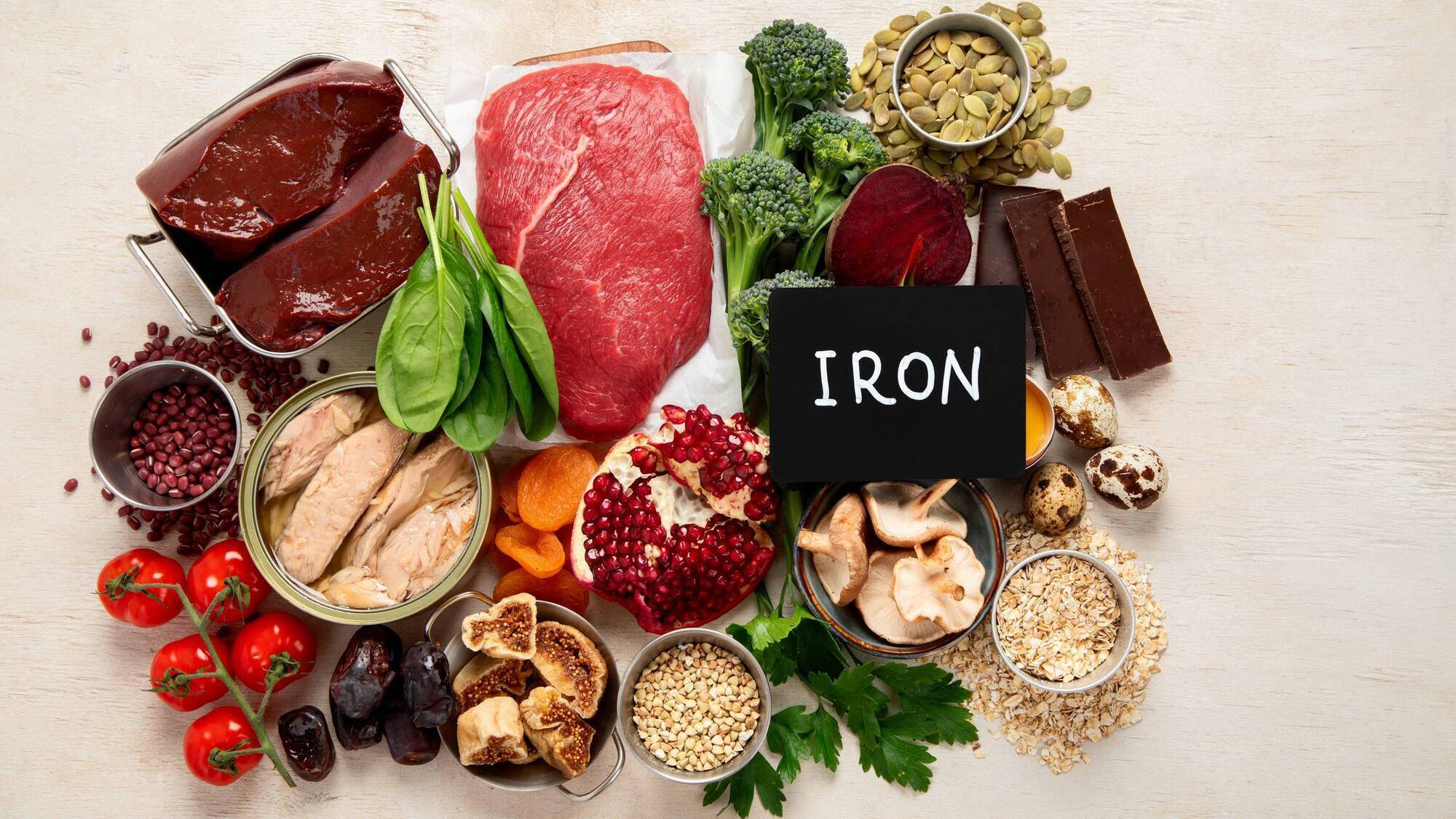
Anaemia is one of the most common dietary disorders, and while meat and poultry are great sources of iron, plants can provide sufficient amounts
Vegetarians can maintain healthy iron levels by eating legumes, whole grains, green leafy vegetables, dried fruit, nuts, and seeds. Picture: iStock

Vegetarians can maintain healthy iron levels by eating legumes, whole grains, green leafy vegetables, dried fruit, nuts, and seeds. Picture: iStock

It is described by the World Health Organization as “the most common and widespread nutritional disorder in the world” and a 2024 study of more than 100,000 adult patients in Ireland, conducted at the University of Limerick, revealed that “the burden of anaemia in the healthcare system is substantial, especially for older people”.

According to the findings published in the journal BGP Open, around 12% of Irish patients had iron-deficiency anaemia, a condition in which the body does not have enough healthy iron-rich protein haemoglobin to carry oxygen to the cells around the body, with one in eight women and one in 10 men affected.

All age groups are susceptible to a lack of this vital mineral, with peri-menopausal women and teenage girls at risk of critically low iron.

More than 80% of pregnant women in Ireland are found to be iron-deficient by their third trimester, according to scientists at University College Cork’s Irish Centre for Maternal and Child Health (INFANT) and School of Food and Nutritional Sciences. “It seems while many women may begin pregnancy with normal iron levels, they are not getting enough to keep up with the body’s increasing needs as pregnancy progresses,” said lead researcher, Dr Elaine McCarthy, of her  2024 findings published in The American Journal of Clinical Nutrition.

Some medical conditions are also a risk for iron-deficiency anaemia, but for most of us, the main cause is a lack of the mineral in the diet. And our changing dietary patterns could mean an increasing number are falling below the threshold for healthy intakes.

There are two types of dietary iron: Haem and non-haem. The haem iron in meat, fish, and poultry is better absorbed by the body.

As many of us shift to eating less meat and more plant-based foods, it could be that we need to increase our focus on our iron intakes, says Aveen Bannon, dietitian at the Dublin Nutrition Centre. “If you cut meat out drastically and quickly, you might risk low iron levels,” she adds.

While we can obtain enough iron from plant foods, many of the foods also contain natural substances, such as phytate and certain polyphenols, which bind iron during digestion and reduce its absorption.

How much iron do we need?

According to HSE guidelines, men of all ages and women over 50 need 8.7mg of iron a day; for women aged 19 to 50, it is 14.8mg a day.

Generally, the darker the meat, the more iron it contains.

  • Steak: 3-3.6mg per 115g;
  • Chicken: The darker meat, the legs and thighs, contains about 1.3mg per 100g, while white breast meat is 0.7mg per 100g;
  • Fish and seafood: Sardines in tomato sauce provide 5mg per 125g, tinned tuna 1.5mg per 100g, whitebait (5mg per 100g), mussels (6.5mg per 100g), and pilchards (4.5mg per 155g).

Can you get enough iron from plant foods?

With careful planning, most people can meet their iron needs on a plant-based diet. Many plant foods, including legumes, whole grains, green leafy vegetables, dried fruits, nuts, and seeds, contain meaningful amounts of iron, and many breakfast cereals are also fortified with the mineral. Spinach is a good source of iron, but it also contains oxalates, which reduce the body’s absorption of the mineral. Cooking spinach reduces water content, so that the iron is more concentrated.

  • Spinach: A 100g serving of raw spinach contains around 2.71mg of iron, but cooked spinach contains 3.57mg;
  • Dried fruits: Typically contain around 1.0mg of iron per 30-40g serving, with dried figs, apricots, raisins and prunes as the best sources;
  • Nuts: 1-2mg of iron per small handful, with cashews containing relatively high amounts at 1.8mg per 30g;
  • Lentils (all varieties): 2.8mg iron per two tablespoons (21g)
  • Chick peas: 1.3mg per two tablespoons.

Can you get enough iron from plant foods?

With careful planning, most people can meet their iron needs on a plant-based diet. Many plant foods, including legumes, whole grains, green leafy vegetables, dried fruits, nuts, and seeds, contain meaningful amounts of iron, and many breakfast cereals are also fortified with the mineral. Spinach is a good source of iron, but it also contains oxalates, which reduce the body’s absorption of the mineral. Cooking spinach reduces water content, so that the iron is more concentrated.

  • Spinach: A 100g serving of raw spinach contains around 2.71mg of iron, but cooked spinach contains 3.57mg;
  • Dried fruits: Typically contain around 1.0mg of iron per 30-40g serving, with dried figs, apricots, raisins and prunes as the best sources;
  • Nuts: 1-2mg of iron per small handful, with cashews containing relatively high amounts at 1.8mg per 30g;
  • Lentils (all varieties): 2.8mg iron per two tablespoons (21g)
  • Chick peas 1.3mg per two tablespoons.

How do you tell if you are deficient?

Iron’s main role is enabling red blood cells to ferry oxygen around the body, and, without enough of it, the capacity of blood to carry oxygen is reduced, leaving you breathless and exhausted. Because symptoms are nonspecific, the only way to confirm deficiency is through a blood test, and anyone with persistent symptoms should see their GP.

A blood test will reveal if haemoglobin levels are below the normal range of 130-170g per litre for men and 120-150g per litre for women, in which case you may be prescribed up to 200mg of ferrous sulphate.


Are there other foods that hinder the absorption of iron?

Tannins in tea and coffee bind to iron and inhibit the body’s ability to absorb it, so people drinking six or more cups a day might want to cut down.

Calcium-rich foods, such as cheese, yogurt, and cow’s milk can reduce the absorption of plant-based non-haem iron, so it’s wise to avoid eating them at the same time as your iron sources.

“We should avoid taking iron together with milk, tea, coffee, or dairy products, because these can bind to the iron and reduce its absorption,” says Dr Andrea Monteagudo-Mera, a research associate in the School of Biological Sciences at Reading University in Britain.

It’s not just your diet

Some medical conditions can affect iron absorption, and a deficiency can follow blood loss from surgery, ulcers, and polyps, diabetes, and other causes of internal bleeding.

People with coeliac or inflammatory bowel disease might have impaired iron-absorption issues, and women who menstruate heavily or who are pregnant can be prone to low levels of iron. If you take any medications, it is important to discuss the implications on iron levels with your GP.

One study, in the Annals of Internal Medicine, showed that adults aged over 70 who were taking a low-dose daily aspirin were 20% more likely to develop anaemia within the five-year trial.

Do you need a supplement?

“A blood test by your doctor, that measures the number of red blood cells and amount of haemoglobin, can tell if you have iron-deficiency anaemia, in which case a course of supplements might be prescribed,” says Bannon.

Oral iron from supplements is best absorbed on an empty stomach and ideally taken at least two hours before and after meals.

Vitamin C helps the body to absorb iron from plant food sources, and a review of 17 studies published recently in BMJ Nutrition Prevention & Health suggested that drinking a glass of guava juice, which contains up to four times more vitamin C per 100g than oranges, with iron supplements, is a good way to increase your body’s uptake of the important mineral.

Iron toxicity is a risk, so keep an eye on iron intake from all sources, including fortified foods, multi-vitamins, and energy drinks, to make sure you are not getting too much.

One Lancet Haemotology study found that taking an iron supplement every other day might optimise absorption and reduce unwanted GI side-effects, such as constipation.

x

More in this section

Lifestyle

Newsletter

Eat better, live well and stay inspired with the Irish Examiner’s food, health, entertainment, travel and lifestyle coverage. Delivered to your inbox every Friday morning.

Cookie Policy Privacy Policy Brand Safety FAQ Help Contact Us Terms and Conditions

© Examiner Echo Group Limited