'I developed crippling anxiety and felt like a different person after taking a GLP-1 drug'

Kate Pleace says after talking a GLP-1 drug, she developed “crippling anxiety and “felt like a completely different person”.
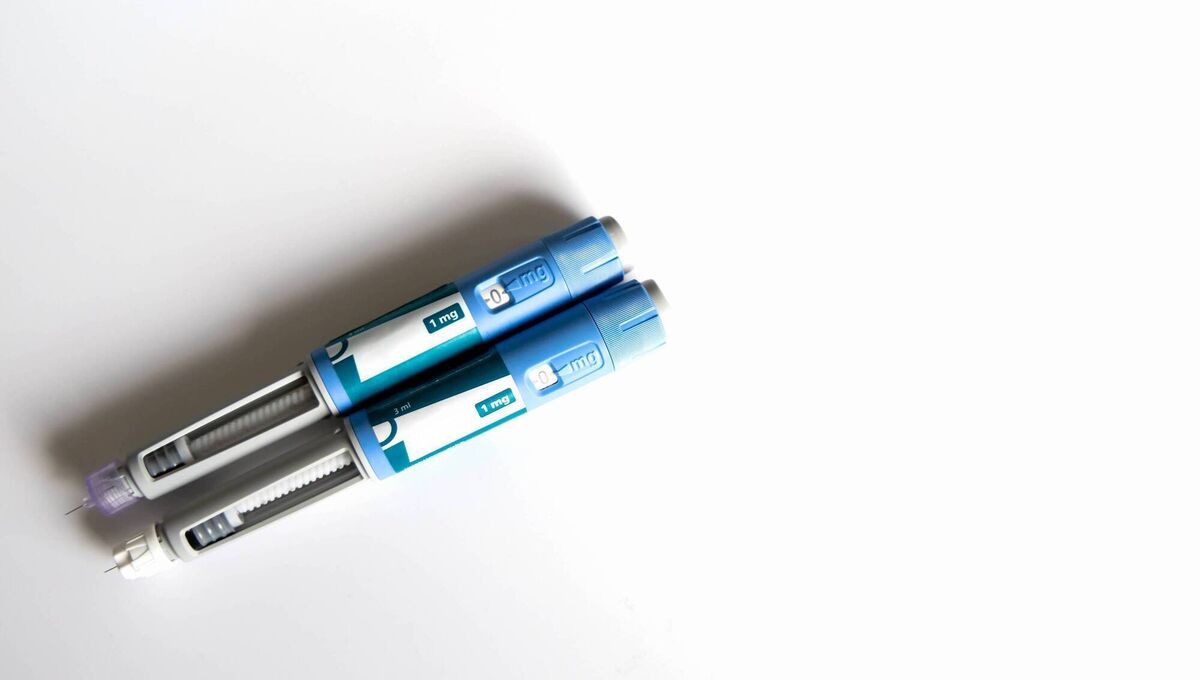
GLP-1 medications such as Ozempic have transformed the treatment of obesity as a chronic disease.
Most medications come with side effects, and when it comes to GLP-1s, the research is constantly evolving. Some side effects are common, some rare, while others are due to weight loss rather than the drugs themselves.
One of the more recent side effects associated with higher GLP-1 doses is allodynia, a condition in which normally non-painful touch or sensations are experienced as painful.
“Even your clothes touching your skin causes pain. Although when you dose-reduce, the side effect goes away,” says consultant endocrinologist and specialist in obesity Prof Donal O’Shea.
Dysaesthesia — “a tingling, burning sensation in the skin” — is another uncommon side effect that’s being observed at higher doses and with a 20-25% change in weight, says Dr Mick Crotty, the GP lead for obesity with the Irish College of General GPs (ICGP), adding “it generally isn’t a concerning or significant issue”.
Broadly, O’Shea says, the common side effects of weight-loss medications are gastrointestinal, “nausea, vomiting, constipation, reflux, and sulphur burps”, while a reaction around the injection site may occur in some individuals.

Loss of muscle mass is often a concern for people taking a GLP-1, but “that is overplayed”, says Crotty, explaining that regardless of whether weight is lost through bariatric surgery, medication, or a calorie-restricted diet, the amount of muscle loss is similar.
Dexa scans have been used in clinical trials to assess muscle loss from GLP-1s, but these scans cannot directly measure that loss. What they quantify is lean-mass loss, of which only around 50% is muscle.
“The actual muscle loss is probably lower,” Crotty says, adding that “more accurate” MRI scanning suggests some of the loss may reflect reductions in liver fat, fluid, and intramuscular fat rather than actual muscle loss.
While most people are aware that they should not become pregnant while on a GLP-1, it is less well known that tirzepatide may affect the absorption of the oral contraceptive pill.
The College of Sexual and Reproductive Health offers guidelines around contraception and GLP-1 medications, Crotty says.
For those on tirzepatide, it advises using a barrier method of contraception in conjunction with the oral contraceptive for four weeks after starting treatment and for four weeks after every dose increase.
However, it stressed that a causal link had not been established.
It updated the product insert for all GLP-1 receptor-agonist medications, advising that patients should be monitored for depression, suicidal ideation, and changes in mood or behaviour, and that the benefits and risks for patients with current or past suicidal thoughts or behaviours should be considered before prescribing or continuing the drug.
Through her work as a fertility nurse and menopause specialist, British-based Katherine Pleace routinely met patients prescribed GLP-1 medications.
After checking the criteria and realising she met several — including having a chronic condition, elevated cholesterol, and a BMI of 30 — she sought a private prescription in February of last year.
Pleace spent two years at UCD lecturing on women’s health, and was diagnosed with premature ovarian insufficiency (POI) at the age of 34. Latterly, she was also diagnosed with progesterone hypersensitivity (PH), a rare condition in which the body reacts to progesterone or synthetic progestins (she wrote a book about PH, see @fertility_menopause_poi on Instagram).
During her online consultation, she disclosed her full medical history “because I knew that perhaps my body’s a little bit different from others, a little bit sensitive”.
Potential side effects were discussed, she says, and the focus was on gastric side effects such as nausea, appetite loss, and stomach upset.
She was prescribed tirzepatide and started on the lowest dose. Within hours, she began to feel “strange”, noticed an odd taste in her mouth and, by the next day, felt fatigued and had stomach pain — symptoms she attributed to the side effects she’d been warned about.
“Then, slowly over the next two days, things got progressively worse,” she says.
She developed tachycardia, severe stomach pain, diarrhoea, insomnia and “crippling anxiety”.
“Within about two to three days, I felt like a completely different person. I felt like I had no idea where I was, what I was doing.”
She was puzzled; nothing had changed in the few days to cause her mental state to deteriorate so badly, “and that’s when I thought, ‘hang on a minute, it’s got to be the medication.’”
Pleace contacted the clinic, told them she was stopping it and why, and requested that her experience be reported to the British medicines regulator. The clinic was unaware of any of the side effects she’d experienced. She recovered fully, but “it took probably about six to eight weeks to feel better again”.
Pleace was initially reluctant to speak publicly about her experience, as she didn’t wish to discourage others from trying a medication she recognises has been life-changing for many. Having reflected, she says: “People should know, because I think if someone had said to me, ‘look, it’s a really low-risk, but it might cause changes in your mental health or difficulty sleeping’, it may have influenced my decision to take it.”

CONNECT WITH US TODAY



Be the first to know the latest news and updates