Food for thought: Diets that improve cognitive health and lower dementia risk
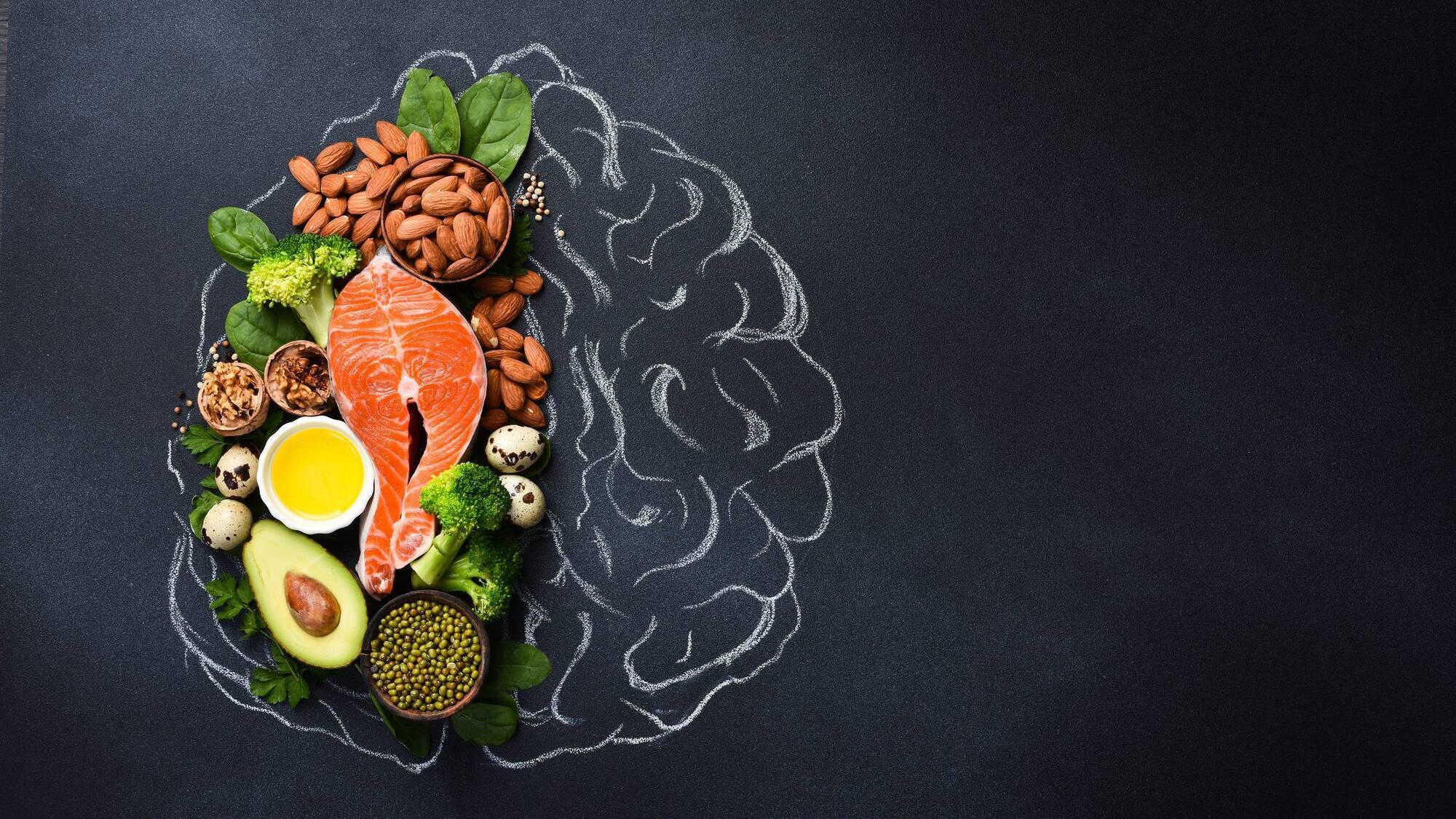
The DASH and Mediterranean diets have come out on top for improving cognitive health and lowering your risk of developing dementia. Here's the lowdown.
Food for thought: Diets that improve cognitive health and lower dementia risk

The Dash and Mind diets are now being linked with cognitive health following high-quality studies, including research that followed 160,000 adults over the course of 30 years. Picture: iStock

The findings of two recent scientific studies may have you dashing to the supermarket to stock up on fruit, vegetables, and wholegrains. These studies compared different healthy eating regimens and concluded that the Dash diet, designed to prevent or treat high blood pressure, was most effective at protecting cognitive health and reducing dementia risk.

The first was published in February  and analysed US data from studies conducted between 1986 and 2017. It examined six healthy eating patterns and found that people who closely followed the Dash diet had a 41% lower risk of cognitive decline than those who didn’t. . It used data from 1,647 middle-aged and older individuals and found that the Mind diet — a combination of the Dash and Mediterranean diets — was associated with a slower deterioration in total grey matter volume in the brain. The study’s authors argued this showed the diet had the potential to delay brain ageing.


Eimear Mullen, a senior dietitian with the age-related health care memory assessment service at Tallaght University Hospital, believes the studies should be taken seriously.

“Both studies have a large number of participants,” she says. “The first alone includes data from almost 160,000 adults and follows them for 30 years. It’s a very high-quality study. The only drawback is that its participants are largely female and of a white ethnicity.”

So what exactly are the Dash and Mind diets?

Registered dietitian Orla Walsh ( www.orlawalshnutrition.ie) explains that Dash stands for Dietary Approaches to Stop Hypertension and was developed as “an eating pattern to reduce high blood pressure. It’s high in fruit, vegetables, low-fat dairy products, wholegrains, fish and nuts and low in animal proteins and sugar”.

Orla Walsh: The Mediterranean diet is known as one of the healthiest.

Mind is an acronym for Mediterranean-Dash Intervention for Neurodegenerative Delay and it’s a hybrid of the Mediterranean and Dash diets.

“The Mediterranean diet is known as one of the healthiest in the world, specifically for its prevention of various chronic diseases,” says Walsh.

“It emphasises fruits, vegetables, nuts, seeds, wholegrains, legumes, fish, lean proteins, and olive oil, and minimises red meat and sugar.”

The Dash diet was developed by researchers at the National Heart, Lung, and Blood Institute in the US in the 1990s and studies have consistently shown its effectiveness at lowering blood pressure. In 2014, research analysing data from 1,917 participants found that it also lowered cholesterol and the risk of cardiovascular disease.

Although the Dash diet was designed to improve heart health, it has also shown other benefits. It’s been associated with improved asthma symptoms, a lower risk of kidney stones, and better management of symptoms in women with polyendocrine metabolic ovarian syndrome (PMOS).

Good for the mind

Mullen isn’t surprised that the Dash and Mind diets are now being linked with cognitive health.

“Because the Dash diet is good for the heart, it’s to be expected that it should also be good for the brain,” she says. “Hypertension puts pressure on the blood vessels throughout the entire body, not just the vessels leading in and out of the heart. Hypertension can also cause breakdown of brain tissue, which is what leads to cognitive impairment.”

Consultant neurologist and clinical lead of the HSE dementia services Seán O’Dowd agrees that “issues implicated in heart health are also implicated in brain health — high blood pressure, cholesterol, and type 2 diabetes are all cardiovascular health factors that are also associated with brain health. It stands to reason that a diet that’s good for the heart is also good for the brain”.

O’Dowd cites the most recent Lancet Dementia Prevention Report in 2024https://www.thelancet.com/article/S0140-6736(24)01296-0/abstrac, which lists the factors that contribute to dementia. They include hypertension, smoking, obesity, type 2 diabetes, depression, excessive alcohol consumption, hearing loss, traumatic brain injury, air pollution, and social isolation, as well as the newly identified factors of untreated vision loss and high LDL cholesterol.

Up to 45% of dementia cases can be delayed or prevented by addressing the risk factors

“And while it’s never too late to make positive health changes, research shows it’s best if people try to identify and address these risk factors from middle age.”

O’Dowd urges all those over 40 to visit their GP and get their blood pressure and cholesterol levels checked once a year.

“According to the most recent TILDA report, 56% of people over 50 with hypertension in Ireland are unaware they have the condition,” he says. “I suspect the same would be true for people with high cholesterol. Identifying high blood pressure and cholesterol levels, and treating them early, can have a significant impact on ageing well.”

Exercise is another important factor. O’Dowd recommends aiming for two and a half hours a week and says, “this can be as simple as a brisk walk”.

He adds that we should all “work on eating a healthy, balanced diet like the Dash diet”.

Walsh acknowledges that it can be difficult to change our eating habits. It’s why she recommends “finding shortcuts like stocking up on frozen veg if you’re trying to eat more vegetables. Not having to wash, peel, or chop will make eating vegetables a little easier”.

Mullen advises incremental steps. “Lots of people make the mistake of radically overhauling their diets, which isn’t sustainable,” she says. “Start small and build from there. For example, replace takeaways and convenience foods with home-cooked meals or stock up on fruit and plain nuts instead of snacking on chocolate or crisps.”

Planning so you always have healthy food in the house and eating regularly can also help.

“That way, you won’t go for long periods without food and end up so hungry you eat whatever is quick and convenient,” says Mullen.

The social benefits of sitting around the table with family and friends should not be underestimated, she adds. “It’s really important for cognitive health, particularly when many of us may lack social connection due to working from home and spending time on screens.”

x

More in this section

Lifestyle

Newsletter

Eat better, live well and stay inspired with the Irish Examiner’s food, health, entertainment, travel and lifestyle coverage. Delivered to your inbox every Friday morning.

Cookie Policy Privacy Policy Brand Safety FAQ Help Contact Us Terms and Conditions

© Examiner Echo Group Limited