Hands-on back pain treatment:

A new large-scale study has found that people with chronic pain can benefit as much from massage and acupuncture as from recommended active therapies
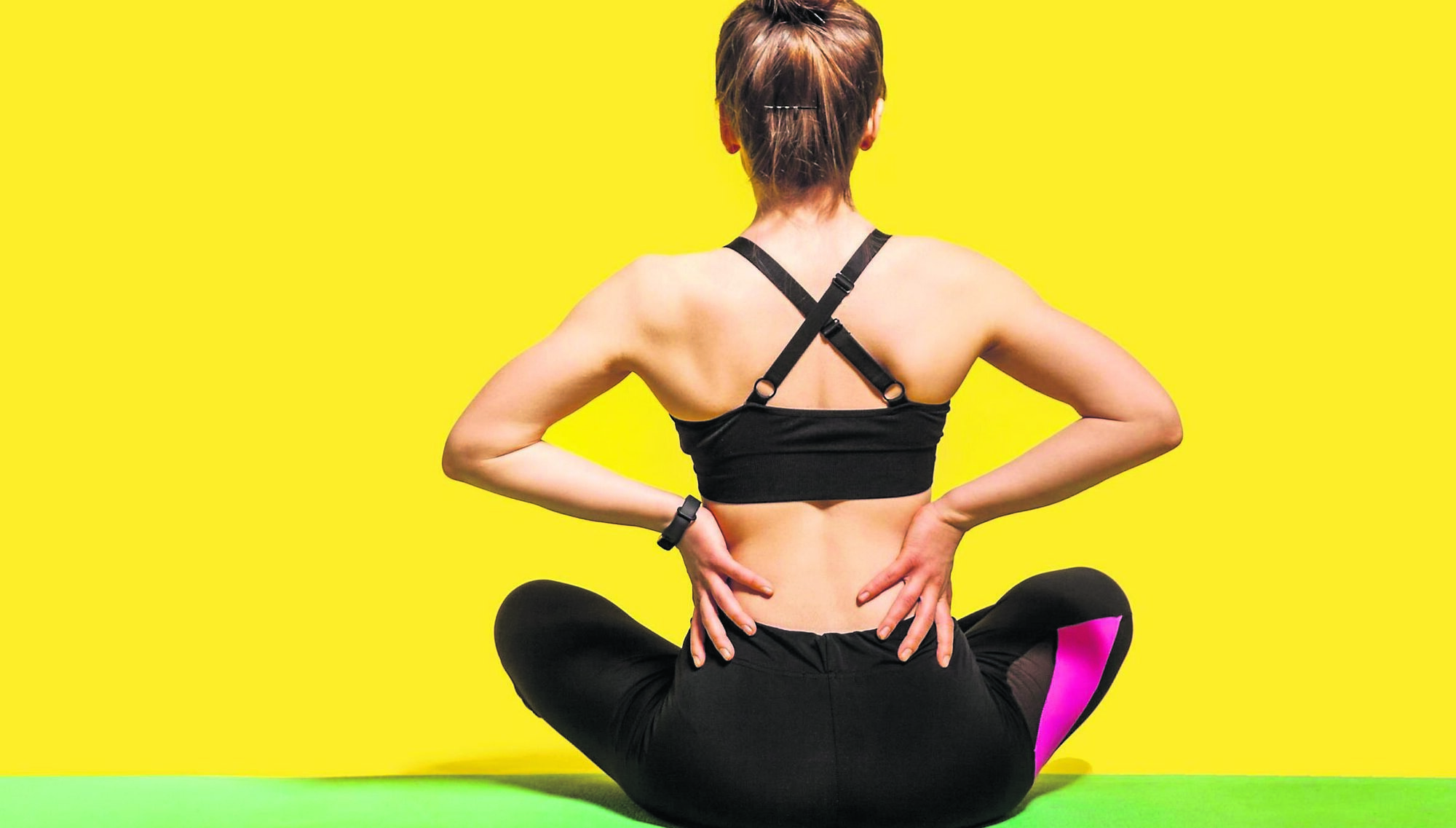
Chronic back pain is one of the most common conditions presented with to Irish GPs. Picture: iStock 

Chronic back pain is one of the most common conditions presented with to Irish GPs. Picture: iStock 

Chronic low back pain, defined as lasting for at least 12 weeks, is a condition that accounts for 25% of GP visits in Ireland every year. Painful and debilitating, it can cause reduced activity, low mood, and endless frustration in trying to find an elusive cure.

A recent study published in BMJ Medicine will hopefully help many people prone to chronic back pain.

Daniel Belavy, a professor of physical therapy at Bochum University of Applied Sciences in Germany, has spent much of his 20-year academic career researching musculoskeletal and spine health and, to date, has published more than 150 papers, many on the best treatments for easing the global burden of back pain.

His latest is “the largest analysis of chronic back pain treatments to date” and involves data from 551studies of more than 71,000 people, mostly with the condition. He and his colleagues sifted through studies on the effects of a range of popular therapeutic approaches for back problems, including exercise and hands-on manual therapies such as those administered by physiotherapists, osteopaths, or chiropractors, acupuncture, psychological approaches, and various drugs.

The findings were an eye-opener, even to himself.

Daniel Belavy: ‘Our research shows that when the pain has been there for a long time, exercise is an important part of treatment.’

Notoriously difficult to treat, chronic low back pain usually has not just one cause, but several. Costly gadgets often provide little in the way of long-term relief, making it a scourge that many struggle to overcome. Also, so-called passive treatments that usually involve a therapist doing the work while you sit or lie still, such as massage, acupuncture, and electrotherapy using devices such as a Tens machine, have frequently been dismissed by scientists as ineffective. Yet what Belavy discovered is that passive therapies seemed to bring a similar level of comfort to sufferers as the recommended active approaches.

In the case of massage, for example, it was found to be as effective as exercise in helping some people in the short term. Most guidelines prioritise active treatments, such as exercise, with passive treatments as, at best, a secondary tactic. “However, based on our findings, if outcomes such as pain and disability are the primary rationale for choosing treatments, there does not appear to be a reason to prefer active over passive treatments,” Belavy says.

Less welcome was the finding that improvements from any type of approach usually lasted for only about 10 weeks. “A short course of something may help, but it isn’t a long-term solution,” Belavy says. No individual therapy was found to be more effective than others in the longer term.

So what is the best plan of attack? Belavy suggests a radical change in thinking is required. “Chronic conditions such as hypertension and type 2 diabetes would never be managed as a single course of treatment and then leaving a person alone,” he says. “They are controlled with long-term care, self-management, lifestyle and behavioural changes, rather than short-term therapy cycles, which is the way we need to go with back pain.”

A move away from the idea that a single treatment will solve back problems and towards a tailored combination of practises that work for you is what is required, says Belavy. In other words, find what helps you and embrace it.

What’s clear from the new study is that there really is no magic cure for back pain. There is likely a therapy out there that will be helpful to you if you work your way through the list of exercise therapy, manual therapy, acupuncture, psychological approaches, and even drug treatments. “We know, from other research, that only about one third of the treatment benefit comes from the actual treatment itself,” says Belavy.

And don’t just stop when your back pain eases off. While it may not return, in many cases, chronic back pain ebbs and flows, so management should continue.

Should I keep exercising?

If you have acute back pain that has just started and is severe enough to cause discomfort on moving, then specific exercise is not a good idea. “Just try to keep active ... if you have just hurt your back,” Belavy says.

“Typically, it will start to get better in the first six weeks if you move within your pain limits and don’t just lie down.”

For chronic pain, it is different. In a 2019 study, Belavy compared 89 studies and found moving beats passive treatment or rest. “There is a common misconception that if someone is in pain, they should be resting, but our research shows that when the pain has been there for a long time, exercise is an important part of treatment,” he says.

It is known that exercise has some mood-enhancing and analgesic benefits. “It increases your threshold to feel pain,” Belavy says. “And we have reported that this effect increases over time as people lose their fear of movement through exercise and normal function returns.”

Will walking help?

Walking is one of the most manageable ways to keep pain at bay. Australian researchers reported in The Lancet that walking three times a week had a “profound impact” on people who had experienced lower back pain within the previous six months, almost halving the risk of its recurrence.

Mark Hancock, a professor of physiotherapy at Macquarie University in Sydney, and lead author of the paper, prescribed a gentle introductory walking programme to the back pain sufferers and told them the aim was to hit 30 minutes of walking a day on five days a week after six months. Their progress was quicker than expected. After 12 weeks, 701 people, aged 20 to 82, amassing an average of 26 minutes on each of their five allotted days, with a dramatic outcome. The [walking] intervention group had fewer occurrences of activity-limiting pain compared to the control group,” Hancock said. “And a longer average period before they had a recurrence, with a median of 208 days compared to 112 days.”

What kind of workout is best?

No exercise on its own is a cure and might not make much difference if done in isolation. Belavy says his previous research has pointed towards resistance exercise, weight machines or free weights, swimming, and cycling — anything that “improves the efficiency and capacity of your cardio-respiratory system” — is helpful for back pain relief. If you have acute back pain, you should avoid high-impact activity, but otherwise running can be added to the “good” list. When he compared non-exercisers with “long-distance” runners covering 50km a week or regular runners who clocked 20-40km a week for at least five years, all had healthier — plump and containing more fluid — spinal discs than the non-runners.

Does yoga or stretching help?

Previously, general stretching and McKenzie exercises, a treatment approach that uses a classification system to prescribe exercise, were shown by Belavy to be the least effective types of exercises for easing back pain. Yet his latest investigation reports that they do indeed help some people.

Similarly, yoga on its own won’t resolve your back pain, but might bring some benefits.

A Cochrane review of 21 trials involving 2,223 participants in their 40s or 50s suggested that three months of yoga might help to bring small improvements for people with chronic non-specific low back pain, but it was unclear whether it offered benefits above and beyond other forms of exercise.

Can gadgets ease the pain?

The market for back pain aids — from back belts and spinal stretching racks to hot and cold therapy and shoe inserts — is worth millions.

Few have been shown to make a significant difference in the long term and. The use of lumbar support belts in the long term is generally discouraged, as they can reduce the activity of core muscles, which weaken over time if used constantly.

More in this section

Lifestyle

Newsletter

Eat better, live well and stay inspired with the Irish Examiner’s food, health, entertainment, travel and lifestyle coverage. Delivered to your inbox every Friday morning.

Cookie Policy Privacy Policy Brand Safety FAQ Help Contact Us Terms and Conditions

© Examiner Echo Group Limited