Life Hack: How to wash and care for your linen clothing
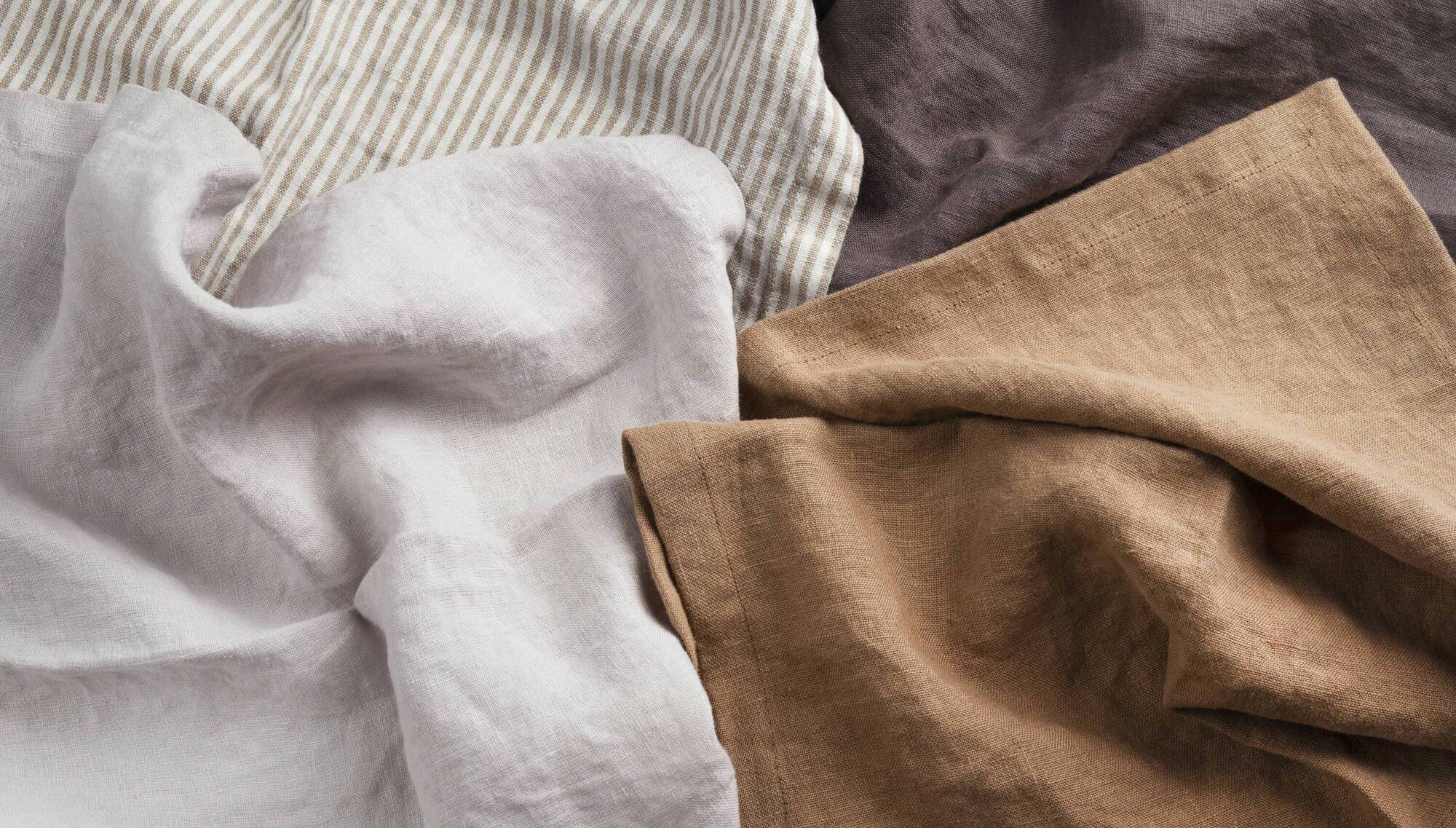
If you’re considering bringing some linen into your wardrobe this summer, here’s what you need to know about caring for it
Linen is a material that some people avoid as they are afraid of ruining it in the wash.

Linen is a material that some people avoid as they are afraid of ruining it in the wash.

Linen is a super-popular material for clothing in summertime, whether we’re wearing it at home during a heatwave or while holidaying in sunnier climes.

It’s breathable, so great to keep air flowing in hotter temperatures, and lightweight.

However, it’s also a material that some people avoid as they are afraid of ruining it in the wash — no one wants to wear something nice only once, after all.

If you’re considering bringing some linen into your wardrobe this summer, here’s what you need to know about caring for it.

What is linen?

Linen is a breathable fabric made with flax. Usually, linen clothing is 100% linen or made from a blend with other fabrics, like cotton, rayon, or viscose, which can give it a softer feel. Premium linen will feel crisp, have a subtle texture, and a clean appearance. Linen softens with wear and washing over time, but maintains its quality and breathable structure, so it is a long-term investment for your wardrobe.

How should I wash linen clothing?

In the past, linen was quite difficult to care for, but with modern high-tech finishes, the fabric is a lot easier to look after now.

For the most part, the majority of linen items are machine washable. Just keep an eye on the manufacturer’s care label inside the item and follow the guidelines set out there for temperature, etc. Those labels take into account the composition of the individual item, including any blends with other materials that may impact the laundering of the clothing.

In general, if you don’t have a care label, linen can be washed at a cool temperature to prevent it from shrinking in the heat. You should not overload the machine when washing linen; it can absorb twice its weight in water before it even starts dripping, and it washes better when it has more room in the machine’s drum.

Wash the item inside out to protect the outer fabric, and use a mild detergent.

If you have a stain on linen, most will wash out at relatively low temperatures, as the smooth surface of the fibre allows stains to be shed easily.

As you would with other fabrics, wash similar colours together to prevent discolouration. Don’t be alarmed if the fabric changes, the more you wash it. Linen softens the more it is washed, which also means creasing becomes less evident. Another side-effect of washing is that the colour can become brighter.

You probably don’t need to hand-wash a linen item, but if you want to, make sure you keep the water lukewarm, use a gentle detergent, and avoid wringing the fabric as that could damage its fibres.

What about drying?

When drying your linen clothing, you should reshape the piece by hand and hang it to dry, ideally away from direct sunlight. Alternatively, lie it flat to dry. Always avoid using a tumble dryer, as using one to dry linen can cause shrinkage.

How can I prevent wrinkles?

Linen wrinkles easily, more so when you are travelling and it has been packed tightly into your luggage. You should pack linen in tissue to minimise creasing while travelling.

When you reach your destination, hang up the linen clothing as soon as possible, perhaps in an area like a bathroom after a shower, as hanging linen in a damp environment can quickly knock out creases caused on the journey.

Another way to quickly remove wrinkles is to lightly mist the fabric with water and allow to dry. This works similarly to the damp environment described above, so the clothing will be wrinkle-free when dry.

Is it okay to iron linen?

You can iron linen, though often the softer, textured look of unironed linen adds to the look. If you need to iron an item of linen, make sure it is inside out and still slightly damp. Don’t make the iron too hot, and do not press it directly onto seams, as this may weaken the fibres.

x

More in this section

Cookie Policy Privacy Policy Brand Safety FAQ Help Contact Us Terms and Conditions

© Examiner Echo Group Limited