Life Hack: How to remove a tick and what you need to know about Lyme disease
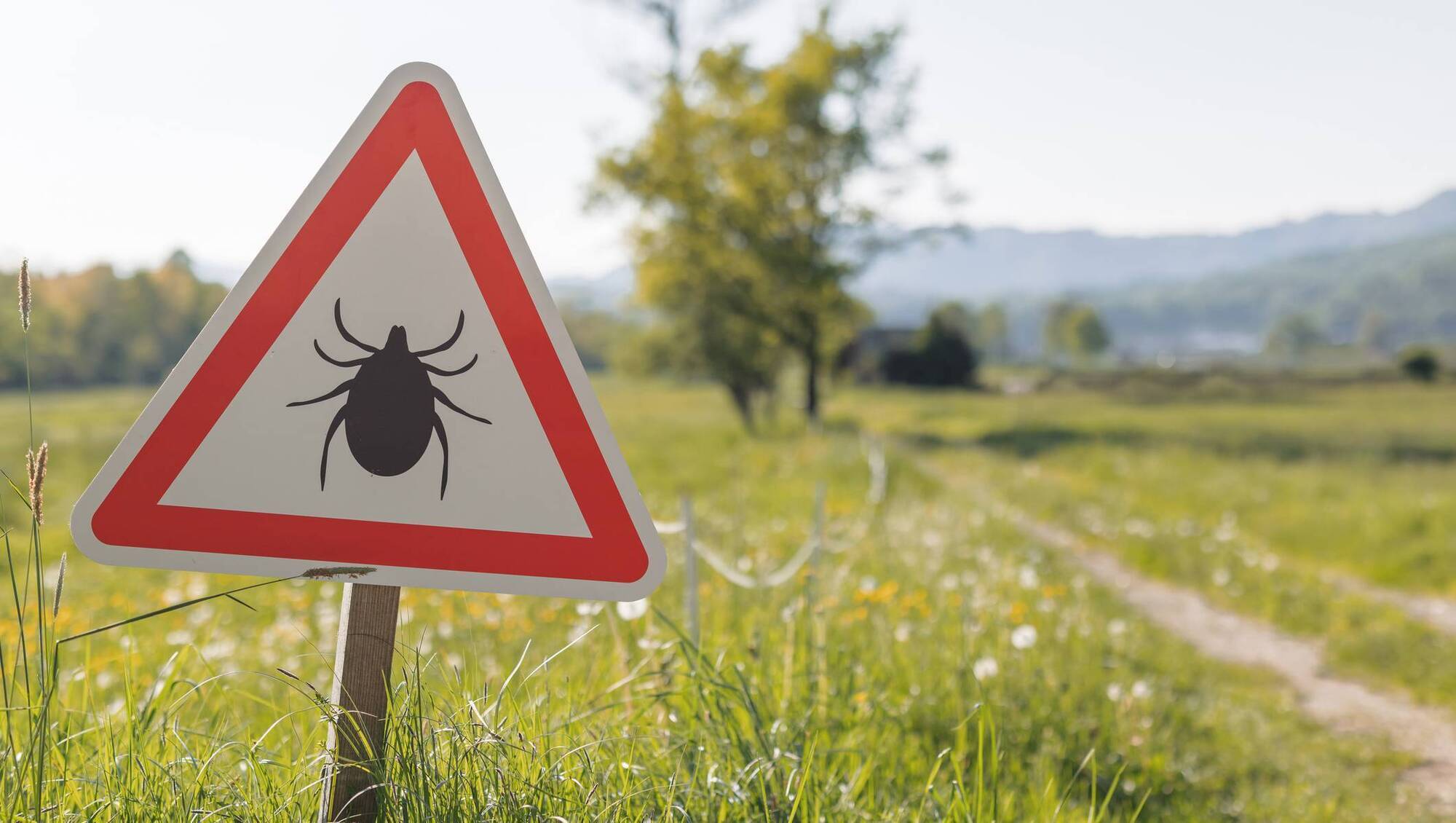
Tick bites can pose serious health problems, including infections like Lyme disease.
Ticks are small insects with six or eight legs that feed on the blood of birds and mammals, including humans. They are usually between 1mm and 1cm long.
Ticks are active from spring to autumn and can be found in both urban and rural areas, though they are most likely to be found in shady and humid woodland clearings with grass, areas of open grassland, parkland, fields and bushes, along walking paths, in wooded and forested areas, and among vegetation close to lakes and beaches.
Tick bites can pose serious health problems, including infections such as Lyme disease. A small number of ticks carry the bacteria that can cause Lyme disease. If you are bitten, it doesn’t mean you’ll definitely be infected, but it’s important to be aware of the risk, and you should speak to a GP if you start to feel unwell.
Lyme disease is a bacterial infection spread to humans by infected ticks.
It can be difficult to diagnose, as it has similar symptoms to other conditions, and there is not always an obvious rash associated with it.
Symptoms of Lyme disease can include malaise, unexplained flu-like symptoms, soreness and achiness, light and noise sensitivity, cognitive problems, fatigue, a stiff neck, facial palsy, numbness, and tingling. If it is left untreated, the infection can spread anywhere in the body, and some people can develop further health issues.
If you are diagnosed with Lyme disease your GP will prescribe antibiotics and they may refer you to hospital if your symptoms are severe and you need antibiotics through a drip.
Most people with Lyme disease get better after antibiotic treatment, but for some it can take months for the symptoms to improve.
While the exact number of Lyme disease cases is not known, it is likely several hundred cases of the milder forms of Lyme disease occur in Ireland annually, the Health Protection Surveillance Centre estimates. It is also likely about 100 people will have a positive blood test for Lyme disease each year.
Yes. When you are outdoors in an area known for ticks, stay on paths and avoid walking through long grass. Wear a long-sleeved shirt and trousers tucked into your socks and wear light-coloured fabrics — this may help you to spot a tick on your clothing.
You can use insect repellent on exposed skin and check your skin and clothing for ticks after you have been outdoors. If you have children, check their skin for ticks, paying particular attention to their head and neck areas, including their scalp. Also, check pets do not bring ticks into your home in their fur.
Typically, tick bites aren’t painful but a red lump may develop where you were bitten. Tick bites may also cause swelling, itchiness, blistering, and bruising in some cases.
If you have been bitten by a tick and it remains attached to you, it can be removed. Tick-removal devices can be bought at many pharmacies and outdoor shops. Use a tick-removal device if you have one, or fine-tipped tweezers to gently grip the tick as close to the skin as possible. Pull steadily away from the skin, but make sure you are not crushing the tick.
If the tick’s mouthparts break off in the skin and can’t be easily removed, you may experience irritation, but they should eventually fall out naturally.
Once the tick has been removed, monitor the area around the bite for further symptoms. If you do not experience any other symptoms, you do not need to speak to your GP.
If you believe you have been bitten by a tick, make an appointment with your GP if you experience a pink or red rash, a temperature of 38C or above, other flu-like symptoms such as a headache or joint pain, or swollen lymph nodes.
CONNECT WITH US TODAY



Be the first to know the latest news and updates