The recent weeks of high temperatures and dry weather have been quite a change from our usual summers, which typically see bursts of sunny spells separated by periods of rain and cloud cover. This summer has been quite different, most likely caused by climate change, and with that change comes a change in our behaviours too.
While any sun is typically met with an increase in outdoor activity, summer 2026 feels like unprecedented levels of barbecue planning and road trips — why plan a foreign getaway when the Irish summer offers better conditions? However, as this experience is so foreign to us, it comes with a few extra things to prepare for and be aware of in case of bad luck.
Of course, personal safety is important, and we’ve surely all been aware of warnings around limiting our sun exposure to prevent medical issues such as sunstroke and skin cancer. As well as this, warnings around water safety increase as more people flock to pools and beaches to cool down, increasing the risk of drownings and injuries.
While sun exposure and water safety awareness are important, they aren’t the only risks associated with a surge in temperatures. Insurance company Aviva is urging homeowners and drivers to take simple steps to protect their homes, gardens, and vehicles, and highlighted potential issues.
“Warm weather is always welcome, but it can bring risks people don’t always think about,” says Gillian Devereux, a senior loss adjuster at Aviva Insurance Ireland DAC. “From barbecues and garden fires to the impact of heat on vehicles, small issues can quickly escalate if precautions aren’t taken. Taking a few practical steps can help people spot issues early or avoid them altogether.”
Taking care at home
Summertime hazards in and around the home are numerous when temperatures are on the rise. The recent wildfire in Killarney National Park, suspected to have been ignited by a disposable barbecue, serves as a reminder of the dangers of barbecues and fires in areas where the surrounding grass and shrubbery are dry, meaning it can catch fire and spread alarmingly quickly.
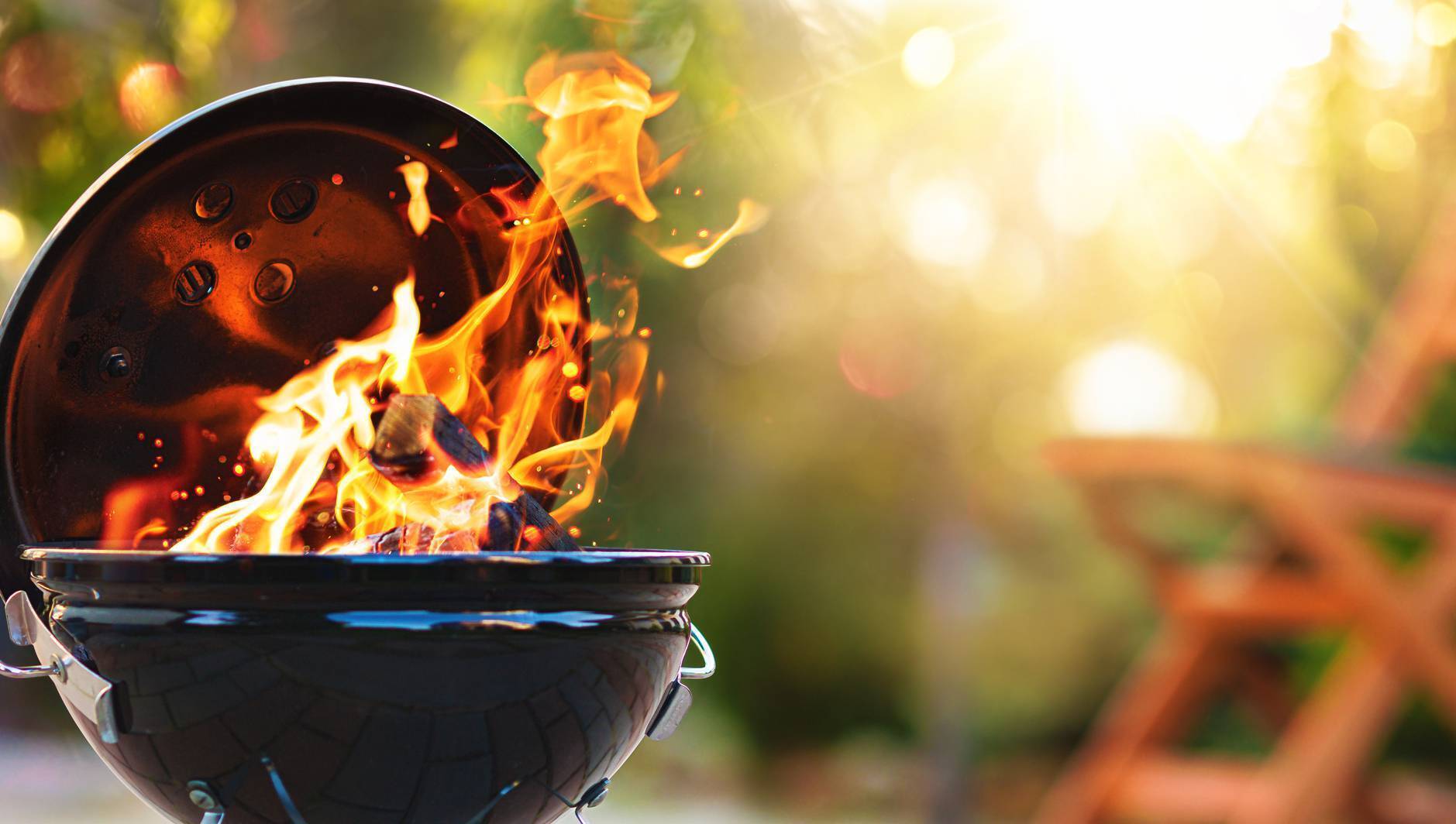
Aviva recommends avoiding using a barbecue in windy conditions, keeping them well away from buildings, and to fully cool any ashes before disposing of them carefully. It also cautions against bonfires and any other open flames in warm or dry weather, reminding people to never leave open flames unattended.
Other fire hazards within the home are plentiful in summer too, and flames could be caused by unexpected items. The insurer warns about mirrors, bottles, and other reflective items in particular, advising that they be moved from windowsills or sources of direct sunlight, as concentrated light reflected from them could spark a flame.
Overheating is another cause for concern, particularly when it comes to lithium-ion batteries, which can cause fires when running too hot. To prevent this, unplug tools once they are fully charged, and don’t charge devices overnight or leave them unattended while charging.
For smokers, a discarded cigarette or match could ignite dry grass or decking, so make sure to fully extinguish smoking materials and dispose of them carefully.
Taking care on the road
Motorists travelling in heatwave conditions should also pay extra attention to their driving conditions, Aviva says, as higher temperatures can affect vehicles.
Check your tyre pressure regularly; heat can cause the pressure to increase. Higher tyre pressure increases the risk of blow-outs, reduces traction as less tread contacts the road, worsens handling and braking, and accelerates uneven tyre wear.
Evaporation also comes into play, as it can increase in a heatwave. With this in mind, top up your oil and coolant levels before longer journeys. And while on the road for a longer trip, take more breaks to allow your engine to cool off.
Finally, watch out for signs of overheating in your vehicle. These include warning lights, rising temperature gauges, or steam under the bonnet.

Cancel anytime
CONNECT WITH US TODAY
Be the first to know the latest news and updates