Opec agrees to keep oil output targets steady
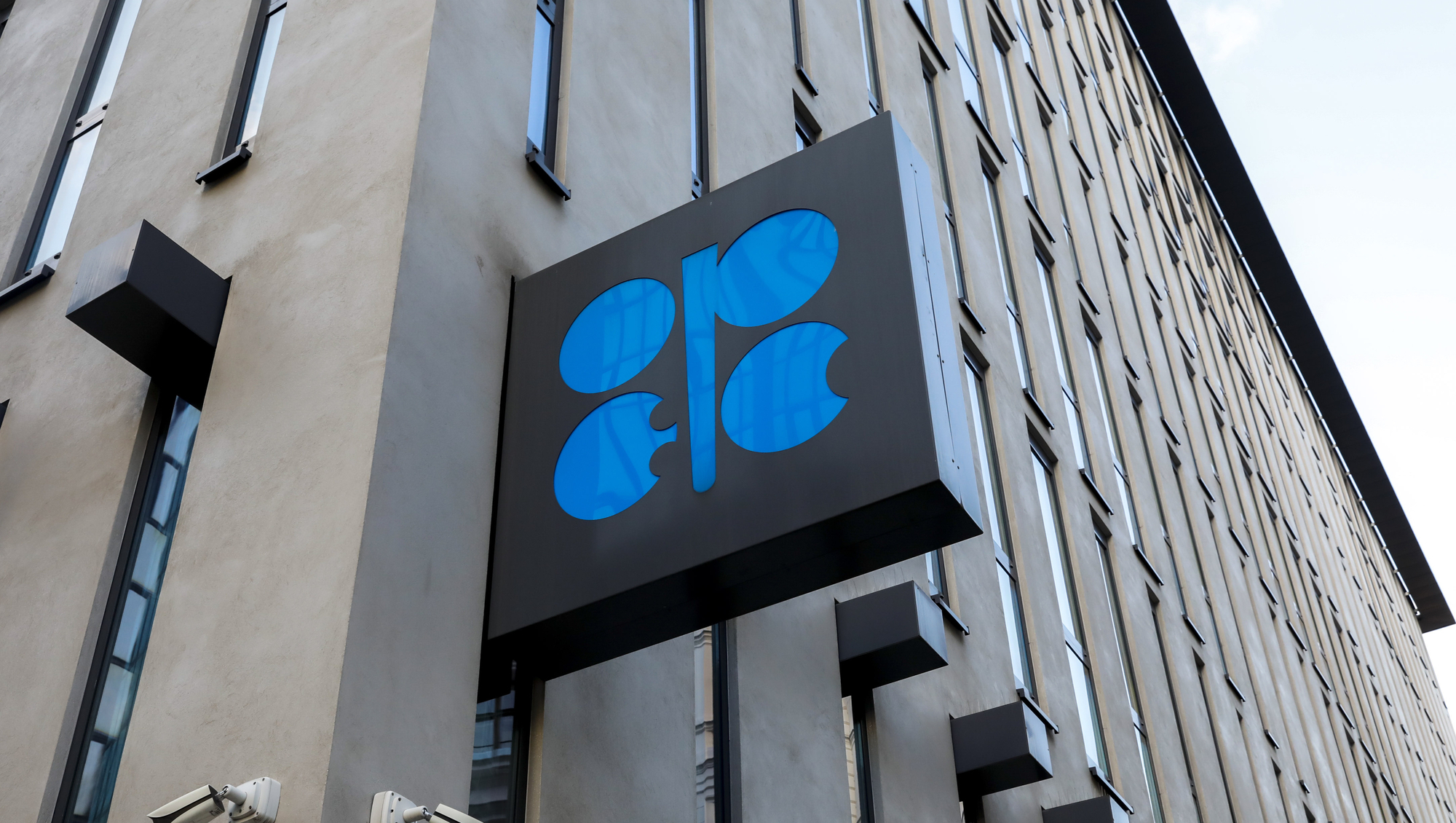
A sub-group of seven countries led by Saudi Arabia and Russia will keep targets steady in November, the coalition said following a monthly video conference on Sunday.
Opec (the Organization of the Petroleum Exporting Countries) and allied nations agreed to keep oil production quotas unchanged next month, as conflict in the Middle East continues to shutter swathes of the group’s output.
A sub-group of seven countries led by Saudi Arabia and Russia will keep targets steady in November, the coalition said in a statement following a monthly video conference on Sunday. It’s in line with their existing production roadmap.
The plans come as oil futures creep back up to the $100-a-barrel (€88.80) mark and diesel hits records at the pumps amid ongoing conflict in the Middle East, spurring the Group of Seven nations to release emergency stocks.
Opec and its allies (Opec+) had already signaled that they would pause production quota hikes through the end of this year, after agreeing a series of modest increases in the six months through August.
Those increases, largely symbolic because of the impact the Iran war has had on Persian Gulf output, theoretically unwound cutbacks made in 2023 and may give the group’s Gulf members greater scope to boost output when the conflict abates.
Read More
The Iran war has blunted the impact of any decisions the group has made because production in leading Opec members such as Saudi Arabia, Iraq and Kuwait remains significantly below levels pumped before the conflict.
The seven-nation sub-group will convene online again on November 1, according to Sunday’s statement. It will likely finalize plans for December at that gathering.
Another Opec+ body, the Joint Ministerial Monitoring Committee, also met online on Sunday and reiterated its “concern regarding attacks on energy infrastructure” and their impact on market stability.
The alliance’s next major decision will be whether to restore another layer of halted output taken offline in 2022, a complicated process likely to be shaped by the outcome of an ongoing audit of members’ production capacity.
Policy for next year will be settled at a full ministerial meeting on Nov. 29. The JMMC will hold its next session the same day.
This comes as Iran reiterated that the Strait of Hormuz will remain shut until its seven conditions are met which were set out in the June interim agreement with the US, state media reported Iran's parliament speaker Mohammad Baqer Qalibaf as saying on Sunday.
- Bloomberg
CONNECT WITH US TODAY



Be the first to know the latest news and updates