Explainer: What is Opec, and what happens now that UAE has left
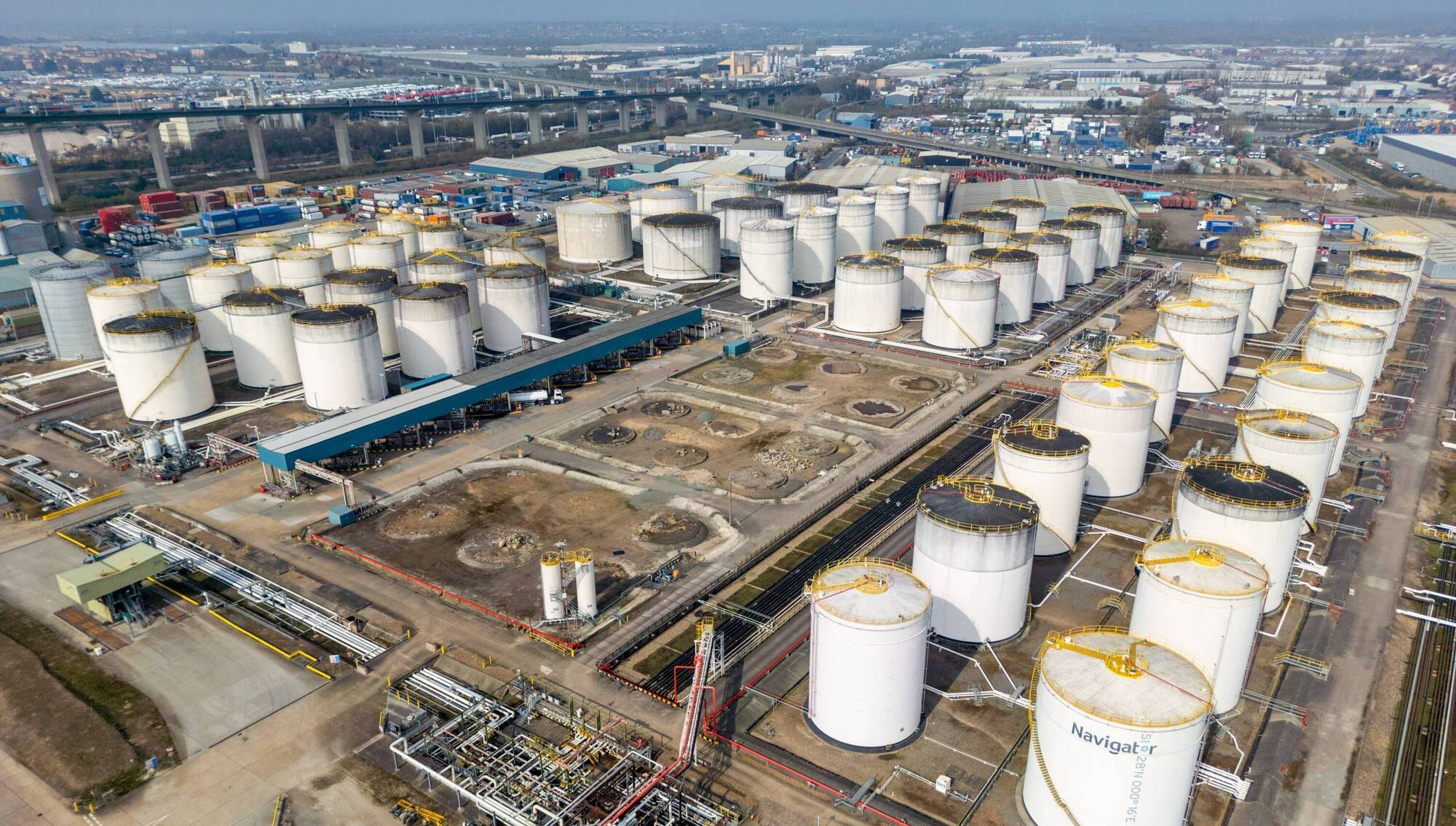
Given Opec operates as an effective cartel, many criticise the organisation for holding too much power and not allowing the elements of the free market to operate and for each country to sell and produce what they wish.
The United Arab Emirates will leave Opec next month, in a significant blow to the group that raises questions about its future at a time when the industry is grappling with the massive supply disruption caused by the war in Iran.
Opec stands for the Organisation of the Petroleum Exporting Countries.
Founded in 1960 in Iraq, its current headquarters are located in Vienna, Austria. By regulating the supply of crude oil, the organisation actively influences global fuel prices and energy economics.
Its founding members were Iran, Iraq, Kuwait, Saudi Arabia, Venezuela, the UAE, and have since been joined by Algeria, the Republic of the Congo, Equatorial Guinea, Gabon, Libya and Nigeria.
Given its vast oil production capacity, Saudi Arabia is viewed as Opec's de facto leader.
By acting in unison, Opec members control the release of oil onto global markets. By acting together rather than competing with each other, they are able to control the price of oil and maintain a direct lever over the global economy.
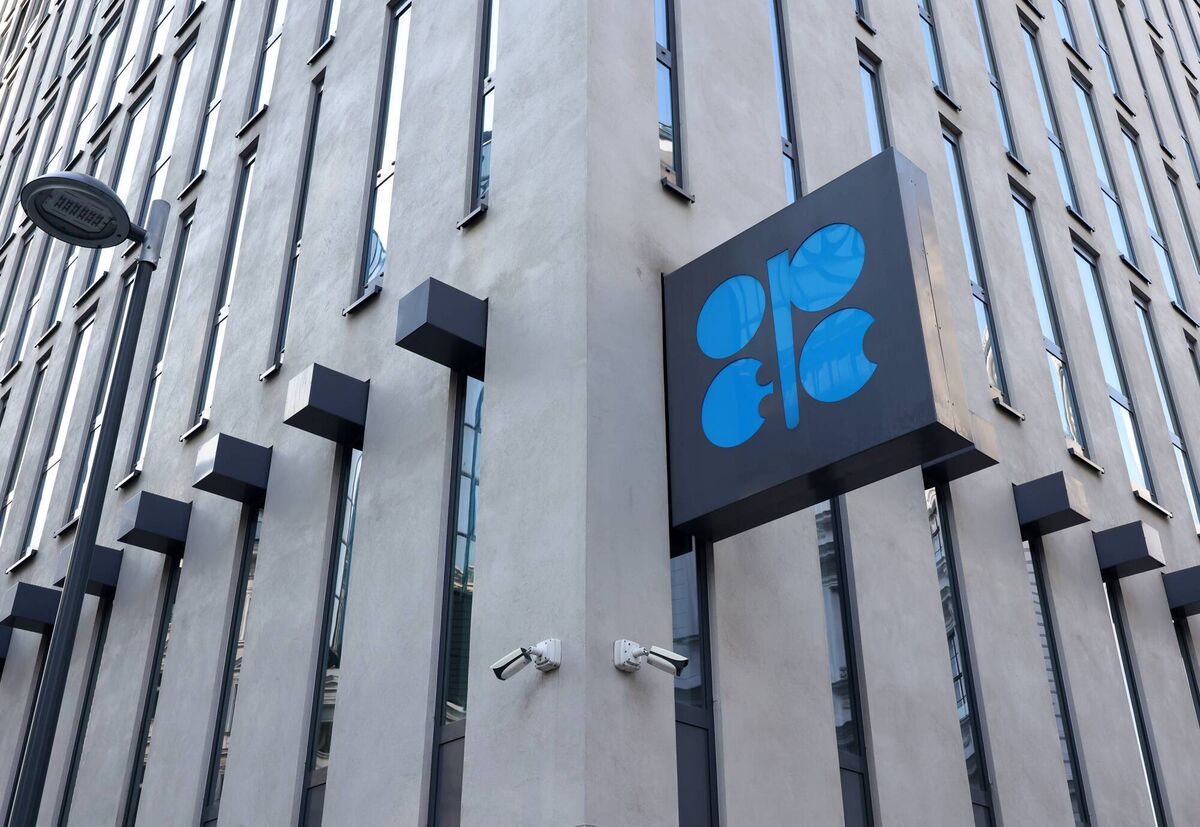
Given Opec operates as an effective cartel, many criticise the organisation for holding too much power and not allowing the elements of the free market to operate, and for each country to sell and produce what they wish. It also operated to ensure oil prices remain high. It is for this reason the USA is not a member.
The UAE’s exit on May 1 after six decades of membership is the culmination of years of tension with Opec leader Saudi Arabia, both over oil output policy and competition for regional political influence. It’s also the latest indication of how the conflict is reshaping global energy markets: While the UAE has talked in the past about quitting Opec, energy minister Suhail Al Mazrouei said in an interview the disruption caused by the war created an opportune time for the move.
Opec will continue and will remain very powerful. It is too early to see what impact it will have on oil prices. Countries like Angola and Qatar have left in the past, so the UAE's decision is not unprecedented. With the UAE free to produce oil as they wish, there is expectation prices may fall, but the conflict in the Middle East continues so the prices are likely to remain volatile.


CONNECT WITH US TODAY



Be the first to know the latest news and updates