Farm View: Trump’s fuel dilemma threatens Europe’s diesel supply
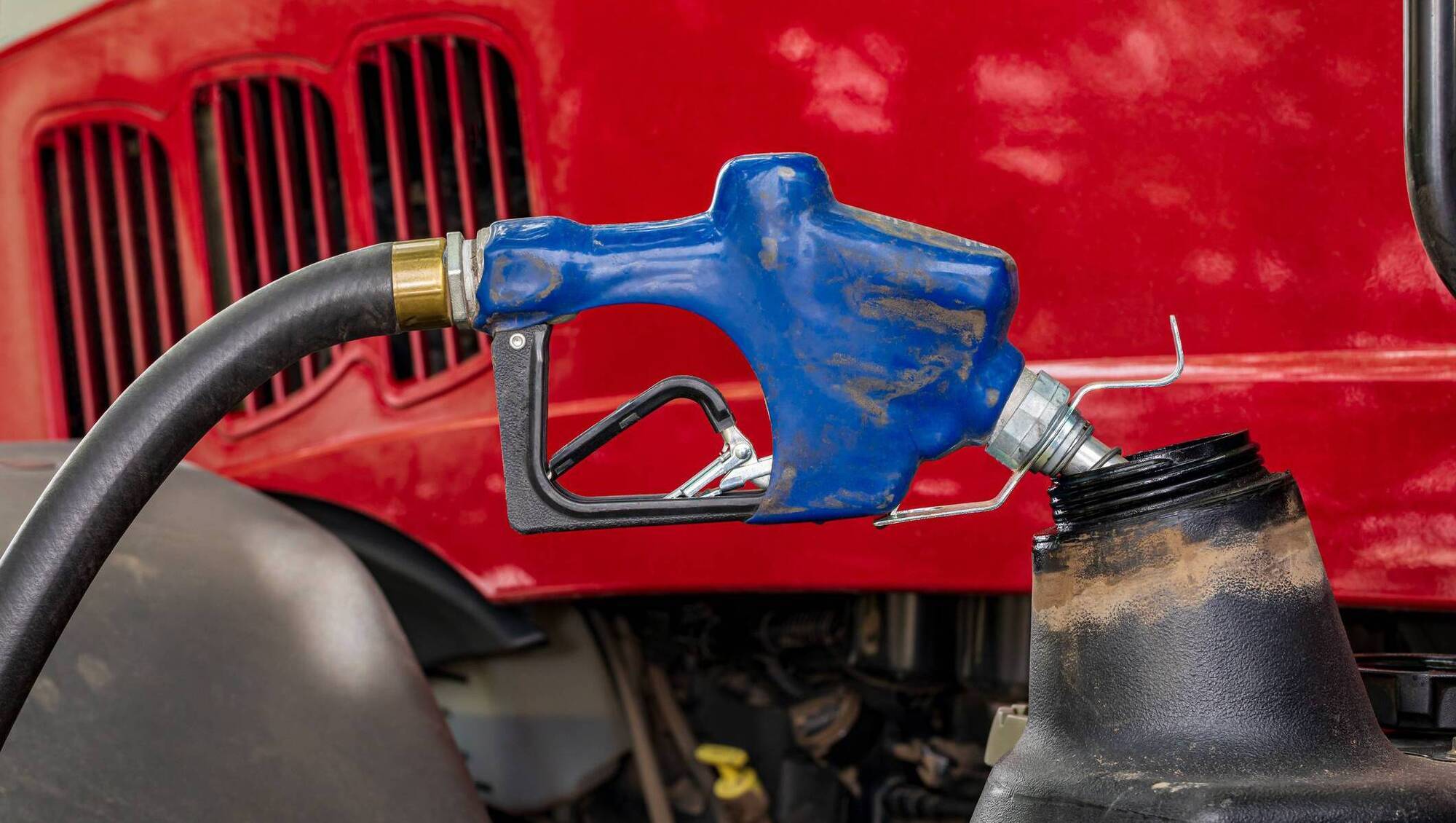
Pressure to release European diesel reserves is mounting as the US weighs export restrictions and limited refining capacity keeps prices high.
European farmers may have to suffer through a diesel shortage to improve Donald Trump’s chances in the midterm elections on November 3.
Diesel prices are already at record high levels in Europe, but they could jump further if the United States restricts its diesel exports.
The EU depends on imports for about 57% of the diesel it consumes, and the United States is its biggest source, with an estimated 10% of all the diesel used in the EU coming from America.
But the US also now has record fuel prices, and Trump has said he may restrict US diesel exports.
This move would be designed to reduce diesel prices in the US, to win his Republican Party valuable votes in the midterm elections.
It’s a geopolitical situation that threatens European farmers, at the expense of their American counterparts.
Farmers have been loyal voters for Trump and the Republican Party for years.
But Trump’s policies since he was elected two years ago have caused severe financial problems for American farmers.
The tariffs he introduced increased the cost of fertiliser, pesticides and farm equipment, and caused market instability.
The war in Iran increased the cost of diesel by nearly 80%.
Interest rates are rising too.
Read More
These trends have brought hard times for farmers in strong agricultural states such as Iowa, Kansas, Nebraska, and Missouri. As it stands, they are unlikely to vote for the Republicans in large numbers in November. That could cost the party seats in the House of Representatives and Senate, and leave Trump as a lame-duck president for the rest of his term.
That’s why treasury secretary Scott Bessent has confirmed White House officials are examining options ranging from partial restrictions to a full export prohibition.
The Trump administration could limit exports for 90 days, covering both the midterms and the start of winter. Europe would lose a significant share of its diesel supply at short notice. Its diesel users such as industry, transport, and farmers would go from high prices to fuel shortages.
Or Trump could simply lean on diesel refiners to favour the US market until the midterms. US exports to Europe would dip; EU prices would rise.
Europe may have to go on the offensive, using fuel as a bargaining chip in its Turnberry trade deal with the US, and pointing to a G7 meeting commitment among allies not to restrict fuel exports to each other.
But the US is already on the offensive, telling Germany and France to release emergency diesel inventories to help to ease global fuel prices, or face a potential US diesel export ban.
Europe reportedly holds the world’s largest combined commercial and government diesel reserves, of more than 350 million barrels.
The German Ministry for Economic Affairs and Energy responded it was unlikely to release diesel reserves “short of physical scarcity”.
Meanwhile, sky-high diesel prices remain, despite Middle East crude oil flows returning to pre-war levels.
It is becoming clear the lack of refining capacity will keep diesel prices high, even if crude oil flows recover.
Global refinery throughput was estimated at 81 million barrels per day in July, nearly 6% below year-earlier levels.
In the 1980s, when crude oil cost about $15 a barrel, Europe allowed oil refineries to close, and outsourced the supply of diesel and gasoline.
In 2023, the EU banned Russian diesel, including diesel refined from Russian crude in countries such as India. Then the Iran war reduced Middle Eastern diesel exports by about half between March and August.
In July, Russia restricted its diesel exports, after Ukrainian drone strikes on its refineries. India, the only other large exporter, has nearly halved shipments.
The US became the supplier of 10% of the diesel used in the EU.
Even more dependent on the US is the UK, for an estimated one-sixth of its diesel supply.
The US is now likely to force the EU and UK to break into their diesel reserves.
That is a better political option than forcing its own oil barons to reduce their lucrative exports and huge profits.
There is also a danger that preventing American refiners from exporting surplus diesel could fill up their storage, forcing them to reduce crude oil processing, and putting more upward pressure on fuel prices.