Inspect a gadget – which high-tech household additions are worth the spend and which aren’t?

Brigid Browne: "Installing a central vacuum system makes most sense during a new build or major renovation when pipework can be easily incorporatd."
But there’s one thing I want to nip in the bud before we get really serious about it and that’s his love of new gadgets or whatever is trending online. The latest one he’s talking about is rain chains instead of gutters — he says they could be really practical as they won’t clog with leaves like regular downpipes. Are they a workable option or more of an additional decorative feature? If they are why don’t I see more people using them? Personally, I suspect they could be worse than useless.
Other gadgets he wants us to consider include electric blinds, retractable worktop sockets, a central vac system, venting hob extractors, and a Quooker tap. Can you advise which ones are worth the expense and which aren’t?
Then I saw him looking at car turntables recently. Do people even use them here? Surely, they can’t be worth the spend? Any advice would be much appreciated.
Thanks, Ciara
Rain chains are designed to guide water from the roof to the ground in place of a traditional downpipe. These can simply be a length of chain links that drop from the gutter and extend to a gulley or water butt.
They can also include ornaments (eg stylised cups, flowerpots, butterflies, watering cans etc) along their length. They are clipped or hung from the downpipe opening in the gutter. They can be visually attractive, creating a water feature effect during rainfall.
Read More
The claim that they will not clog with leaves has some truth to it in that they are open rather than enclosed and unlikely to become blocked in the way a downpipe can. But this does not automatically make them a better drainage solution. We have rain all year around and get very little heat to offset the impacts of rain chains.
They are designed to guide rain downward, but wind and rain pressure causes splash and can throw water onto the building as opposed to off the building, causing severe wetting. Cavity construction can withstand a lot of the side effects but stone, mass concrete, and even where you have full fill cavity insulation in exposed or coastal areas, impact by water may degrade your building and impact the thermal envelope.
Traditional gutters and closed downpipes are simply more effective at reliably moving large volumes of water away from a building. So, your instinct is correct. They’re better viewed as an architectural feature than as an upgrade over conventional downpipes.
Electric blinds are extremely handy and if the budget allows, they are one of the more practical luxuries on your list. Motorised blinds can cost several times more than manual versions but, unlike many gadgets, they tend to be used every day. I used to spec them for out-of-reach windows like rooflights, but they have become very common for wall windows. They are costly and like every system, they require maintenance.
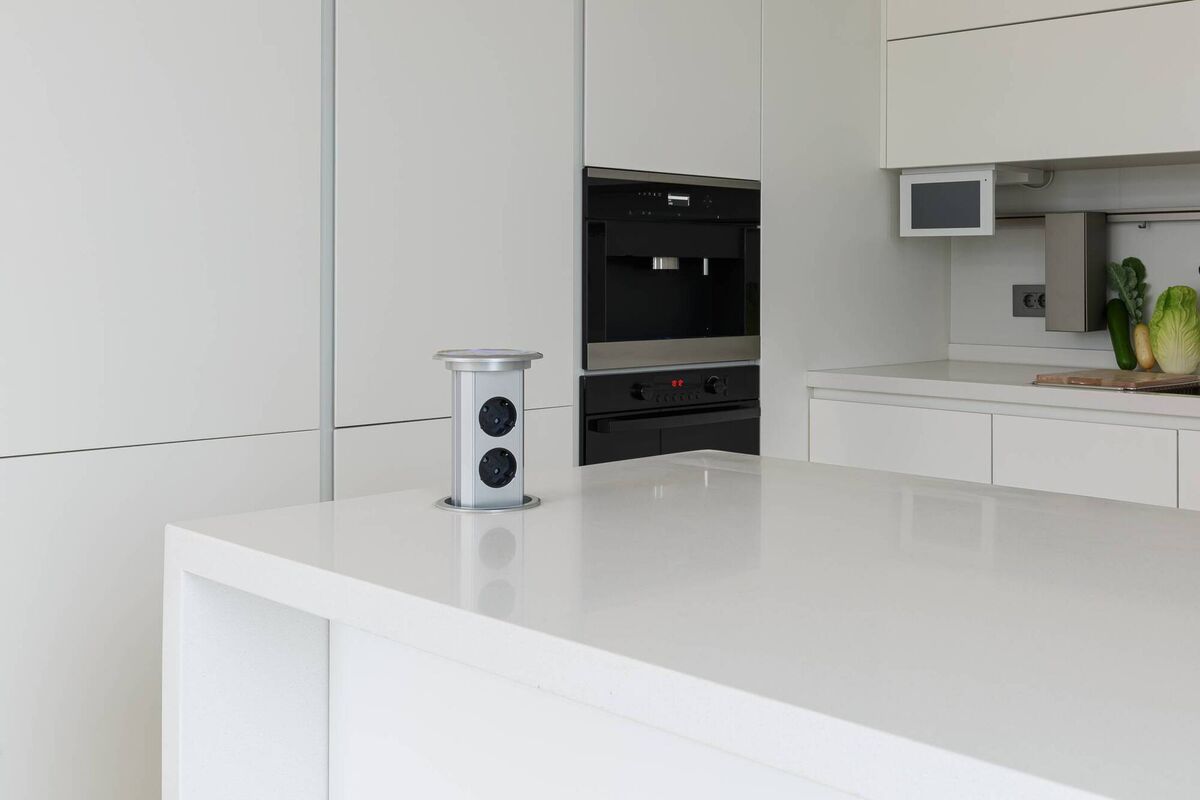
Retractable worktop sockets may be useful, but are certainly not essential. These pop-up sockets disappear into the worktop when not in use and rise when needed. They are flush with your worktop (eg kitchen island) and a simple push pressure causes them to rise like a mini tower.
They certainly look sleek and can be helpful on kitchen islands where wall sockets are unavailable. When they are in the down position the entire counter is flat. But they are more expensive and mechanically more complex than standard sockets.
My view is that they are worth considering only if you have a large island and genuinely need power in that location. Otherwise, they are often a nice idea that sees limited use after the novelty wears off.
Central vacuum systems are ingenious as far as I’m concerned. When building my own home I was tempted but we were maxed out in money terms and couldn’t afford the installation. I was also worried about whether we’d be able to get a replacement hose that would fit the aperture 10 years from installation.
Coincidentally I was in a house during the week that had one installed 20 years ago and a new hose was fitted recently, so that was my answer.
The catch is installation cost. They make most sense during a new build or major renovation when pipework can be easily incorporated. Retrofitting one when the house is not long finished means serious disruption and can be expensive.
Venting hob extractors combine the hob and extractor fan into a single unit, pulling steam and cooking odours downward rather than relying on an overhead hood. It’s quite a bulky bit of kit and you would be well advised to inform your kitchen designer from the outset to plan cleverly for this if proceeding with one. They are significantly more expensive than conventional extractors and require careful installation but if clear lines are your must-have, this might be considered.
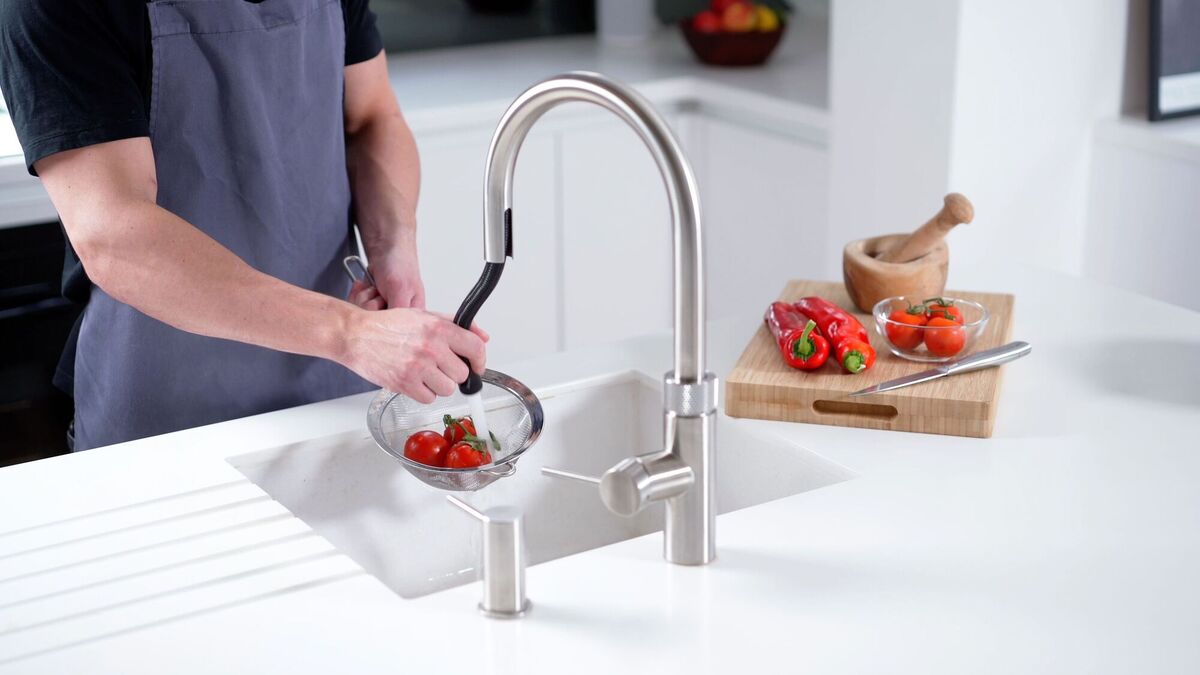
Quooker taps are expensive but genuinely useful. Once you have instant boiling water it’s hard to go back. Installation will have to be factored in and should be costed thoroughly before a decision is made. My opinion is that this is the most practical item on the list.
This is probably the easiest one to reject. You’d need the tightest trickiest parking area in the world — plus a lotto win — to justify it. I don’t believe it’ll ever pay for itself.
Best of luck Ciara...
- Brigid Browne is a chartered building surveyor and Chair of the Southern Region of the Society of Chartered Surveyors Ireland. She is the MD of Cashel-based Fortress Planning. fortressplanning.ie


CONNECT WITH US TODAY



Be the first to know the latest news and updates