Garden Q&A: What is the best irrigation system for my polytunnel
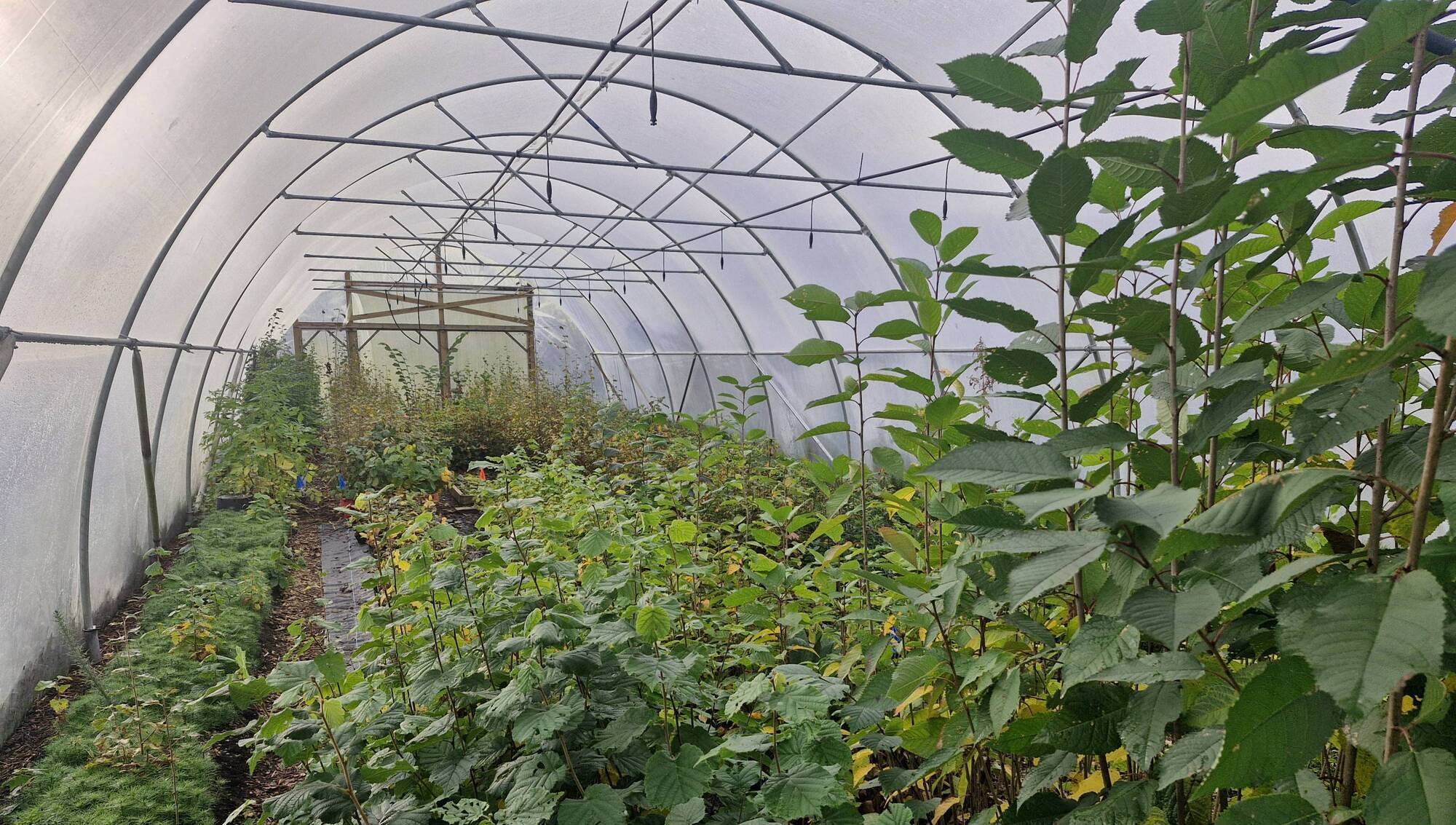
A drip irrigation system in a polytunnel has a number of advantages over sprinkler systems.
My sincere sympathies. I can’t think of a chore I dislike more than watering a polytunnel in the middle of a broiling summer heatwave. It’s tedious, time-consuming and uncomfortable to boot, plus you never really feel that you’ve fully succeeded in giving plants the kind of proper drenching to their roots that’s required.
My advice would be to invest in a drip irrigation system, which uses a series of interlocking perforated water pipes laid in a grid formation across the ground and which are connected to a water supply. This has a number of advantages over sprinkler systems. The most significant is that it waters the ground rather than the plants, ensuring- importantly- that their root systems receive sufficient water rather than simply drenching their leaves.
Another is that it maximises plant health by minimising the risk of fungal and bacterial plant diseases such as blight and powdery mildew caused by high humidity as a result of overhead irrigation overly wetting foliage, flowers and fruit.
Drip irrigation also helps to minimise water wastage as well as the run-off of valuable plant nutrients that can sometimes be a problem with overhead watering systems. Another bonus is that it can be paired with smart features such as timers, moisture sensors, and zoning controllers that allow you to fine-tune the amount of water required based on the requirements of the particular crop.
Unlike sprinklers, you can also use it in cases where you’re relying on a low-gravity water feed rather than a pressurised feed, meaning it can be hooked up to a rainwater harvesting system. Just make sure that the water tank is suitably elevated, ideally 1.5 metres above ground level to guarantee sufficient pressure, install a filter to prevent any debris such as rotting leaves clogging up the pipes, and get advice from your supplier on using the correct type of drippers.
On the downside, it’s not the cheapest system, can be complicated and time-consuming to install correctly, and works best on level ground and on neat lines or rows of crops. On uneven ground, the watering can be patchy and uneven. The pipes can also sometimes get clogged by debris, and it’s also not the most aesthetically pleasing of watering systems to look at. But all these considered, it would be my first choice over other options and is the irrigation system most commonly used by professional growers.
Recommended Irish suppliers of drip irrigation systems include Quickcrop (quickcrop.ie) and Fruithill Farm (fruithilfarm.com), both of which will also provide valuable advice on site-specific design and installation. Both also supply high-quality drip irrigation systems that are resistant to frost damage. Finally, irrigation systems aside, bear in mind that you can also help the soil in your polytunnel to retain moisture and be more drought-resilient by adding organic matter in the form of homemade compost, well-rotted manure, seaweed, grass clippings, or commercial mulches.
- Got a gardening question? Email gardenquestions@examiner.ie
CONNECT WITH US TODAY



Be the first to know the latest news and updates