'I was 12 when I entered the system': 30 years since closure of the last Magdalene laundry
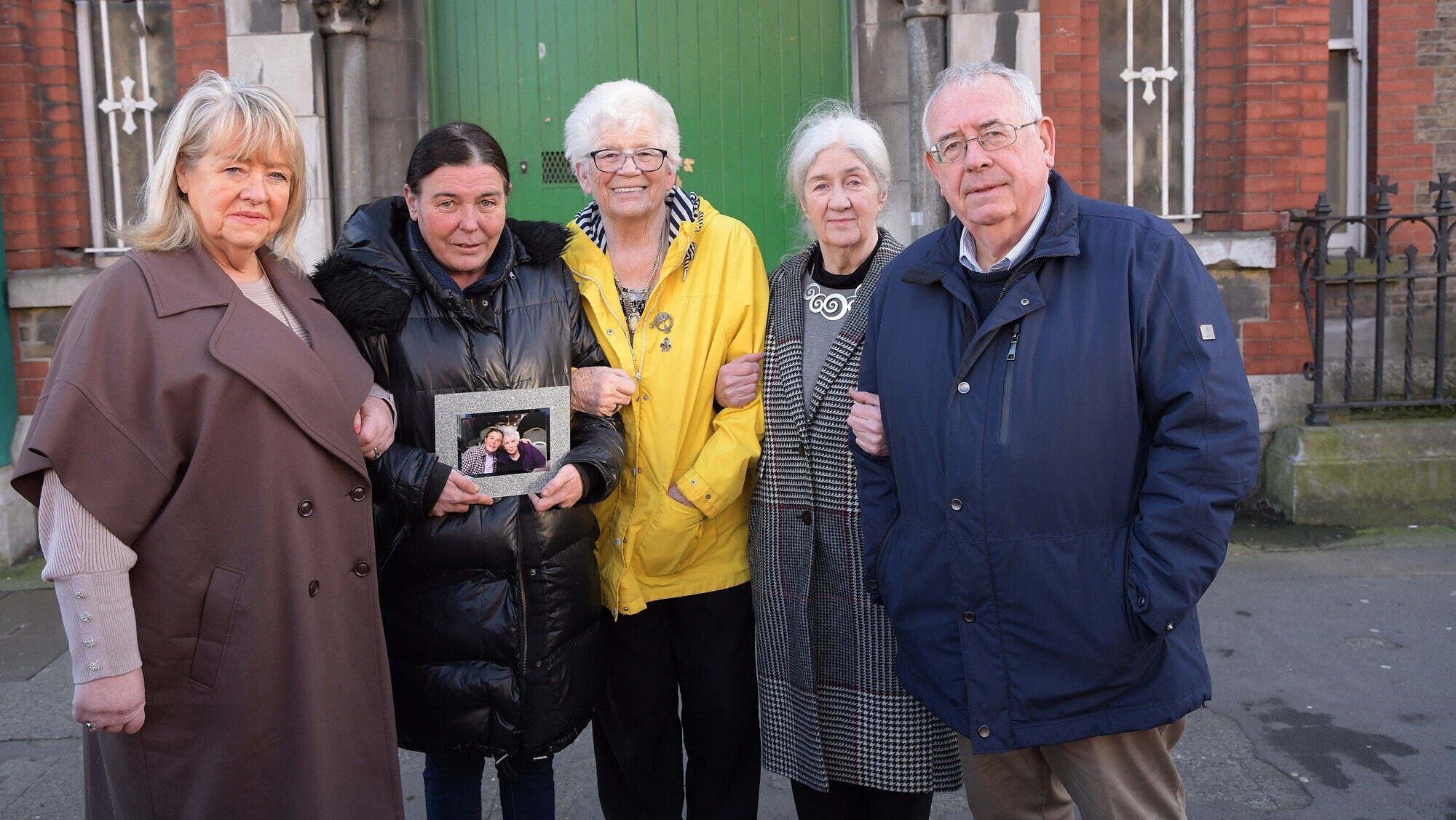
Maureen Sullivan, the late Margaret McKinney, Dianne Croghan, Patricia Twomey, and Joe Costello outside the Seán McDermott Street former Magdalene Laundry, which is to become a national memorial and research centre. Picture: Moya Nolan
Sunday marked three decades since the closure of Dublin's Sean MacDermott Street laundry on October 25, 1996, one of the many religious-run institutions in Ireland and the last to shut its doors.
"It is hard to believe that it is only 30 years since Ireland’s last Magdalene laundry closed," said Maureen Sullivan, one of the youngest women to have endured the institutions where generations of women were confined and forced to work.
Maureen was just 12 when she entered the system. Decades later, the memories of the women she encountered, their faces marked by years of hardship, remain with her.
“I will always remember them; some had no teeth, others had grey hair, and chopped hair, and the sadness and pain on their faces,” she said.
She spent five years moving between institutions, including a laundry in Athy, Co Kildare, and another in New Ross, Co Wexford.
The conditions were brutal; they included girls and women working for hours handling heavy, boiling hot sheets, with little regard for their safety or comfort.
At one point, she was tasked with feeding sheets into a large industrial calendar, a machine used to press and smooth linen. Two girls were expected to take the sheets as they came through and fold them.
Read More
One of the youngest girls in there, Maureen was so small that she had to stand on an orange box to reach the machine.
“I was only 12," she said. "They measured me up, and I had to stand on an orange box that was made into a step. They didn’t care, as long as the sheets went through.”
She remembers burning her arm on the machinery, and an older woman gave her a wet, cold facecloth to ease the pain.
“You couldn’t ask for anything," she explained. "It was wicked for hours and hours, and they did not care if you stood there, and you definitely could not ask for pain relief or something for the burns."
At night, the girls slept in a large dormitory, where they were constantly watched.
Sexual abuse by her stepfather had already marked Maureen's childhood. When the abuse came to light — a nun noticed something was wrong with her and encouraged her to speak about it — a priest was called.
She recalls being told she could not be sent to St Aidan’s Industrial School because she might "corrupt the minds of the other children".
Instead, she was sent into a system in which, she said, she experienced years of forced labour and control.
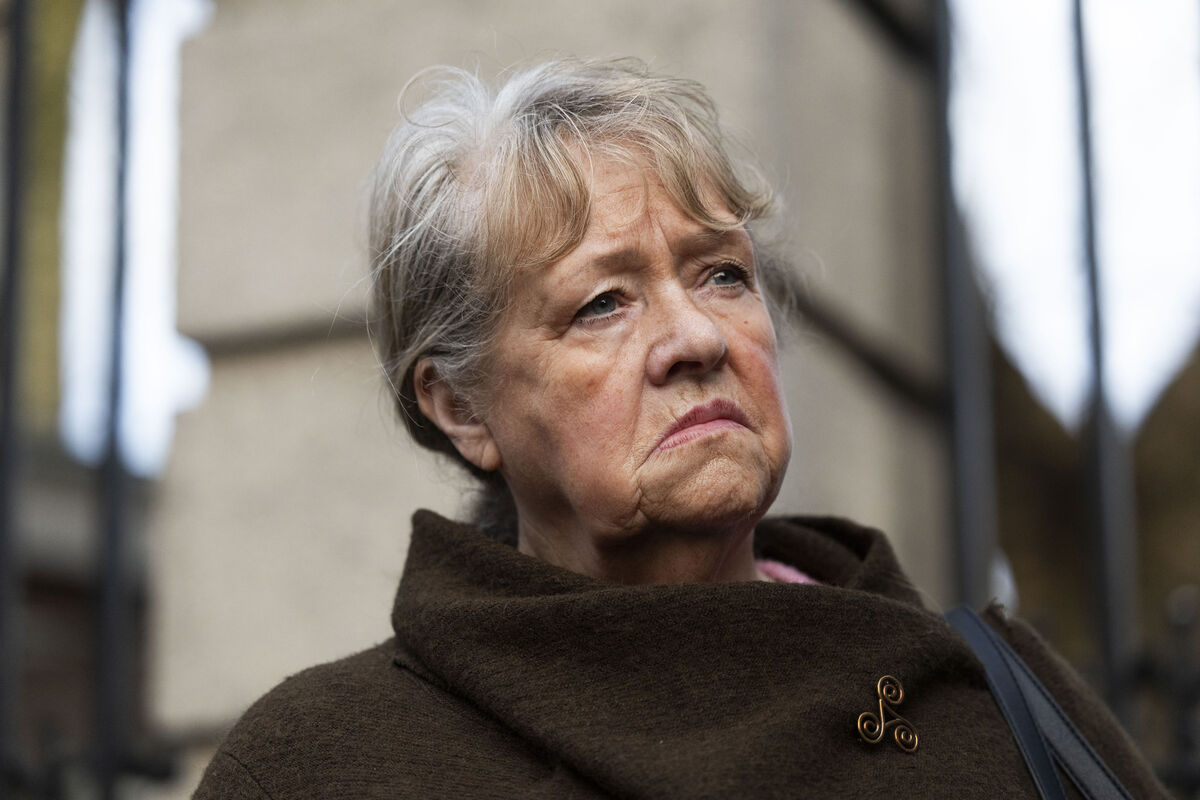
The anniversary is a reminder that the women who passed through the laundries must not be forgotten.
There are no official figures for the number of women who went through these institutions, but it is estimated that around 10,000 were affected.
They included women who were pretty, or had been raped or sexually assaulted, those considered to be promiscuous, or had been caught stealing, as well as women who had been in mother and baby homes.
While the homes are all closed, there are plans for a memorial centre at Seán McDermott Street, where the experiences and records of survivors could be preserved for future generations.
“I am delighted that Sean McDermott Street is being opened up properly, so we can remember all the women who went before us — and who had it 10 times worse than we did.”
She believes Ireland must confront this history as other countries have confronted their own darkest chapters.
She says the experiences of the women should be displayed and documented so that future generations can understand what happened.
Last year, she joined others at a vigil at the former laundry, where she was joined by Diane Croghan, who was eight when she was put into a home after her foster placement failed.

CONNECT WITH US TODAY



Be the first to know the latest news and updates