Garden Q&A: Do the mushrooms growing in our garden pose a health risk?
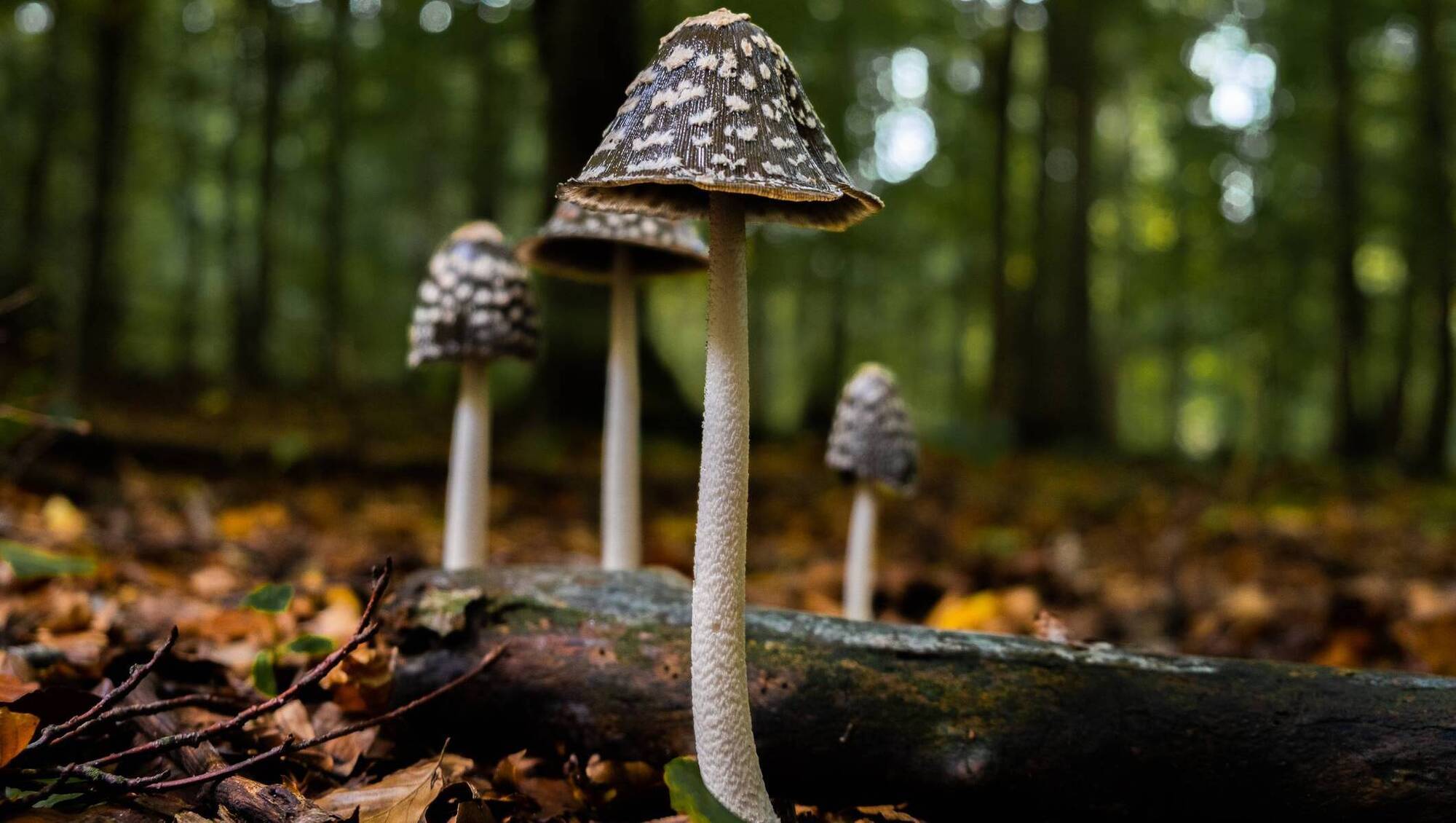
While it’s not unusual to see wild mushrooms popping up overnight in gardens at this time of year, the recent warm, damp weather has provided ideal conditions for their growth. Dile picture
You’re right to be cautious about your young children playing very close to any kind of wild fungi, as there’s always a risk of them unknowingly putting them in their mouths, potentially resulting in serious illness or worse. Some fungal species contain poisonous chemicals that can also be accidentally transferred by touch to the mouth, while the spores of others can also act as irritants to the lungs.
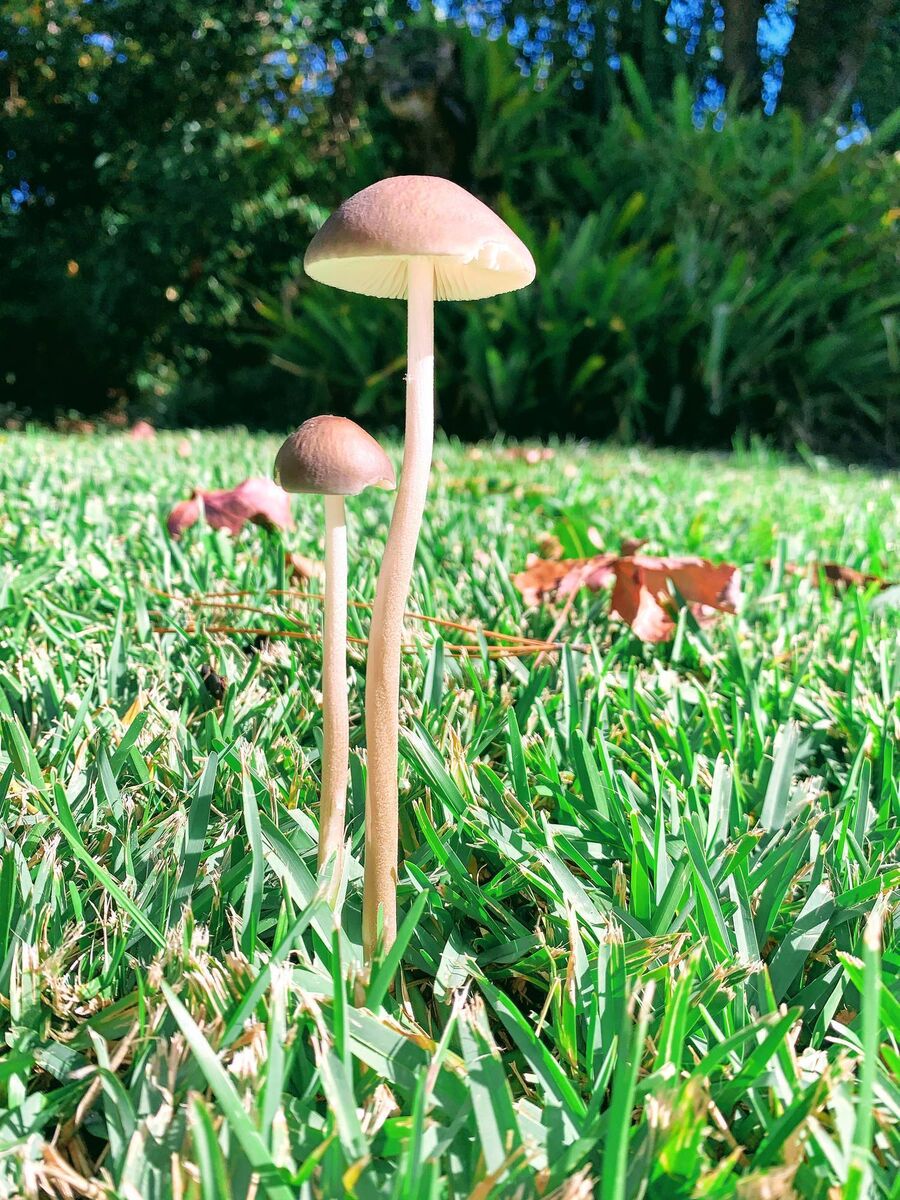
While it’s not unusual to see wild mushrooms popping up overnight in gardens at this time of year, the recent warm, damp weather has provided ideal conditions for their growth.
From what you’ve described, it sounds as if those appearing on your lawn are feeding on the decaying remains of the tree you cut down. So as its stump and underground root system rots away over the next few years, the number of mushrooms appearing each autumn is likely to also decline.
Unless, that is, you’re unlucky enough to have honey fungus (Armillaria) in your garden, a destructive fungal disease for which there’s no cure. Its honey-coloured mushrooms or fruiting bodies typically appear in dense clusters near the base of affected plants in late summer and autumn and are quite easy to identify, with a distinctive ring around the stem (see Rhs.org.uk for a detailed description, as well as the app ShroomID).
The tree you cut down was an old one, so I’m wondering if it was also sickly, in which case this fungus may possibly have been the culprit. Sometimes seen in old, established gardens, honey fungus can leapfrog underground from one plant to another, making it almost impossible to control.
Let’s assume, however, that your garden’s mushrooms are not a symptom of honey fungus, and are instead one or more of the numerous other species of wild mushrooms that Ireland is home to. Even so, there’s not a huge amount that you can do to prevent them appearing.
Scarifying the lawn with a rake to remove any dead thatch and then aerating it by spiking it with the tines of a garden fork may help a little if the ground is inclined to be poorly drained.
Keeping your lawn quite tightly mown will also help. But none of these will remove the underground fungal network or mycelium from producing the mushrooms that you’re seeing, and you’ll need to continue to handpick (wear gloves) and then carefully dispose of any that you find to ensure your lawn is safe for your young children to use. If it’s any small consolation, wild mushrooms can appear on the best-kept lawns and are a sign of soil health and biodiversity.
- Got a gardening question? Email gardenquestions@examiner.ie


CONNECT WITH US TODAY



Be the first to know the latest news and updates