'As a Parisian interior designer, I admire the Irish confidence in using colour and pattern'
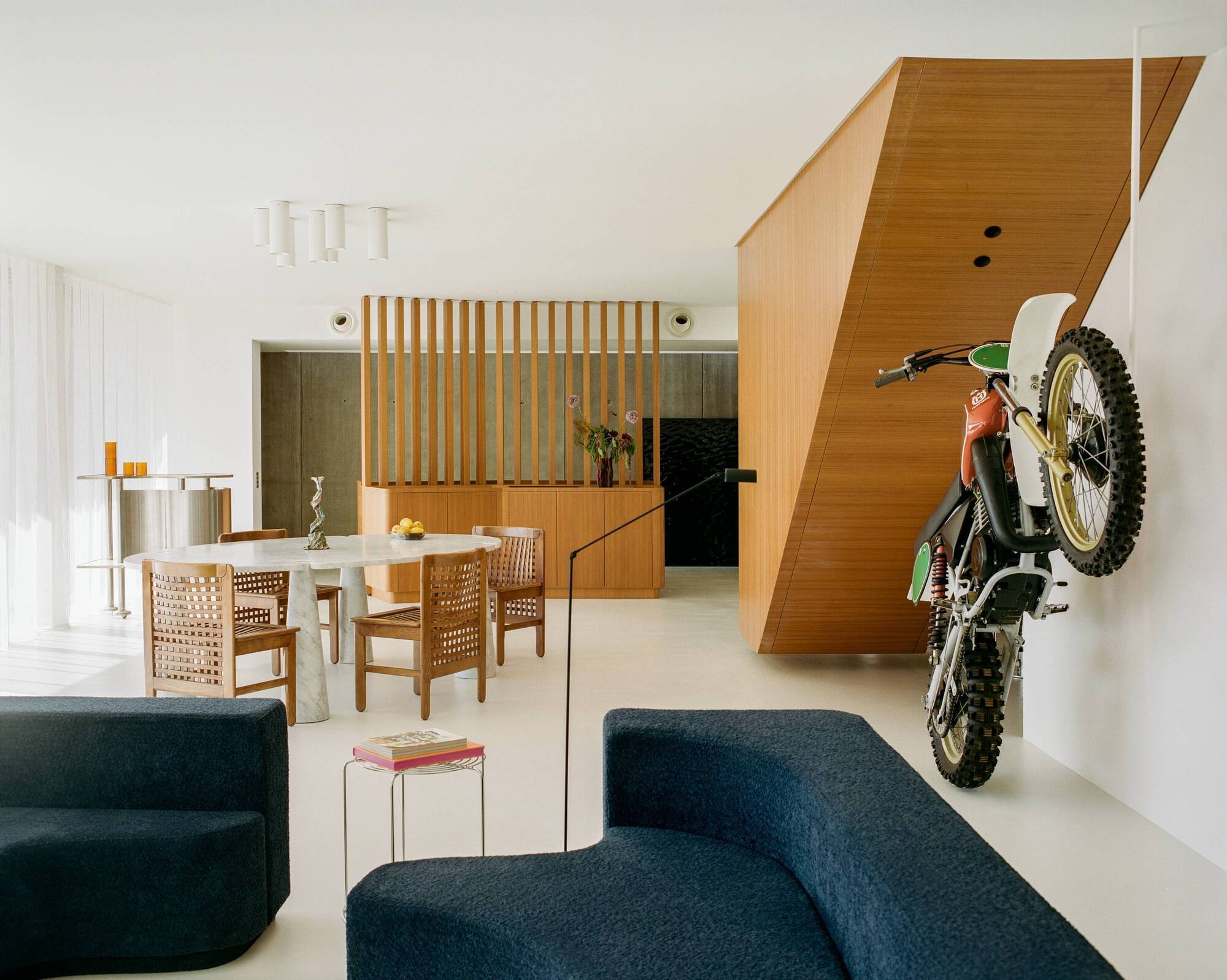
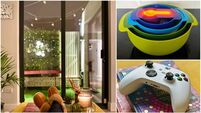
Open-plan living space by Sandrine Sarah Faivre at Villa Alta. Picture: Clément Vayssieres
As the clocks draw us into the darkness this weekend, we're looking to the City of Light for glow-up inspiration.
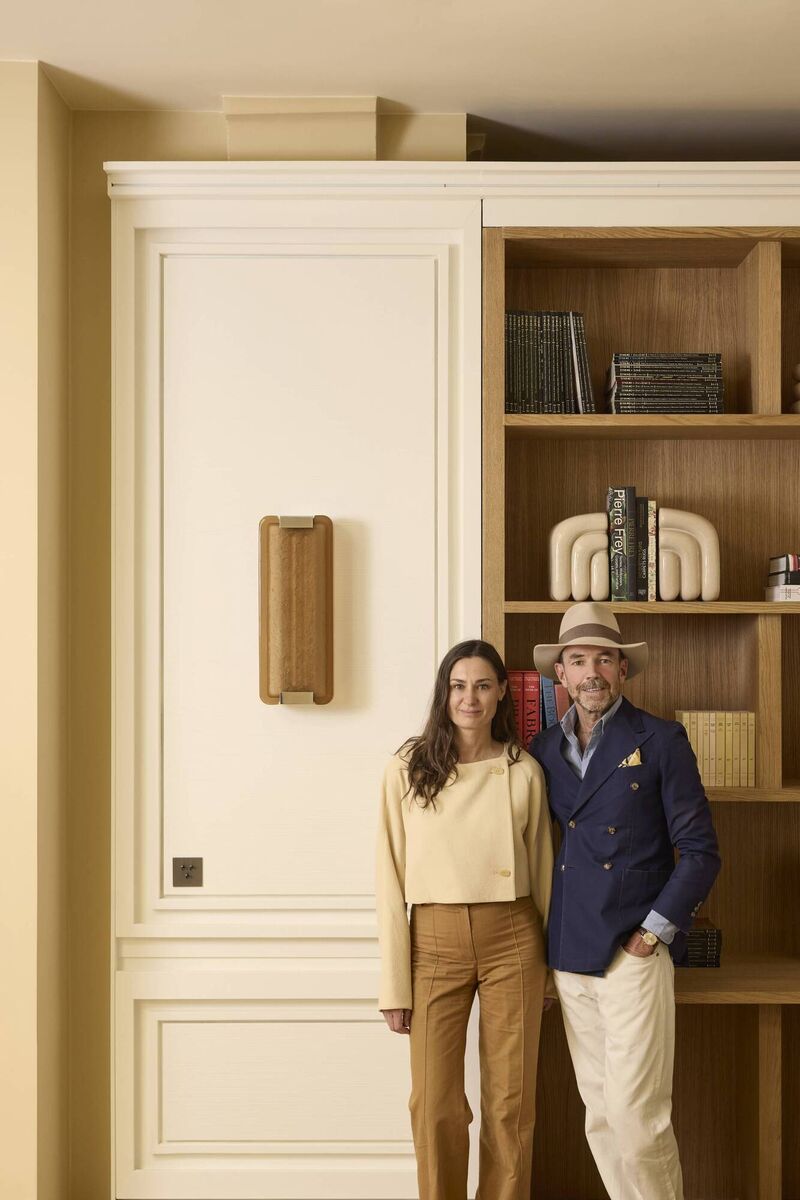
One of the brightest stars to shine at the 2026 Paris Design Week, French interior architect Sandrine Sarah Faivre lives in the 11th arrondissement, where she shares her two-bedroom home with her husband, their eight-year-old son and their Welsh terrier. “We have lived there for the past eight years,” she says.
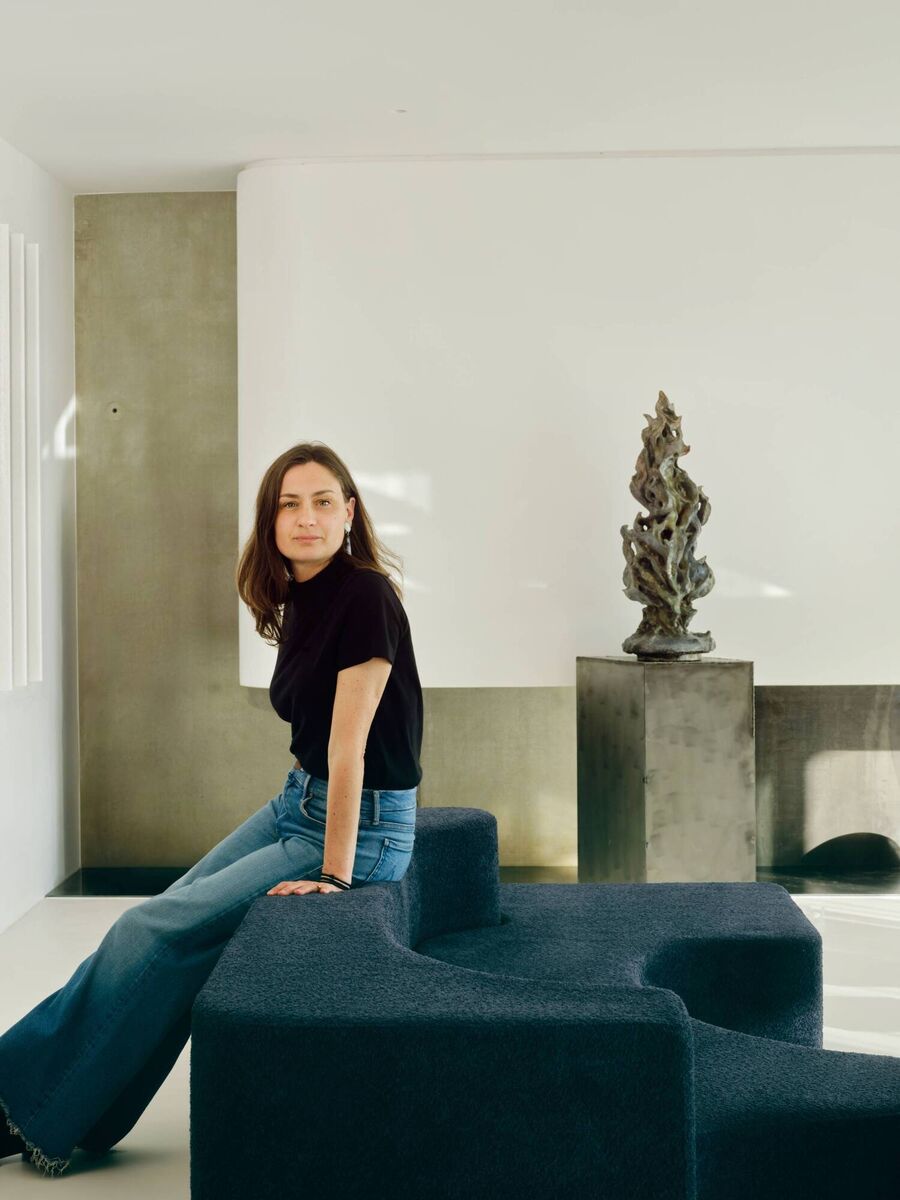
As a look, we're talking more the grand, yet authentic day-to-day splendour of rather than the hyperstylised fantasy interiors of . “It’s a 100-square-metre apartment in a Haussmannian building typical of Paris, with parquet floors, mouldings and all the classical features you would expect,” says Sandrine.
Of course, this also meant Sandrine was the perfect fit to devise the newly opened Showroom Mobilier Pierre Frey, a 500sq m furniture flagship showcase, known as Galerie 14 Mail, part of the iconic Pierre Frey fabric house Maison Pierre Frey.
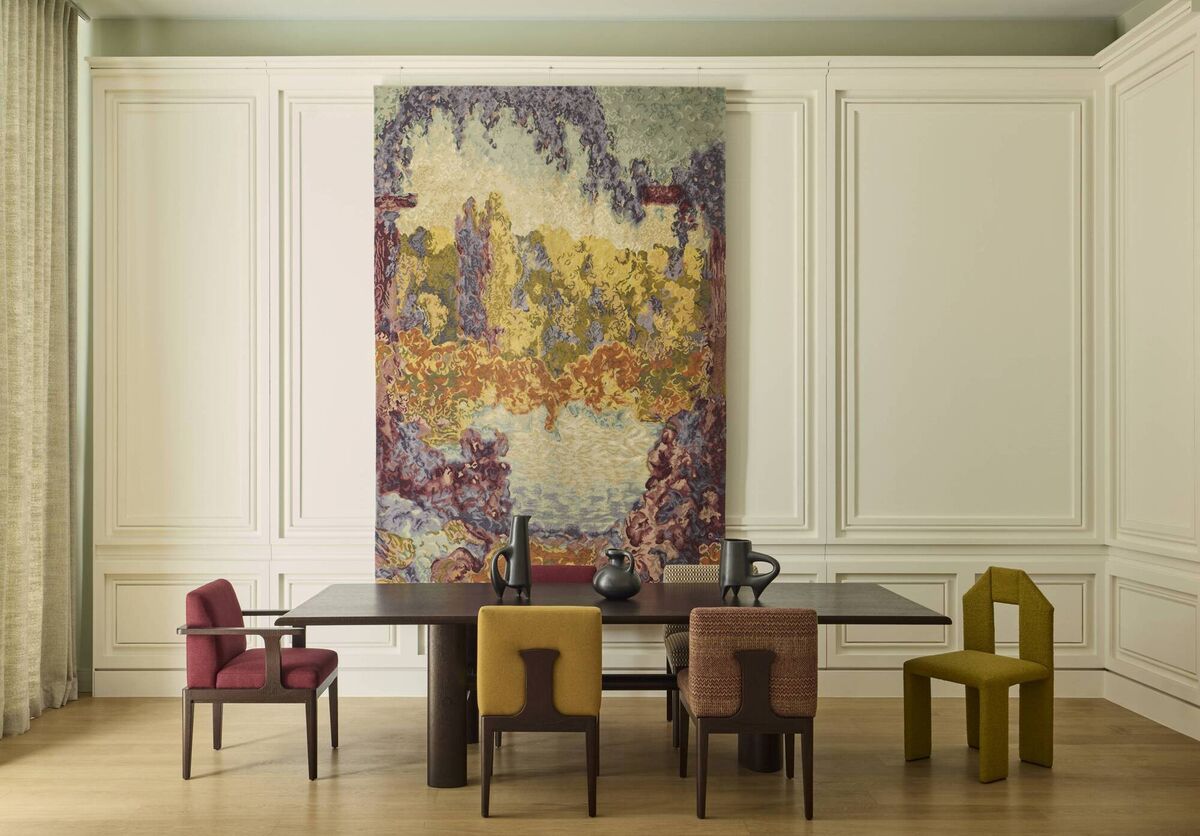
Because Galerie 14 Mail is conceived as a series of salons embodying Parisian elegance, the space has the character of a collector’s apartment. It showcases lighting and works of art on loan from the city’s Triode Gallery.
Has Sandrine carried out any work or modifications to her own dwelling? “We rent, so I did not want to undertake major technical work, but when we moved in I completely reconsidered the way the rooms were used,” she says.
“What had been the living room — a beautiful space with windows radiating around the corner of a square — became our bedroom.
“Elsewhere, I removed a partition to create a south-facing living room with three windows in a row, which is wonderful for entertaining friends.
“We have lots of books, furniture that changes as I discover new pieces, and mainly artworks by friends — paintings, photographs and ceramics.
“Nothing is too fragile or precious because, of the four of us, I am definitely the only really tidy one!”
From Paris to Passage West and Portmagee, are there elements of this type of chic we can easily replicate in our Irish houses and apartments? “I would not try to reproduce ‘Parisian style’ literally,” says Sandrine. “It is much more interesting to understand some of its principles: proportion, architectural structure, and the freedom to allow different periods to coexist.
“A contemporary sofa can live beautifully with an inherited table, an antique chair or contemporary art.
“And perhaps most importantly, resist the temptation to make everything match. The most convincing interiors contain some tension and surprise. A home should reveal something about the people who live there rather than conform perfectly to a style.
“As a Parisian interior designer, I have also always thought that Maison Pierre Frey does something we French often admire in our Irish and Anglo-Saxon neighbours: it has the confidence to bring colour and pattern into interiors.
“That same sense of joy now runs through its furniture collections. The forms can be bold and expressive, but they remain welcoming, with comfort and ergonomics always at the forefront. So perhaps there is already a dialogue between the two traditions rather than a lesson travelling only from Paris to Ireland!”
Now, for the number-crunching: Are there cost-effective ways we can recreate such luxe looks? “Absolutely. Character has very little to do with budget,” says the interior designer.
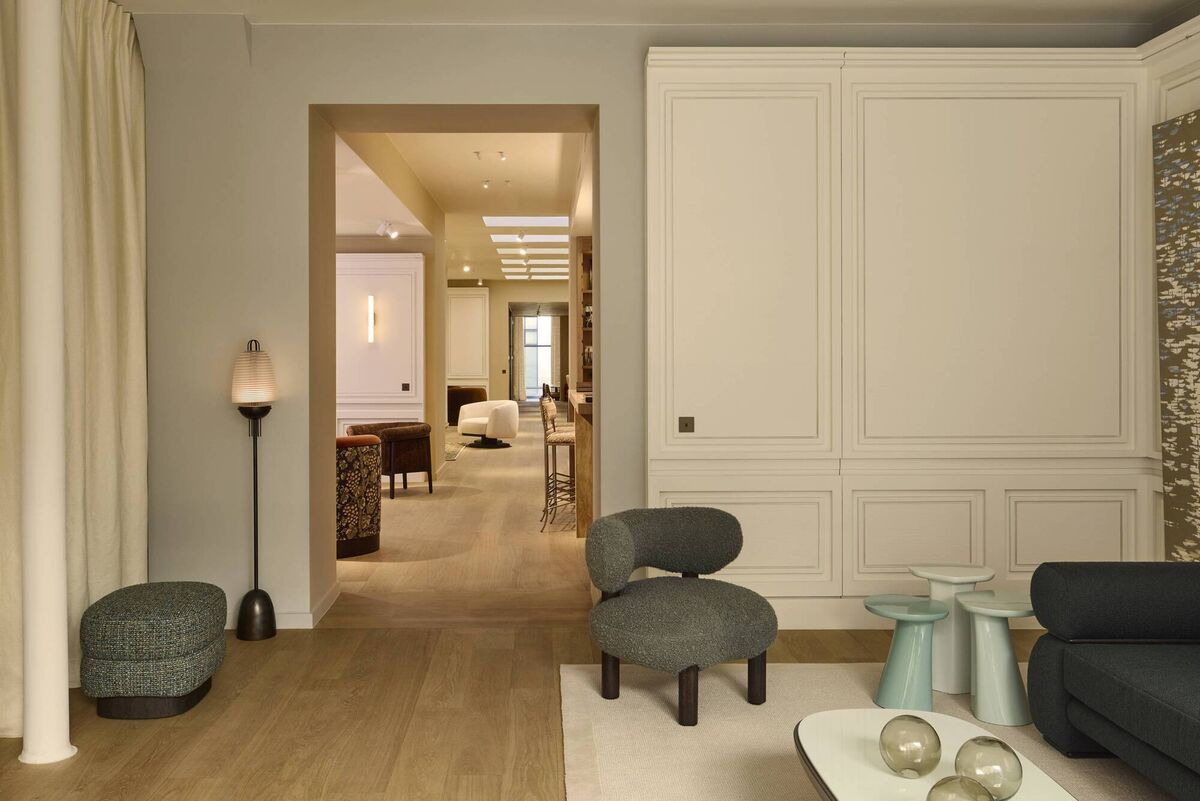
“Paint is probably one of the most powerful and affordable architectural tools. At Galerie 14 Mail, colour is used very precisely behind the predominantly white panelling to completely alter the perception and atmosphere of each salon.
“I would also rather see someone buy one object, artwork or vintage chair they genuinely love than fill a room quickly with things chosen simply to complete it.
“And use what you already have. Move the furniture, change the relationship between objects, rehang an artwork, mix something inherited with something contemporary. You can completely change the character of a room without making a major investment.”
Following the opening of Galerie 14 Mail for Maison Pierre Frey, Sandrine is currently working on several residential projects in very different landscapes.
One is the renovation of an early-20th-century waterfront property in Saint-Pierre-Quiberon, Brittany, where the original house will be combined with contemporary extensions.
Another is the rehabilitation of a 1970s house overlooking the Gulf of Figari in Corsica. “And I am also working on a mountain apartment — a completely different relationship to landscape, materials and climate, which I am enjoying exploring,” she says.
Sandrine’s grandmother was Welsh, so as a child the designer travelled to Britain and Ireland during school holidays. “My grandmother spent all her married life in Paris, but we maintained strong connections with her friends back home and travelled there almost every other summer when I was growing up,” she says.
“I also particularly remember a sailing camp at Oysterhaven, near Cork. It was absolutely beautiful — and I don’t think I have ever been so freezing cold in the middle of summer!”
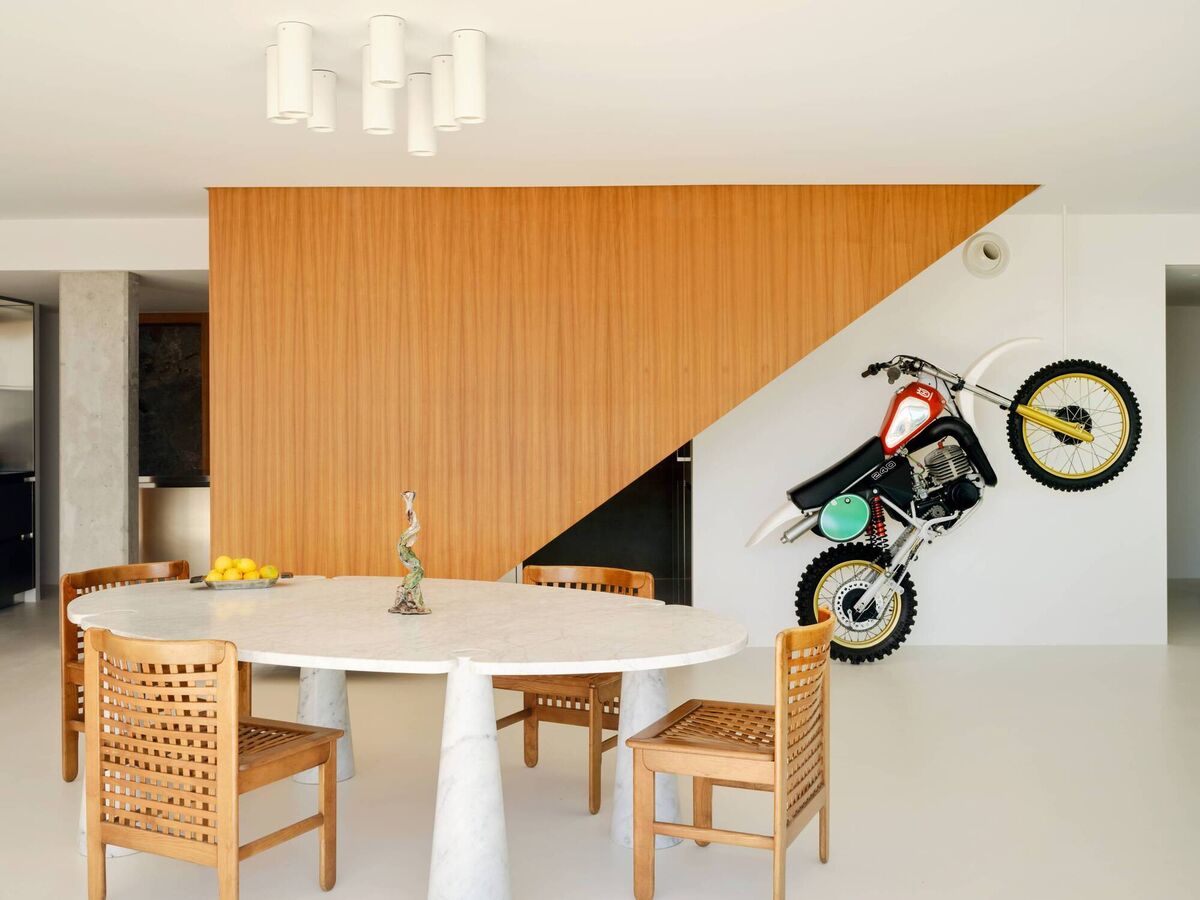
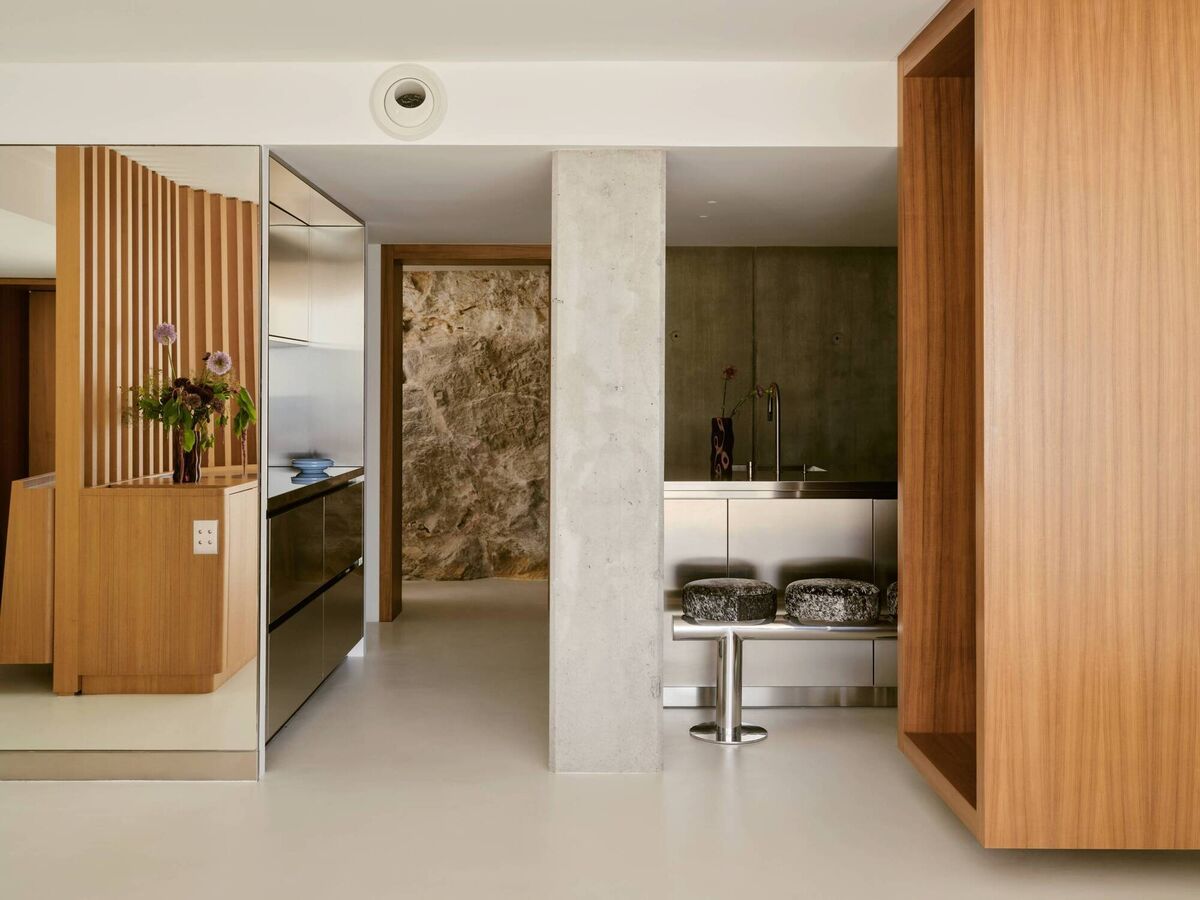
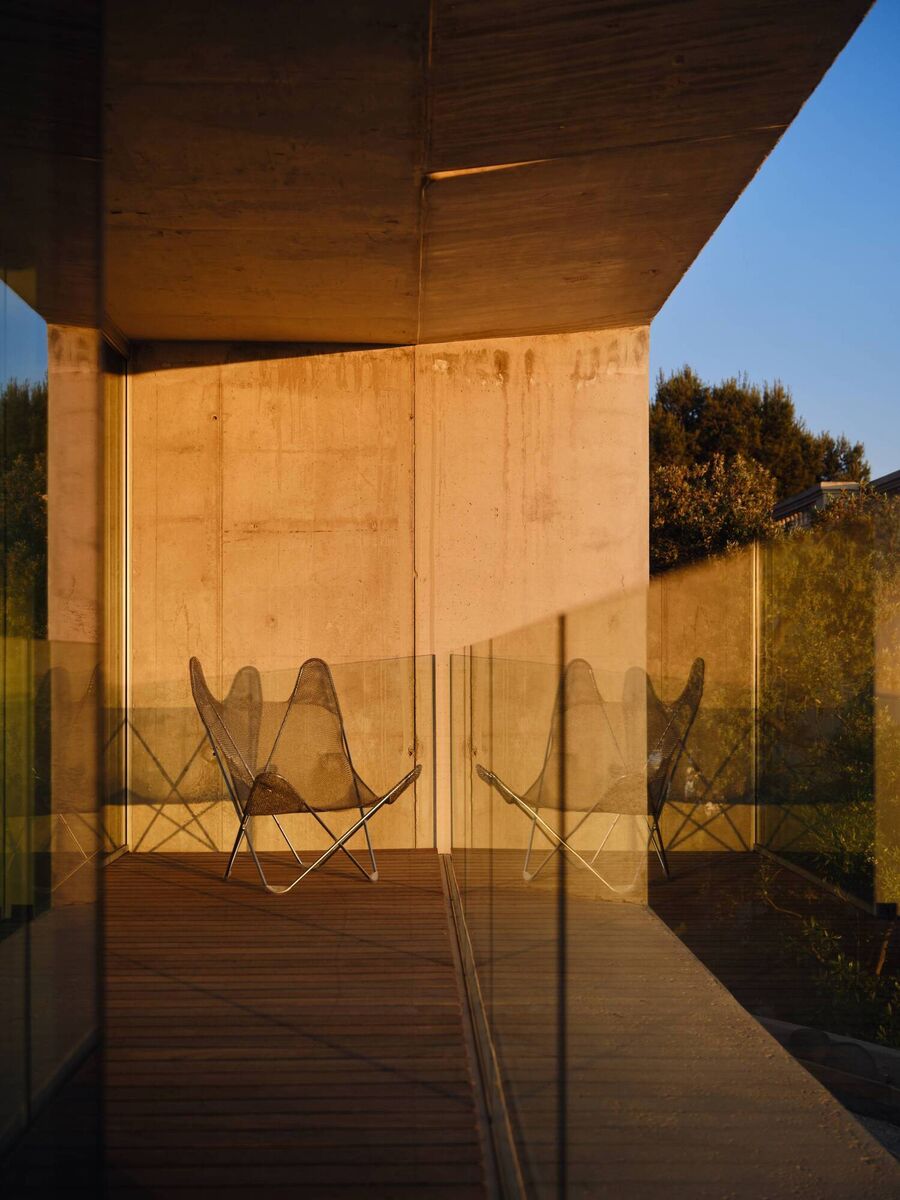
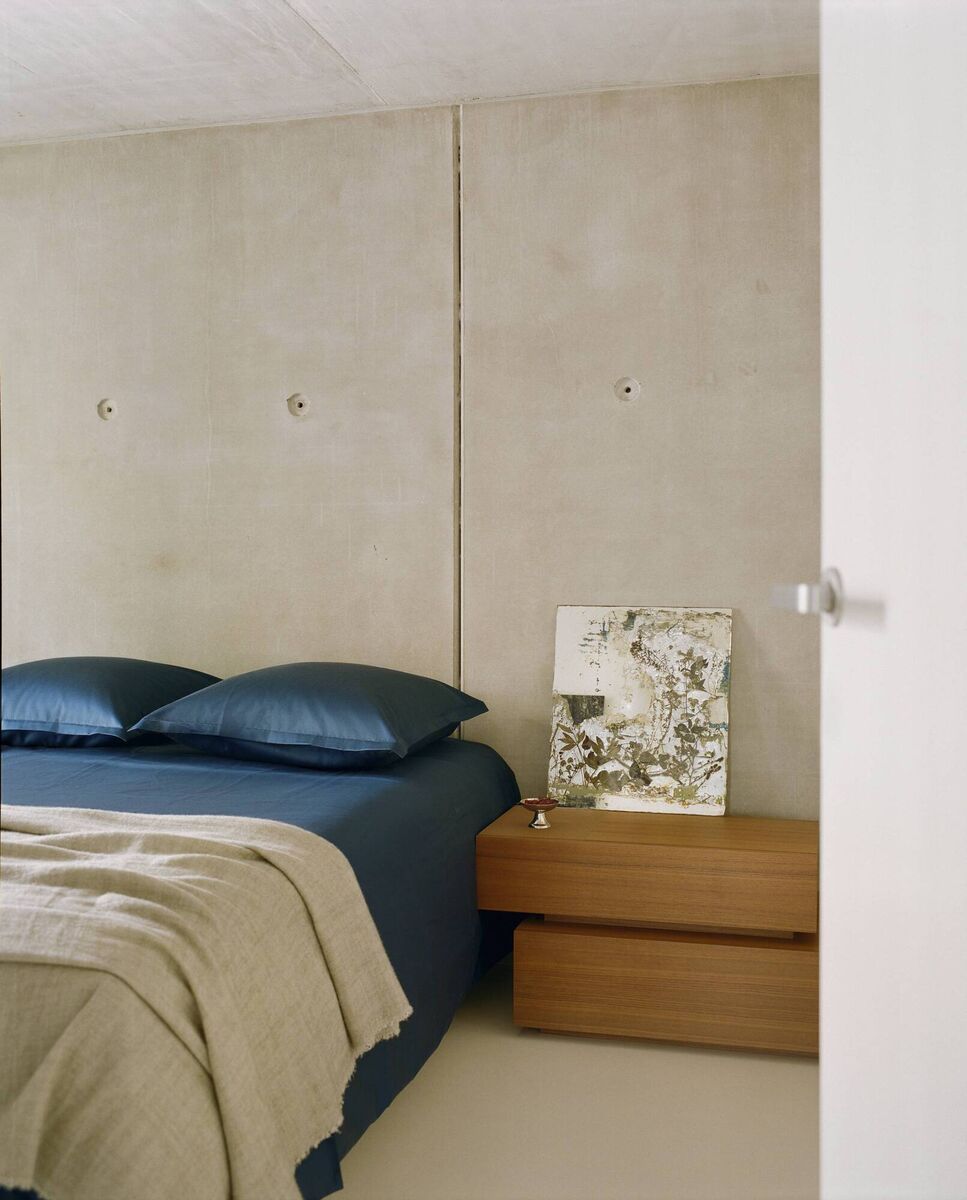
Back in the present, from the Kinsale coastal haven to its more clement counterparts in the South of France, Sandrine has earned global fame for her residential transformations such as the brutalist-inspired Villa Alta in Marseille, which is carved directly into a steep rockface overlooking the sea, pairing raw concrete structural columns with mid-century modern aesthetic choices.
I am wary of trends because a good interior should ideally outlive them. Paradoxically, timeless design often comes from being very much of its own time. If something captures the spirit of an era while having beautiful proportions and materiality, it can remain relevant for decades.
But there is definitely a shift happening now. I think we are finally emerging from the “all-beige” interiors that felt so reassuring in the post-covid years. It couldn’t last forever!
The pendulum is swinging back towards colour, personality, craftsmanship and a willingness to take risks. In an increasingly anxious world, I think interiors can be a place for optimism, pleasure and even a little rebellion.
Buy less, choose more carefully and, above all, trust your instincts.
Most of us are already overwhelmed by the number of choices we have to make every day. With furniture and art, some people experience the process as a treasure hunt, while others become terrified of making a mistake.
Taste and spatial awareness are also two different things. When choosing furniture, I would advise people not to imagine the photograph of the finished room, but to imagine themselves physically moving around the object: sitting on it, walking past it, living with it.
With art, intuition matters enormously. Don’t be afraid. And don’t be afraid of empty space either. There is no need to fill everything immediately.
A home should retain the possibility of evolving. It should remain a permanent work in progress. A home is not a still life.
Yes, although I am not sure I would describe it as a “finished” interior.
I reconsidered the layout when we moved in and, of course, make the decisions about furniture, art and colour, but the apartment keeps evolving. Pieces arrive, others leave, artworks move around.
I like the idea of a home as a permanent work in progress rather than a completed composition.
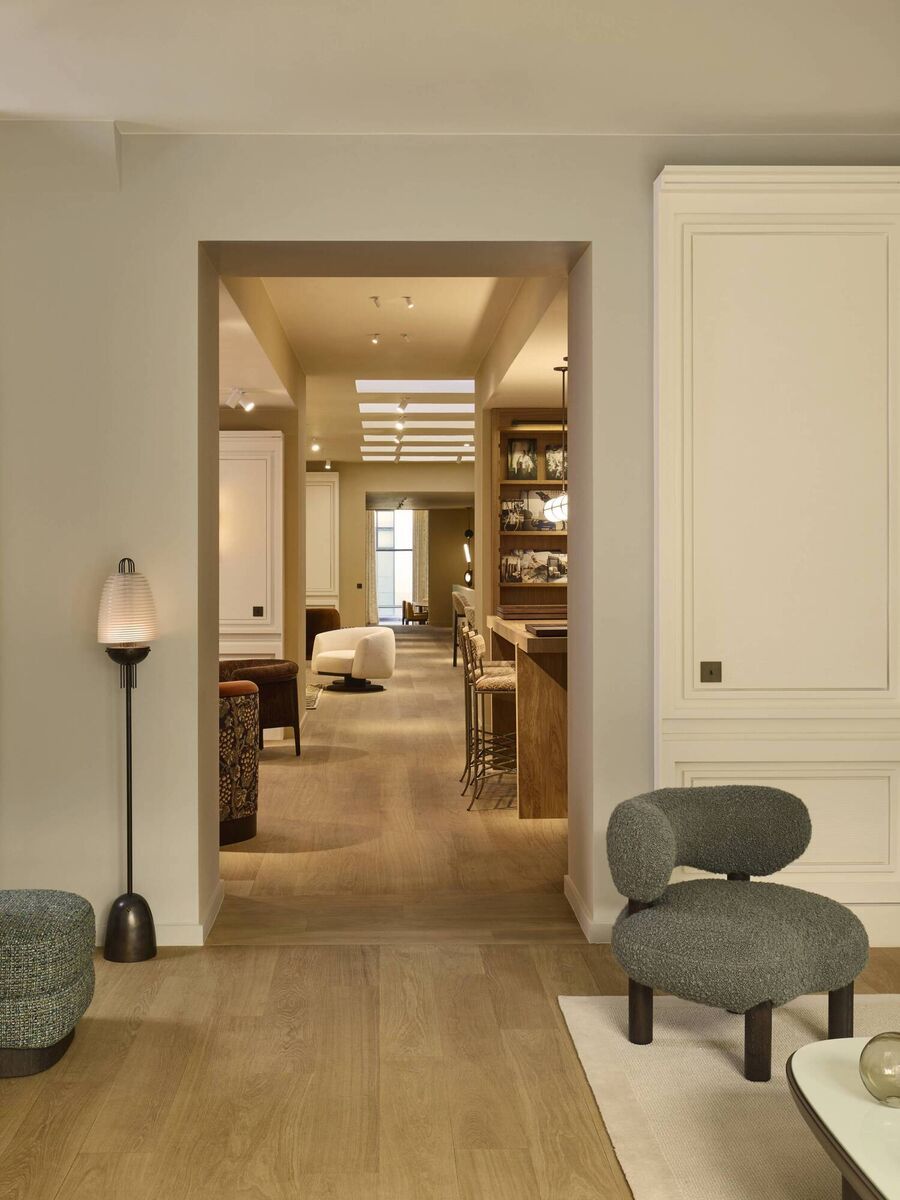
From the beginning, I felt it was essential that the showroom should not look like furniture displayed in isolation. Furniture really comes alive when it enters into dialogue with art, lighting and objects.
One of the great strengths of Maison Pierre Frey is its creative ecosystem and its ability to bring remarkable collaborators into its world. Galerie Triode is a perfect example: it has introduced some of the finest contemporary American lighting design to France, and I also specify their pieces in my own projects.
Their presence here feels very natural and is characteristic of Pierre Frey’s openness to other creative disciplines. The lighting and artworks give scale, personality and sometimes a little tension to the compositions. They make the rooms feel inhabited rather than displayed.
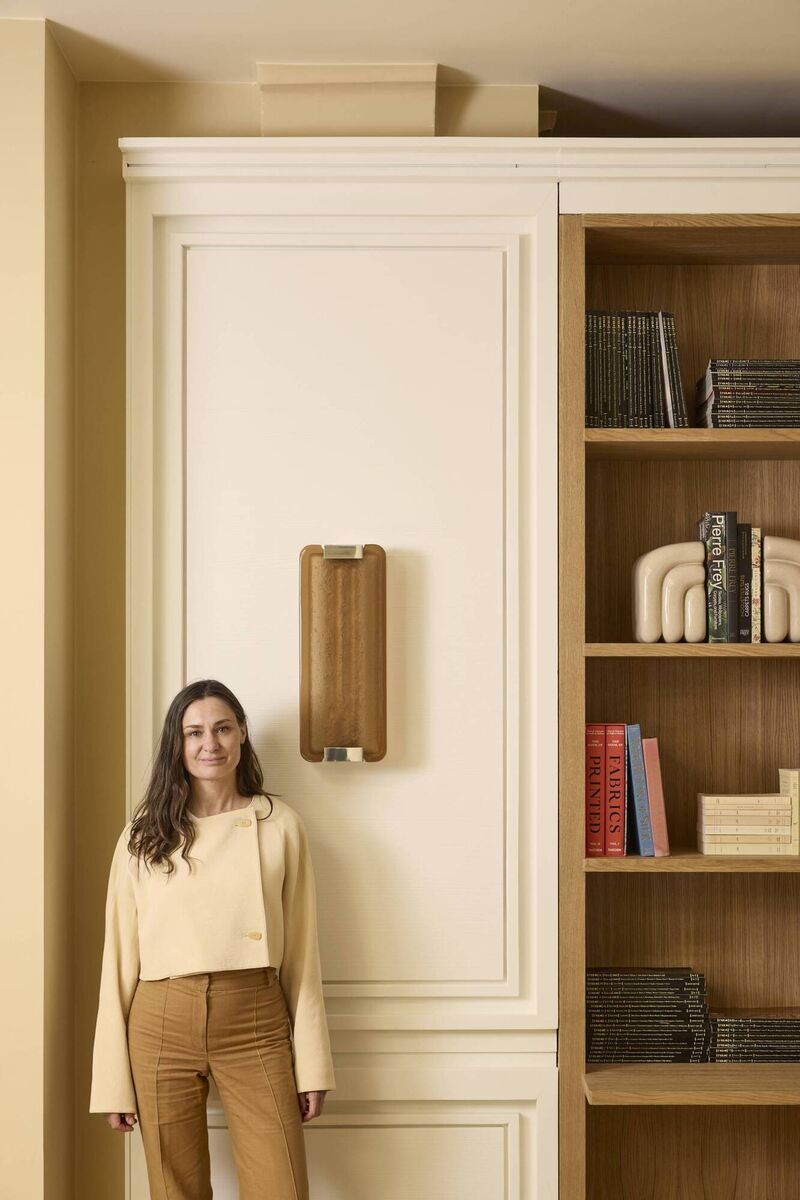
One of my favourite pieces is Fovea by Garnier & Linker, a wall light made from lost-wax cast glass with a patinated aluminium structure.
I love the balance in their work between craftsmanship, materiality and sculptural simplicity. It is exactly the kind of object I like in an interior: functional, of course, but with enough presence to exist as a piece in its own right.
A collector’s apartment is never simply about filling rooms with beautiful things. What makes it interesting is the dialogue between objects — different periods, scales, materials and personalities coming together over time.
Alongside the lighting from Galerie Triode and collectible pieces by Garnier & Linker, we brought together a very diverse group of artists and designers: Johanna de Clisson and her almost Space Age ceramic sculptures; Caroline Perrin and her aquatic diptych; Martin Berger, whose work explores materiality, including collaborations with the embroidery ateliers MTX; the beautiful paintings of Naoki Kawano, who is also developing a textile collection for Maison Pierre Frey; and large drawings by Guillaume Delvigne, the designer behind Pierre Frey’s successful Litho collection.
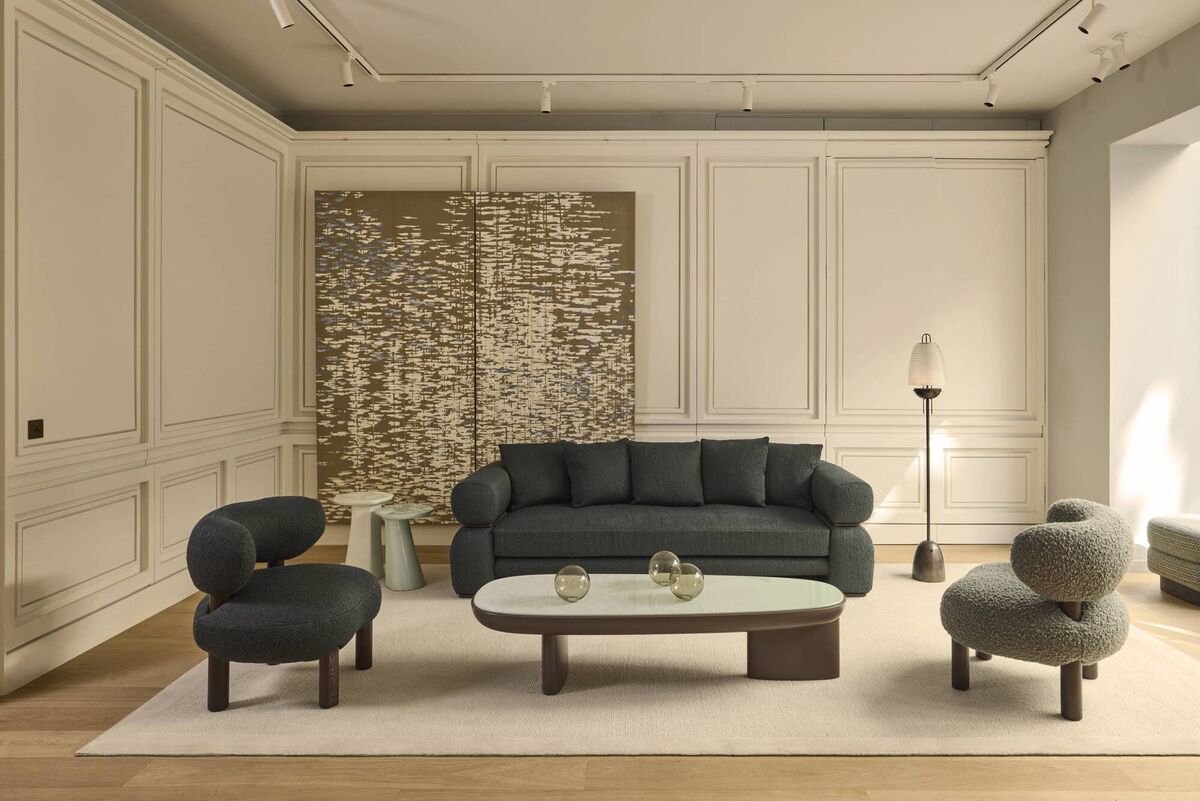
What makes the ensemble coherent is that these objects are not there simply because they fit an aesthetic. They come from real encounters, collaborations and relationships developed by the Maison.
Probably my bedroom. It is a large, almost octagonal room overlooking the square and, unlike the rest of the apartment, which is quite colourful, I made it almost entirely white: white walls, white curtains, a white boutis bedspread, white USM consoles and white Pastoe storage columns.
The only real colours come from the Persian rugs and the marble fireplace.
I spend my working life looking at colours, materials, objects and images, so I think I instinctively needed one room where my eyes — and my mind — could completely rest.
I have to confess that since becoming a mother — and probably since the arrival of social media — I practise far more tsundoku than actual reading. It is the Japanese word for buying books and allowing them to accumulate in unread piles, and I’m afraid it describes me rather well!
But I still love contemporary literature. I recently returned to Jérôme Ferrari and was reminded of how much I love his writing.
Impossible to choose just one. But I would happily live with a painting by Domenico Gnoli — or one of Anthea Hamilton’s boot sculptures.
The best bargain I’ve come across recently was a spectacular sculptural 1980s table at Harold Mollet, a Paris dealer specialising in contemporary design.
I had gone to see him while sourcing furniture for a residential project and spotted it almost by accident. It was unsigned, which made it surprisingly affordable for such a strong piece.
I’m still thinking about it — which probably means I should have bought it!
Probably the bespoke sofa my husband commissioned for his 50th birthday.
His request was very simple: he wanted something more comfortable than the sofa we had — so we had one made especially for us!
Juliette Lewis.
I like her energy, her independence and the slightly rock-’n’-roll quality she brings to everything. I’ll take that!
One of my favourite films is Bernardo Bertolucci’s The Dreamers.
I love the way cinema, interiors, youth, politics and fantasy become completely entangled. The apartment gradually becomes a world of its own, almost disconnected from reality outside. And visually, it is extraordinary.
- See Sandrinesarahfaivre.comtarget="_blank" rel="noopener noreferrer">; Instagram: @sandrinesarahfaivretarget="_blank" rel="noopener noreferrer">; Pierrefrey.com/en
CONNECT WITH US TODAY



Be the first to know the latest news and updates