Islamic State suspect - Gardaí must clear up concerns
It would be a matter of the greatest concern if it was proven that an Islamic State member had obtained Irish citizenship despite being on a garda watchlist of terrorist suspects.
It would show failures by both the Garda Síochána and the Department of Justice as well as posing a threat to the security of the state and those resident within it.
An Irish citizen, along with two US and two Pakistani fighters, was arrested as a suspected Islamic State terrorists by Kurdish forces in northern Syria.
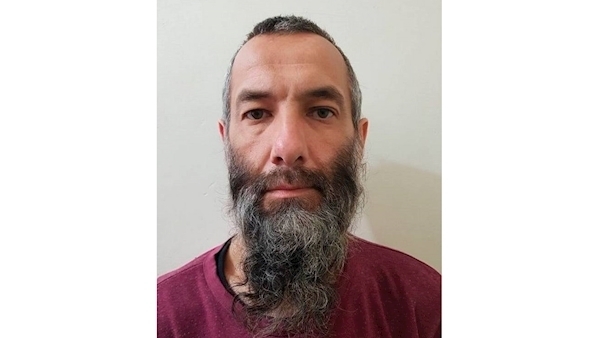
The man, named as 45-year-old Alexandr Ruzmatovich Bekmirzaev, is originally from Belarus and came to Ireland in 2000, living and working in Dublin for a number of years.
He was known to gardaí as an IS sympathiser before he left Ireland with his wife and family in 2013 to fight in Syria and was placed on a watchlist and monitored by the Garda’s Special Detective Unit.
There appears to be confusion over whether Bekmirzaev was granted citizenship before or after becoming radicalised so it is of the utmost importance that the Garda Siochána and the Government make the matter clear. The pertinent questions are: what did members of the Special Detective Unit know and when did they know it?
Garda sources suggest he was radicalised here and they only became aware of his affiliations after he had been granted Irish citizenship. This is unlikely for two reasons: Firstly, the gardaí had received information from a foreign intelligence agency that the man was an active supporter of radical Islamist groups. Secondly, while there are undoubtedly IS sympathisers in Ireland, the numbers are small.
This was confirmed last May when Assistant Commissioner Michael O’Sullivan declared that most of the Irish jihadis who left to fight wars are now dead or missing.
It is estimated that around 30 terror sympathisers from here went to fight wars in Iraq or Syria. Speaking at an
Interpol conference, Mr O’Sullivan said the gardaí were monitoring a small number of IS sympathisers here.
It is, of course, possible that the man was radicalised here but the expert view is that it is more likely that this occurred abroad. According to security analyst Declan Power, a former member of the Defence Forces, it is unlikely that the man became radicalised in Ireland, which suggests that his IS sympathies were evident before he was granted citizenship.
The chairperson of the Irish Muslim Peace and Integration Council, Dr Umar Al Qadri, want the Government to revoke the man’s citizenship. This can be done by the Minister for Justice in limited circumstances under the 1956 Irish Nationality and Citizenship Act.
Revoking his ciizenship may, in any case, be moot, considering he has been captured by Kurdish militants who are not known to treat IS members gently.
Of more pressing concern is the prospect of such radicals being granted Irish citizenship. Given the bloodshed wrought by our homegrown variety for 30 years in Northern Ireland, the last thing we need is to import terrorists.
CONNECT WITH US TODAY



Be the first to know the latest news and updates