Irish Examiner view: When is a ceasefire not a ceasefire?
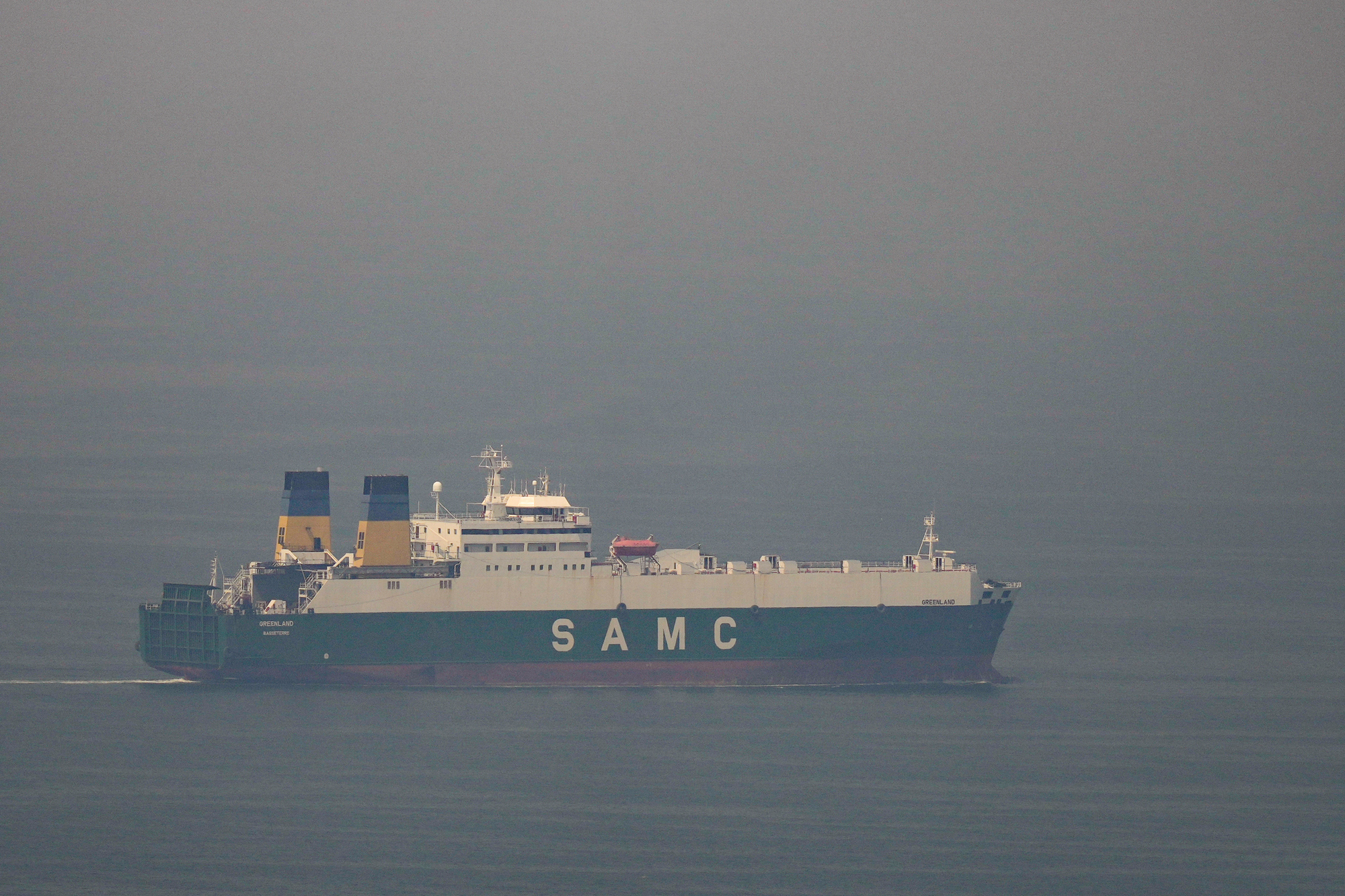
A cargo ship sails in the Arabian Gulf towards the Strait of Hormuz in United Arab Emirates. Picture: Altaf Qadri/AP
The rolling conflict centred on the Strait of Hormuz is on many of our minds, given the real-world consequences for everyone, but that may be the only way reality is visible in this affair.
The war began in February when the US and Israel launched airstrikes against Iran, and at various points since then US president Donald Trump has made promises about ending the conflict — when it began, he suggested it would end within six weeks, for instance.
However, his claims about this week’s developments, when US and Iranian forces clashed in the gulf, are even more outlandish.
Mr Trump posted online that “Three World Class American Destroyers just transited, very successfully, out of the Strait of Hormuz, under fire. There was no damage done to the three Destroyers, but great damage done to the Iranian attackers,” while later he told reporters: “They trifled with us today. We blew them away.”
Yet he also maintained that the ceasefire between the two nations, agreed on April 7, was still in effect.
It is beyond a cliche to say truth is the first casualty of war, and Mr Trump’s cavalier attitude to facts has been a hallmark of his career, but this assertion contradicts testimony to the contrary.
How can a ceasefire be in effect when the leader of one of the sides involved says “we blew them away”?
Iran’s credibility is little better — while it accused the US of breaching the ceasefire, the United Arab Emirates claimed it was dealing with missile and drone attacks from Iran earlier this week.
Allowing for the proverbial subtleties of international diplomacy, such contradiction of known facts does not augur well for a lasting peace in the region.
Even a passing familiarity with Mr Trump’s modus operandi suggests his usual approach will apply here: We can anticipate some snappy soundbite which will misrepresent the situation completely, followed by the White House refocusing on a new topic which simultaneously distracts and appeals to his core support.
The painstaking work of creating a truly workable and much-needed settlement will be left to others.
Before Thursday’s local elections in Britain there was a strong expectation that the governing Labour Party would get a bloody nose when the votes were counted.
The presumption was that those elections were a chance for the electorate to signal its unhappiness with rolling scandals such as the Peter Mandelson ambassadorial appointment as well as Labour’s general haplessness.
The signal came through loud and clear, with hundreds of Labour councillors losing their seats and plenty of grumbling from party members about its leadership.
Less than two years after guiding Labour to a landslide general election win, prime minister Keir Starmer was forced to declare on Friday that he was staying in his post, though the clock is surely ticking down to his departure.
The biggest story from this election, however, may be the surge from Reform, the party led by Nigel Farage.
Traditionally, the Labour Party’s weakness was the Conservatives’ opportunity, but Reform have won hundreds of seats and its leader was jubilant, declaring Labour had been “wiped out by Reform in many of their traditional areas”.
It has been an extraordinary journey for Mr Farage, who was once seen as something of a one-issue crank, obsessed with taking Britain out of the EU.
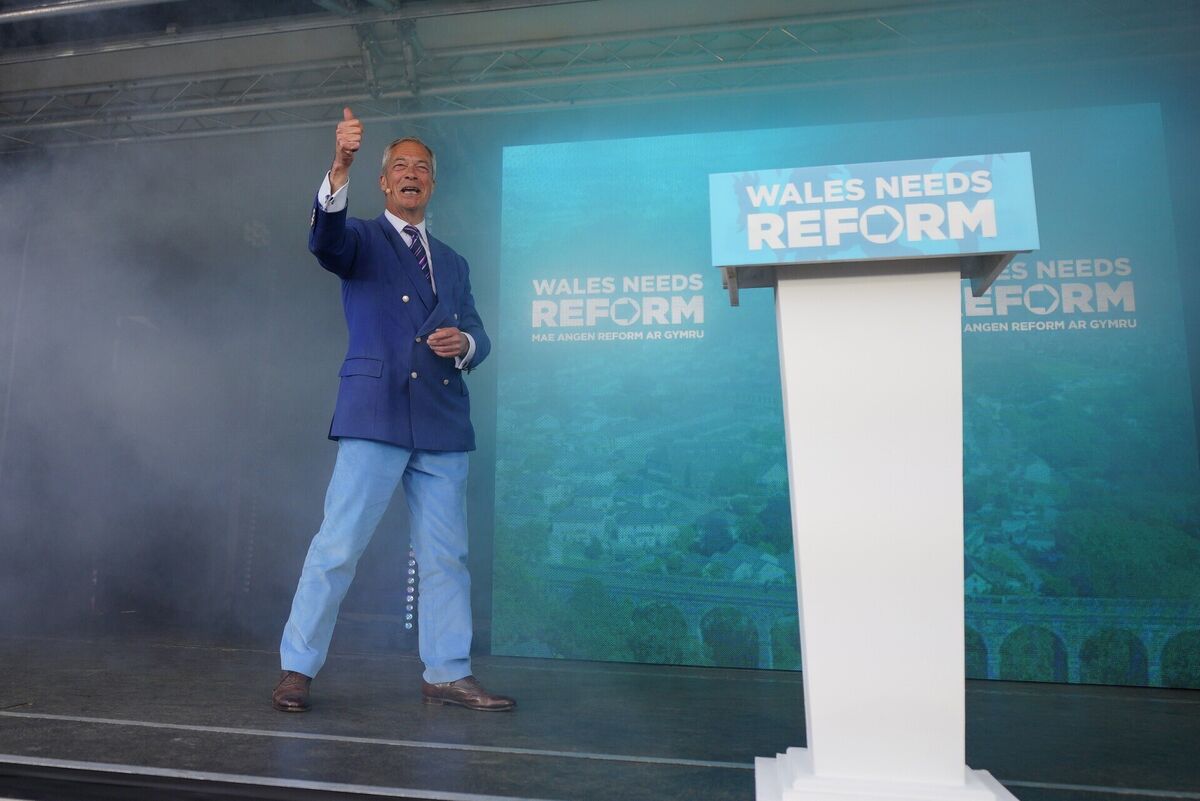
Having seen that once-unlikely goal accomplished, he may now have another within his grasp: Based on this week’s council election results, he cannot be ruled out as a potential future prime minister.
On that basis, we in Ireland should pay more attention to him and to his party’s policies.
Reform is a right-wing populist party which has successfully played upon a general sense of economic dissatisfaction in Britain by combining it with anti-immigration rhetoric.
Mr Farage’s strident anti-Europe stance does not mesh well with our close alignment with the EU membership generally, while his views on the Good Friday Agreement are disquieting.
Last year, he said he would renegotiate the agreement and remove human rights law from its provisions to make it easier to deport illegal migrants.
This alone should be enough to forewarn us about the potential dangers of a Farage administration.
The death was announced this week of media mogul Ted Turner. He was 87.
For many readers he will be associated with his third wife, actress Jane Fonda, but Turner’s life was extraordinary beyond any appearances in the gossip columns.
He invented 24-hour news broadcasting when founding the Cable News Network in 1979, now better known as CNN.
He owned a pro baseball team and won the Americas Cup yacht race.
He feuded with rival mogul Rupert Murdoch for years and, true to his ‘Mouth of the South’ nickname, often had to apologise for his public comments.
Interestingly, his politics drifted leftwards over the course of his life.
He advocated strongly for using more solar and wind power and became one of the US’s leading conservationists.
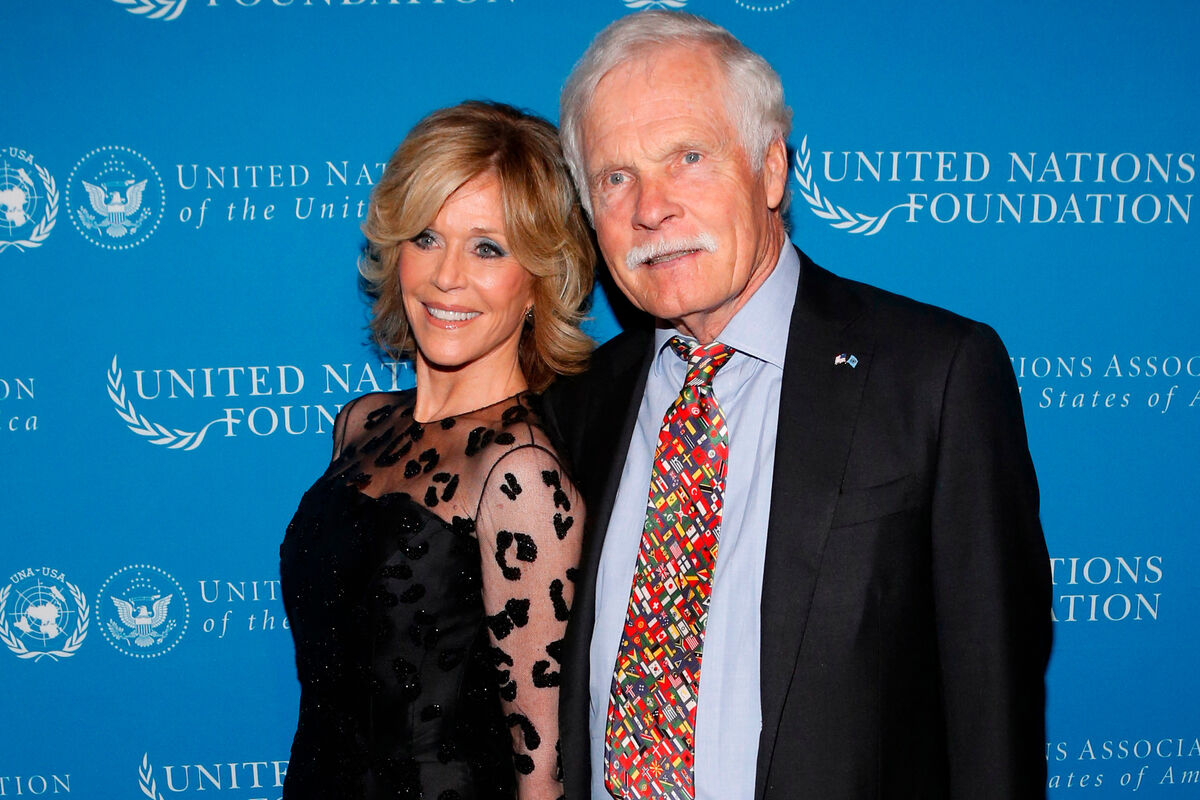
Turner’s ranches cover approximately 2m acres, and his company has stated that those are to be preserved and protected after his death.
He also donated $1.3bn to the UN and other causes.
“Ted Turner bet on humanity,” said UN secretary-general António Guterres, “And in the process helped strengthen the security of his own country and reinforce our common values.”
A fine example for other billionaires to follow.
CONNECT WITH US TODAY



Be the first to know the latest news and updates