Catalan crisis continues
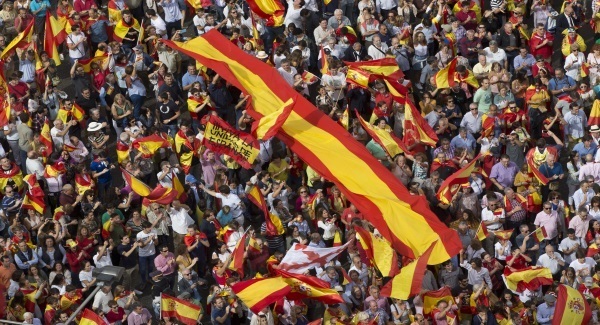
The Spanish government’s heavy-handed and myopic strategy for dealing with its Catalan secession challenge has produced precisely the result it was designed to prevent, with a majority in the region’s new parliament won by the coalition of parties in favour of establishing a breakaway republic.
Creating a situation in which the region’s deposed president was forced to fight the election while in exile in Belgium strengthened anti-Madrid sentiment. Back to square one.
Meanwhile, the responses of European Union member governments and the Brussels commission to domestic politics in Spain and Poland merit questioning.
Their reaction when Spain’s government sent in riot police to stop Catalonians voting in their referendum, and when some of the leaders of the independence movement were jailed – two remain behind bars and six are on bail facing bizarre charges of sedition and rebellion – was a barely audible murmur.
“It is not on our agenda,” whispered European Council President Donald Tusk.
Nothing to do with us! The EU, though, takes an intense interest in Poland’s domestic laws.
It says the country might lose its voting rights in EU institutions if recent democratically-enacted reforms of its judicial system, which Brussels argues undermine the independence of Poland’s judges and threatens democracy in Poland, are not repealed.
But locking up elected pro-independence politicians in Spain? Well, let’s just look away.