Sally Rooney book row shows how vulnerable our freedom is
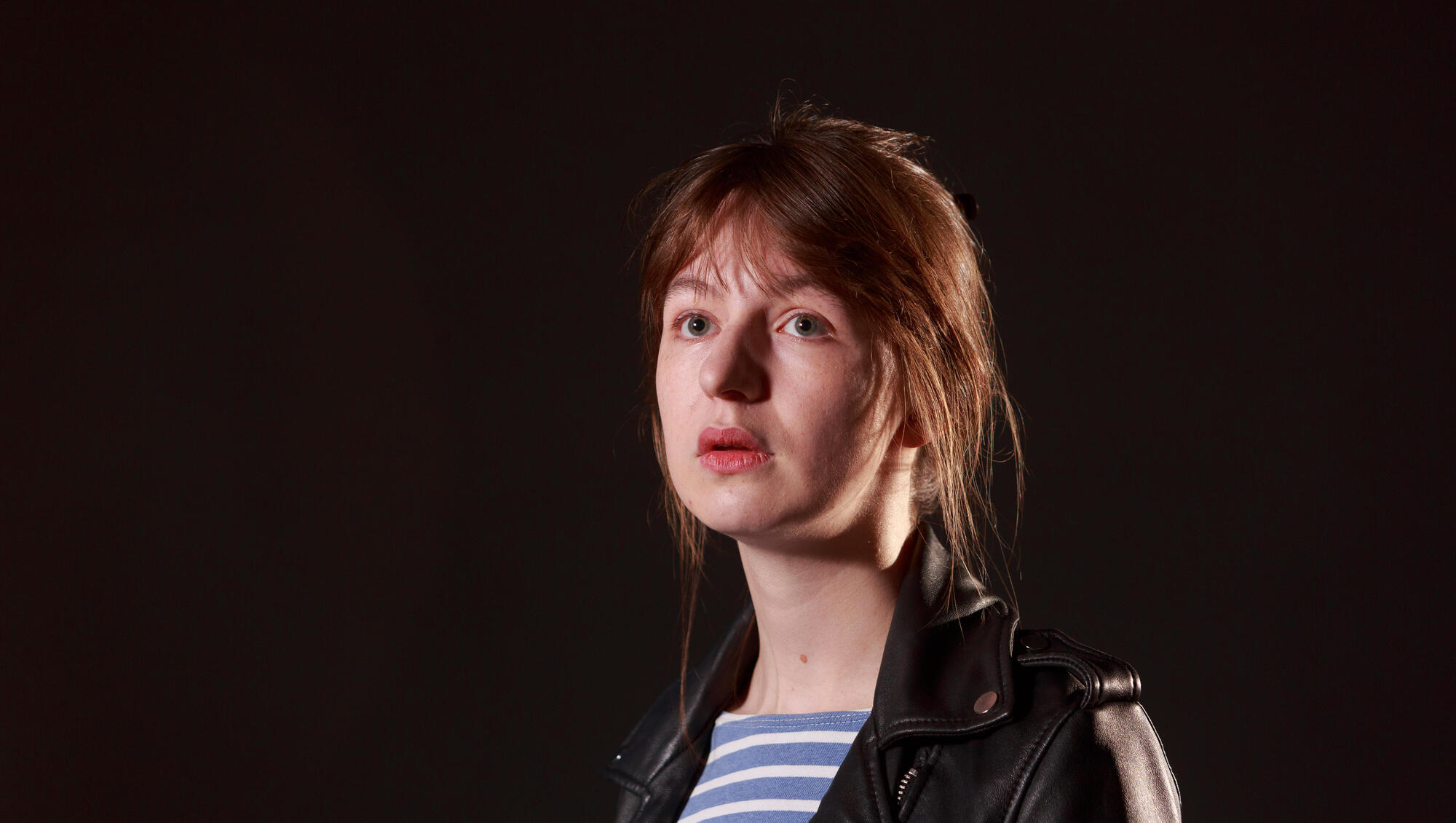
It is no exaggeration to say that Sally Rooney, whose novels have been translated into 47 languages and counting, is a global literary superstar. File picture: Pako Mera/Alamy Live News
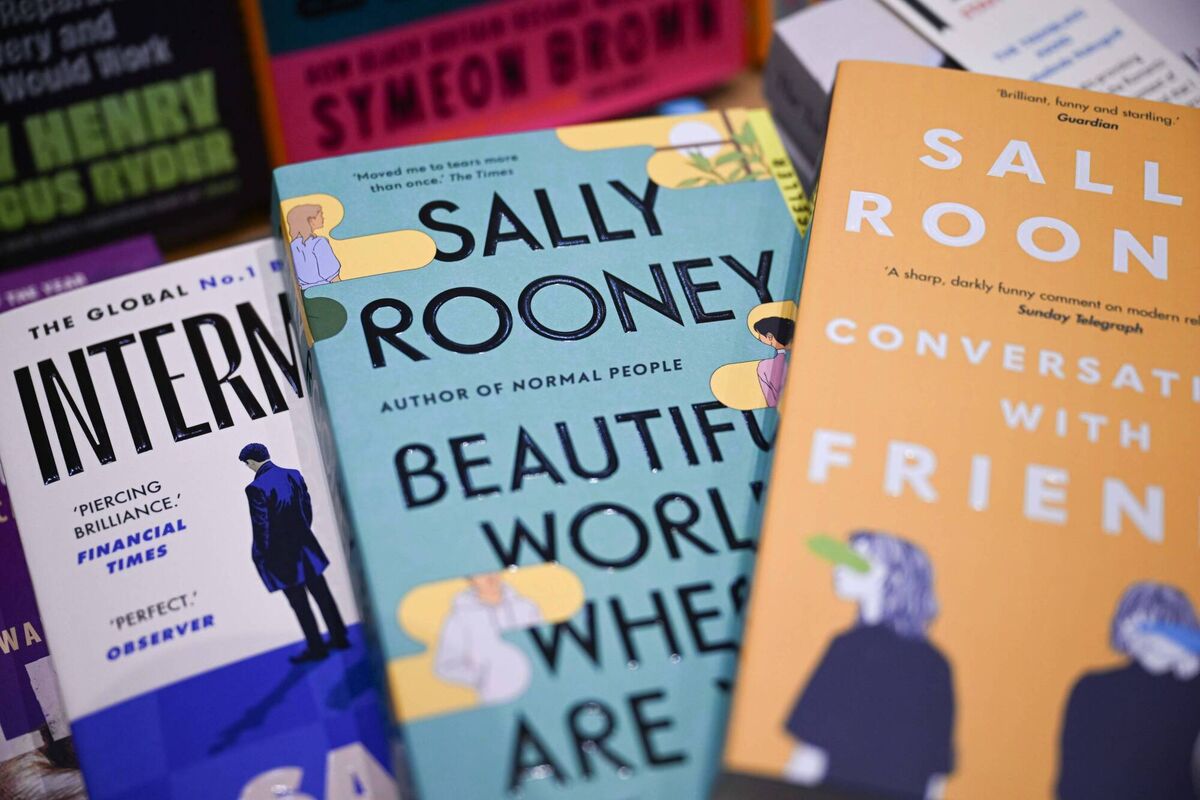
Since October 15, Kenny’s in Galway has been selling more Sally Rooney books than usual to the UK. In Northern Ireland, bookshops also noticed an increase in demand for Rooney’s novels. They ordered stock from south of the border but quickly sold out.
British readers are ordering from Ireland because Faber, Rooney’s publisher, had announced it will no longer supply her novels to the British market.
The publisher believes that the British state will prosecute them for passing royalties onto Rooney, who has said she intends to "use the proceeds of my work" to support Palestine Action. Since this is an illegal terrorist organisation, Faber risks being prosecuted for paying their author.
Rooney’s novels will soon be unavailable in UK bookshops. It is perhaps ironic that Irish booksellers, who endured severe censorship from 1930 to the 1990s, have become a source for banned books.
In the history of censorship, the traffic in contraband publications was always from Britain to Ireland. Parcels were opened and searched by Irish customs officers who consulted a blacklist of banned books, magazines and newspapers.
Read More
In one West Cork village, a man opened his delivery of DH Lawrence’s to find only the cover — the pages had been ripped out. Gardaí raided bookshops if they suspected that banned material was being sold. The censorship board targeted Irish writers, meaning that it was easier to buy books set in Ireland outside of the country than in Irish bookshops.
Strictly speaking, and Rooney's other novels are not banned in the UK, because the books are not technically illegal. It’s easy to imagine that censorship applies only when a novel is officially banned and we like to think that our democracies no longer do this.
No one has yet argued that Conall and Marianne’s sexual relationship degrades Britain’s morals. Her novels do not refer to Palestine, Israel or even the politics of protest. Yet as a result of the author’s political opinions, these books are effectively suppressed in Britain.
This isn’t about the books themselves, but the author. It is no exaggeration to say that Sally Rooney, whose novels have been translated into 47 languages and counting, is a global literary superstar. She also writes political opinion pieces in national newspapers.
In 2021, she refused to have her book translated by Israeli publisher Modan because they did not meet the criteria of the BDS (Boycott, Divestment and Sanctions) movement. In retaliation, Israel’s largest booksellers pulled her novels from their shelves.
If Sally Rooney had said nothing about either Israel or Palestine, none of this would have happened. Her work could still be available everywhere but she chose to be, as she said "honest with the public about my beliefs and intentions".
Since September 2025, she has not travelled to the UK, for fear of being arrested under the Terrorism Act. She’s not the first outspoken Irish author to annoy a government.
After Edna O’Brien’s fifth novel was banned in Ireland, she joined the nascent anti-censorship campaign, travelling from London to Ireland to attend meetings and speak to journalists. She suspected, perhaps knew, that powerful men hated her books and her politics; Archbishop John Charles McQuaid boasted that he had had banned.
She was everything that annoyed the Irish establishment: an opinionated, successful and famous woman. She was also out of their reach, since she lived outside of Ireland.
Now Sally Rooney, living in Ireland, has more freedom to speak and write her mind than if she lived in Britain. Until recently, few would have predicted such a dramatic reversal in the fortunes of artists or the tolerance of the British state. Nor is Rooney the only artist affected by British counter-terrorism legislation.
Marc Davenant, a UK photographer, has just started a touring exhibition Rebellion! on protest. Since one of the images features a Palestine Action protestor, he had to seek legal advice on his risk of being charged with a terrorist offence. While the photograph remains in the exhibition, Davenant was forced to change its descriptive label.
The British government can argue that it has not officially censored art but artists are testifying to the chilling effect of terrorist legislation on their work and practice. Censorship can take many forms and affect expression in many ways.
Artists in Britain are now effectively forced to choose between censoring their own work or concealing their personal opinions. The debate over whether Sally Rooney’s books have been banned or simply withdrawn obscures the power of the state to constrain artistic expression.
October marks Irish Book Week and the international event, Banned Books Week. Both draw attention to the power of books and their place in society. They also highlight how our freedom to read is vulnerable to threat.
It’s an appropriate time to pay attention to the many ways writers can be silenced and the diverse methods used to keep books out of readers’ hands.
- Aoife Bhreatnach is an academic and host of the podcast.
- Ingrid Seim is a leadership coach and former president of Network Ireland Cork.
- Together they organised Banned Books Week Ireland.

CONNECT WITH US TODAY



Be the first to know the latest news and updates