Irish authors on what it's really like to have their books turned into TV shows
A TV adaptation can transform an author's career, and right now, Irish books are becoming some of television's hottest properties
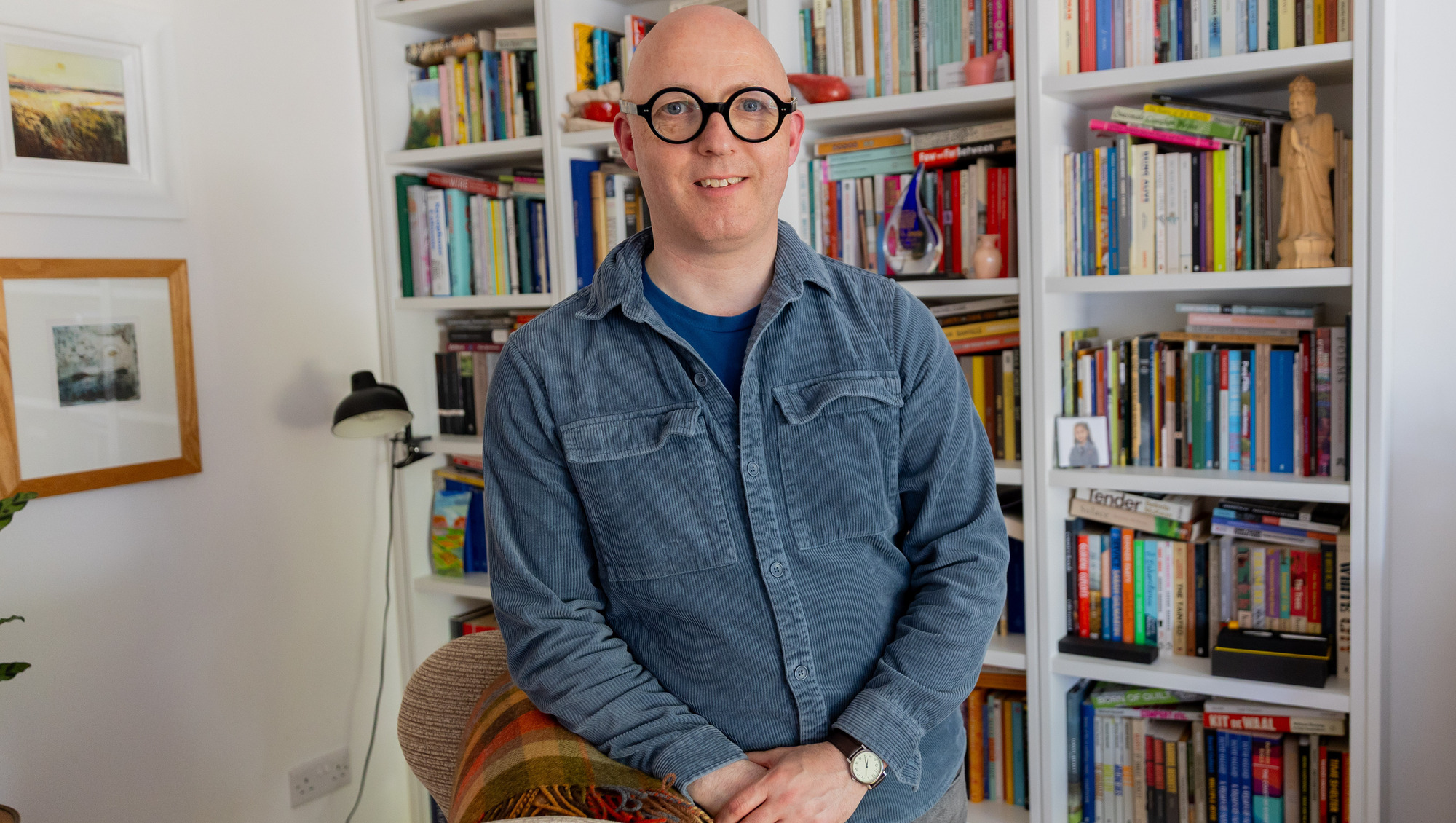
Author Rónán Hession at his home in Portmarnock, Dublin. Picture: Gareth Chaney
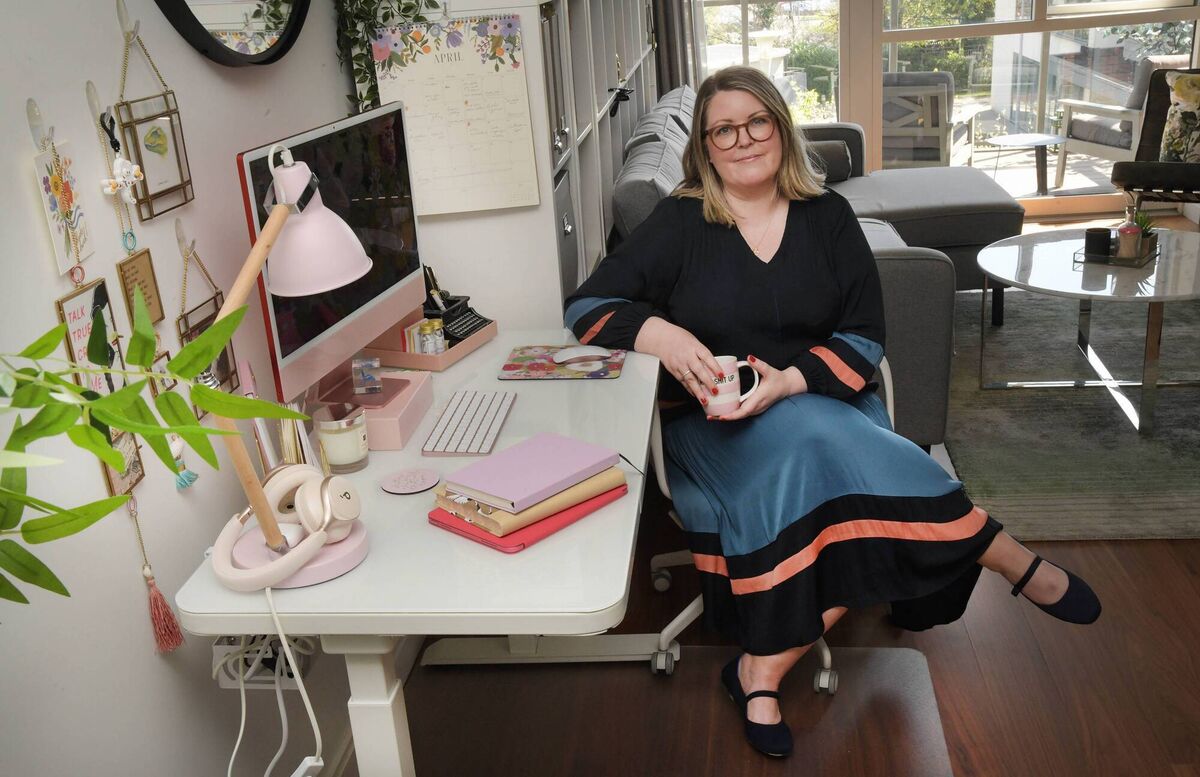
Author Rónán Hession at his home in Portmarnock, Dublin. Picture: Gareth Chaney
An Irish author having their book adapted for TV was once a relatively uncommon thing. But you wouldn’t think that looking at the small screen today, where they’re reigning supreme.

Over the past 12 months, audiences have enjoyed The Walsh Sisters on RTÉ, based on Marian Keyes’ books; Catherine Ryan Howard’s 56 Days adapted by Prime Video; Leonard and Hungry Paul on the BBC, adapted from Rónán Hession’s book; Trespasses on Channel 4, adapted from Louise Kennedy’s book; and All Her Fault on Sky Atlantic, adapted from Andrea Mara’s book.

There are more to come, like Chloe Walsh’s Boys of Tommen for Prime Video, directed by Corkonian Brendan Canty. The power of a book-to-screen adaptation can be huge — witness the massive response to Heated Rivalry, the Crave/HBO Max series based on books from
Canadian author Rachel Reid’s Game Changers series.

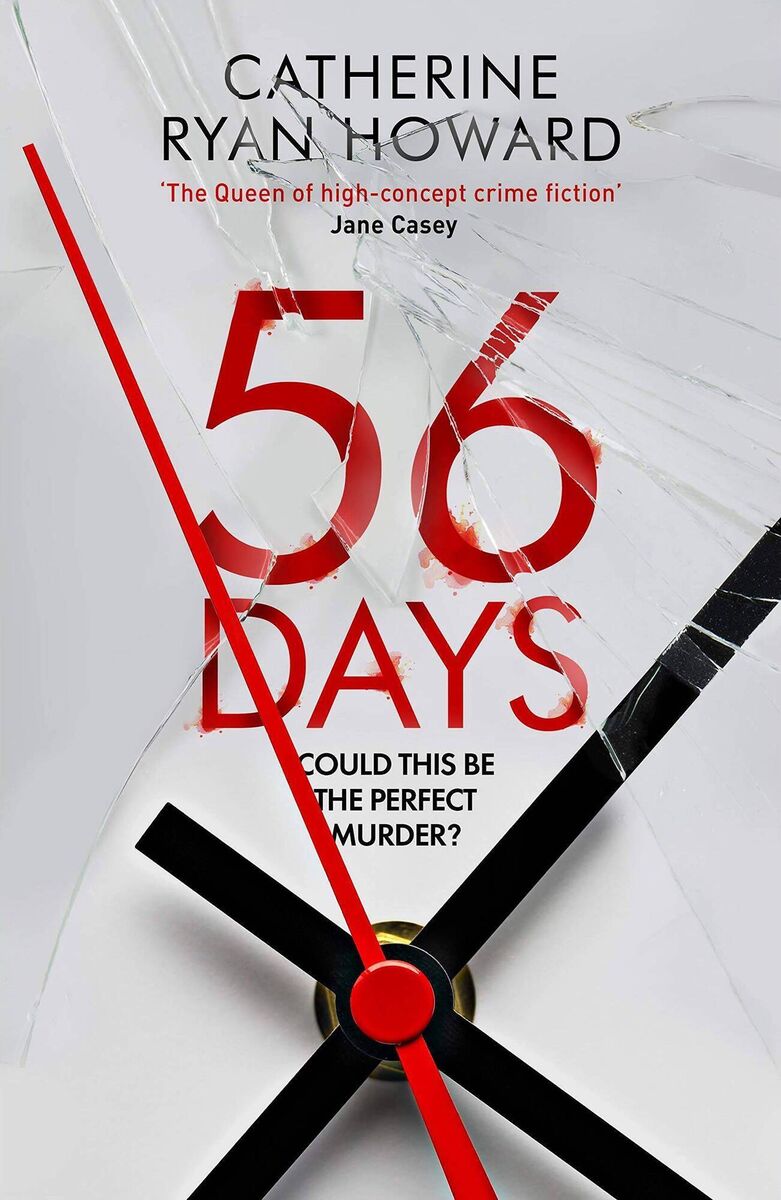
Catherine Ryan Howard, author of 56 Days, which has been adapted by prime video 

The process of getting a book on screen begins with the work being “optioned”. This essentially means a production company pays the author to exclusively see if they can turn the book into a screen project. Generally authors have a literary agent for their book deals, and need a media rights (or screen rights) agent for screen deals.

Renowned Irish literary agent Sheila Crowley works in London at Curtis Brown, a company which also has agents who work on media rights. She says the literary agent must first fall in love with the story; their next priority is getting publishing and translation deals for the book, but they’ll also be wondering if it might work for the screen. Even after publishing, media attention can help pique the interest of producers.

“Sometimes the book gets acquired, and then the rights might be optioned because there’s a buzz around it. With Me Before You [by Jojo Moyes], it happened when we got a New York Times review,” says Crowley, describing this film as “tipping point for global success” for her client Moyes.

The money paid for an option can vary. “The most modest is a ‘shopping agreement’ where somebody really likes something, but [doesn’t have] finances,” Crowley says. “Options could be anything from a four figure sum … it’d usually be five, sometimes it’s six figures.”

If a book goes to series, there are further ways for
authors to make money — for example, they might also sign on as an executive producer or consultant.

For Cork author Catherine Ryan Howard, having her fifth (of 10) novel 56 Days adapted “was like a visit to another planet”. The Prime Video series, about a steamy love affair that turns deadly, stars Dove Cameron and Avan Jogia and came out in February. Looking back, she knows 56 Days was a particularly special experience.

56 Days Catherine Ryan Howard

“Amazon [which owns Prime Video] really pulled out all the stops,” she says. “There were billboards in Times Square; the morning I was in LA for the premiere, I went to a cafe that was branded for 56 Days.”

Publishing a book can be a process filled with anxiety. But Ryan Howard found the adaptation experience “so fun, because I had no responsibility” as she wasn’t involved in producing or writing it.

“The night of the premiere was funny, because in one way it was absolutely nothing to do with me, and in another way it was all happening because of me.”

She couldn’t help thinking that “all this happened because I went slightly nuts during lockdown” she says with a laugh.

But if a writer is hands off, is there a risk that audiences might not even know they exist? Ryan Howard says that she was “absolutely highlighted as the author” throughout the 56 Days process.

“I could not have been treated better.”

While a couple of reviewers weren’t very kind to 56 Days, it was a big hit with audiences, becoming the top Prime Video show in the world within five days. There was a bump in book sales too, thanks to a tie-in edition of 56 Days (though Ryan Howard can’t divulge specific numbers).

“The show was supposed to be a bit crazy, glossy, sexy, popcorn, and it was all those things,” she says. “It really achieved exactly what it set out to achieve, and that’s reflected in the success of it.”

One moment of anxiety, however, was when some readers messaged Ryan Howard to tell her the series was “so different” to the book. “The whole book is in the show. What’s different is what’s added,” she explains. “I’d say you’d barely get one episode out of the actual book because there’s so much interiority, there’s repetition, you’re seeing things from people’s different points of view.” She explains that the show “wasn’t a visual companion to the book”.

Two of Ryan Howard’s other books have been optioned, and she’d love to work again with Karyn Usher and Lisa Zwerling, who developed 56 Days.

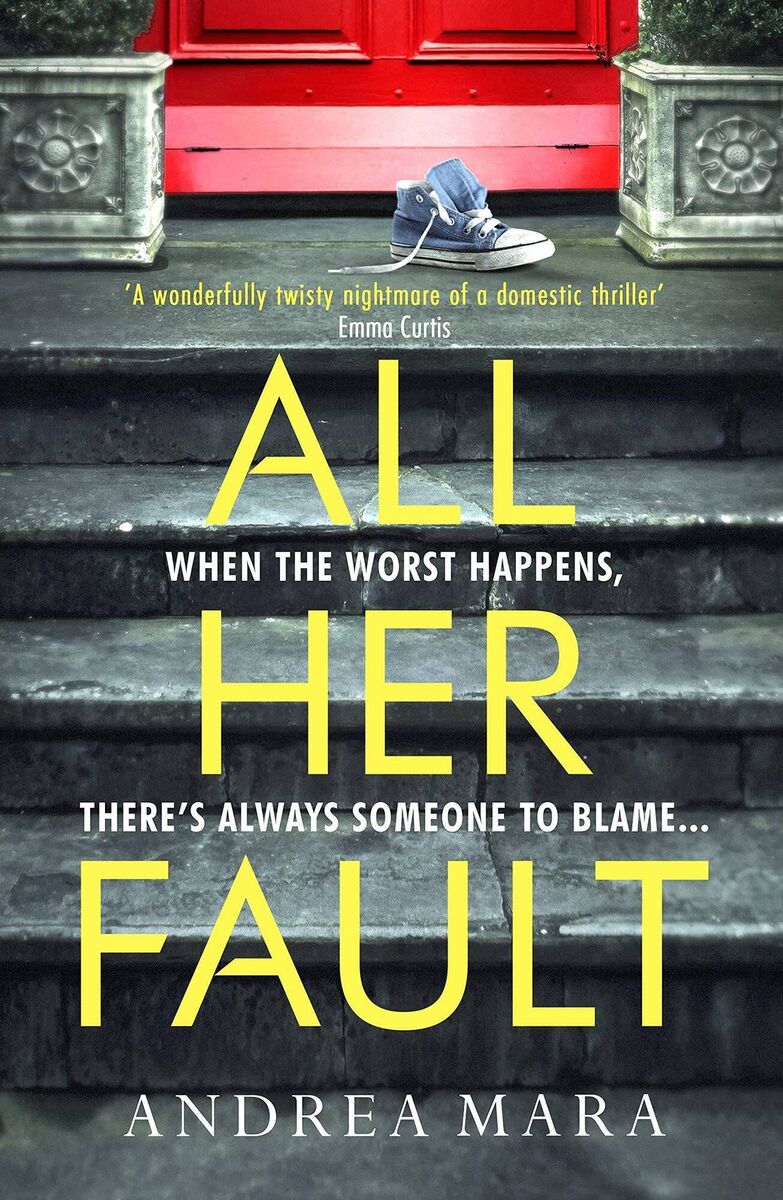
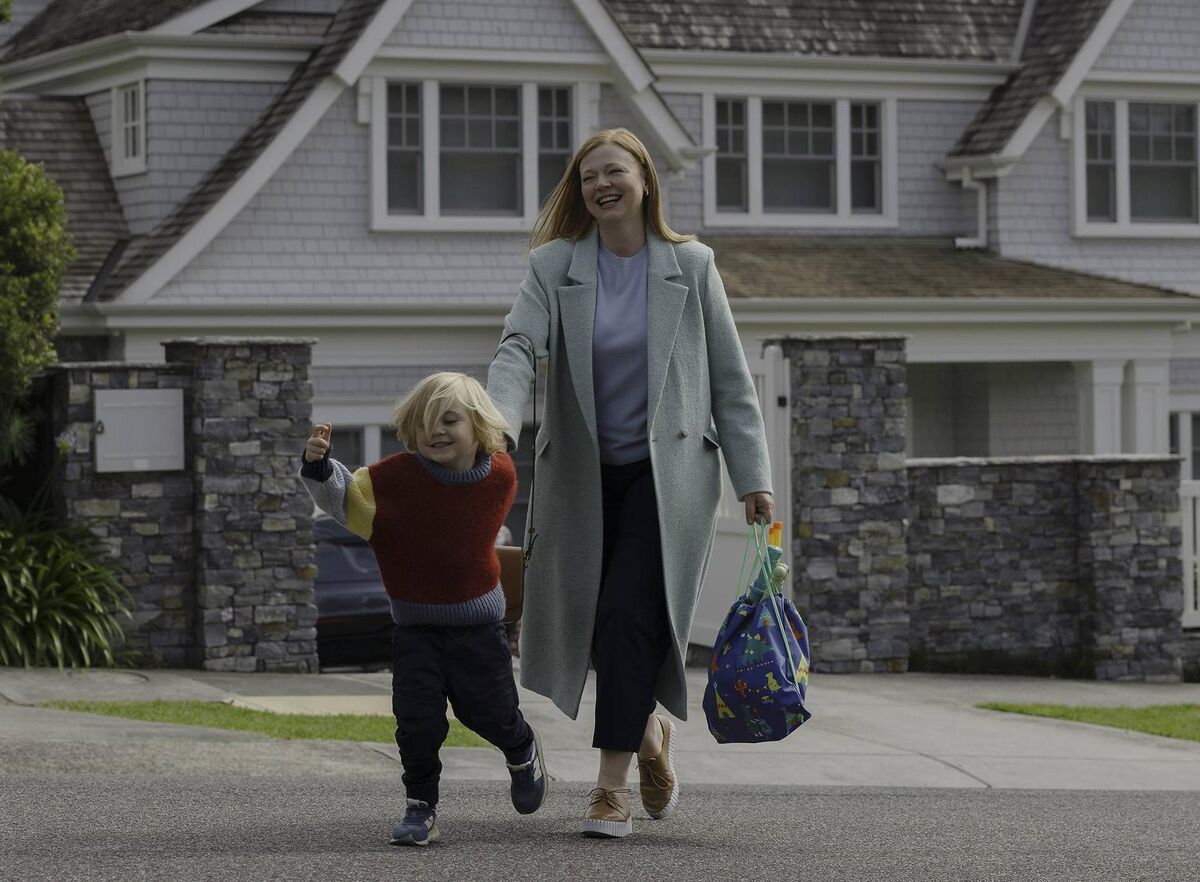
Andrea Mara, whose thriller All Her Fault — about a young child who goes missing — was turned into a miniseries by Carnival for Peacock (and Sky Atlantic in Ireland), took a similar hands-off approach to Ryan Howard. The show had a high profile cast including Succession’s Sarah Snook and Dakota Fanning, and received two Golden Globe nominations. Like 56 Days, the action was transplanted from Ireland to the US.

All Her Fault by Andrea Mara

Mara knew from writer friends that an option is “just giving producers the right to go out and see if they can attach a writer, get a script, pitch it to commissioners”. She also knew that the vast majority of options don’t end up coming to fruition. “Usually a first option is for 18 months, and then they might extend it for another 18 months. Typically, after three years if there’s been no bites at all they’ll let it go and it reverts back to you. Then your agent can go out and shop it again,” she explains.

She would occasionally get updates from Carnival. “I’d be like, ‘oh, that’s so fun’. And then get back to writing books,” says the Dublin-based author of nine novels.

Two years in she got the call to say that Peacock had greenlit the show to go straight to an eight-part series.

“That was the ‘wow’ moment. Even for the first 24 hours, I was like, I can’t tell anyone, because this might not be true,” she says. “You thank your lucky stars. But you can never assume anything like that will ever happen again.”

Adapted from the best-selling novel by Andrea Mara, "All Her Fault" features Sarah Snook as Marissa Irvine Emmy nominee Jake Lacy, Dakota Fanning and Michael Peña 

One of the most surreal moments was being at the premiere, seated just a few feet from Dakota Fanning. “She’s watching herself for the first time, pretending to be this person that I made up. Sarah [Snook] was sitting a couple of rows down from her. It was like, ‘this is the craziest thing that has ever happened’,” says Mara.

Like Ryan Howard, she got to visit the set, where she learned about “the amount of times they film each scene from each angle, and the fact that the actors don’t necessarily stick to the script precisely. Which I think is great … they did change little bits here and there during each iteration of the same thing.”

Looking back at the process, Mara’s main feeling is of luck, especially as the head of Carnival picked up the book after reading a review. “If a different reviewer had been in charge of the reviews that day and wasn’t so into domestic psychological suspense, none of this would have happened.”

Now that the series has aired, a big learning is that she’d like to be more involved next time. “I think it would be so

cool to sit in on a writer’s room and get involved in throwing around some ideas about the additional plot lines and storylines,” she says.

Being more involved can really benefit an author — think of Maggie O’Farrell, who was convinced by director Chloé Zhao to co-write the script for the adaptation of her novel Hamnet, and ended up being nominated for an Oscar.

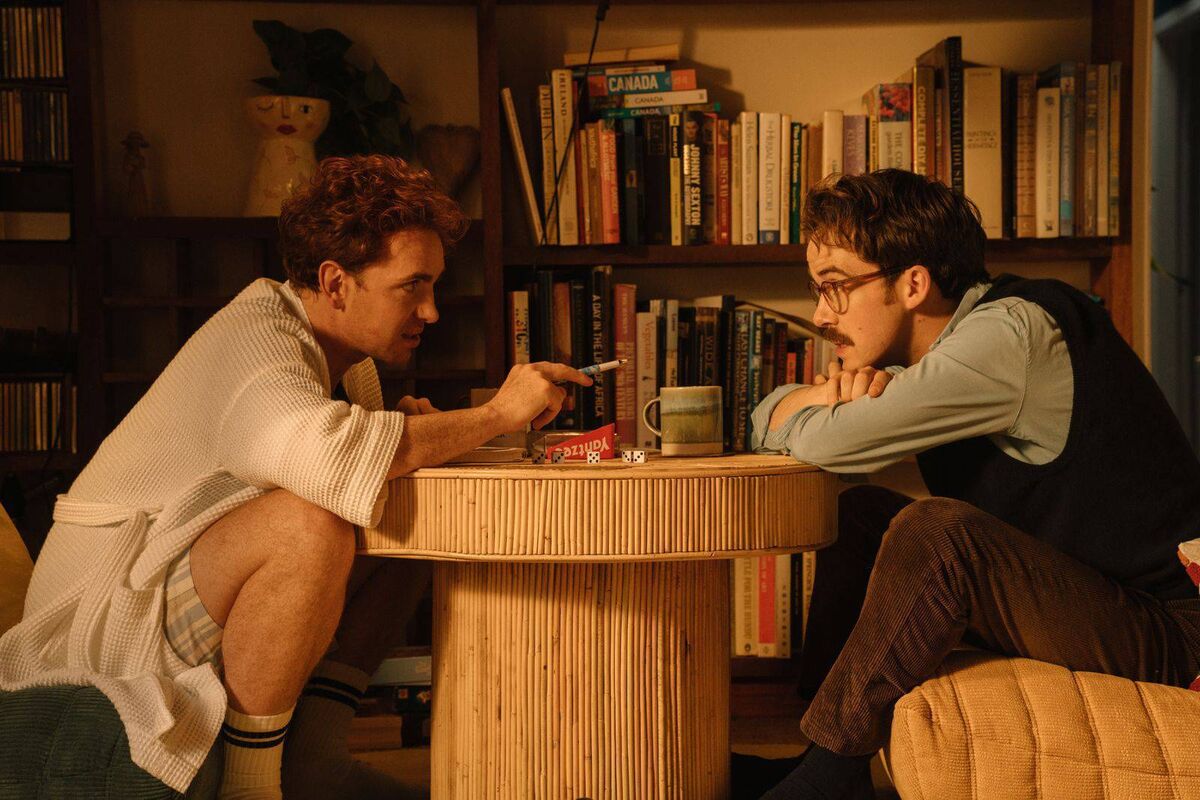
While authors understand the pace of the publishing world, the screen world can be a mystery to them. Author Rónán Hession’s debut novel Leonard and Hungry Paul was optioned by Irish production company Subotica for a BBC Northern Ireland series. He met the producers a few times a year. Then one February afternoon he bumped into Tristan Orpen Lynch of Subotica. “I said, ‘How are things?’ and he said, ‘Oh, we’re casting next week, and we’re shooting in March’,” says Hession.

Author Rónán Hession’s debut novel 'Leonard and Hungry Paul' was optioned by Irish production company Subotica for a BBC Northern Ireland series.

Hession had feared that anxiety about fidelity to the book could “kill it”. So he was happy that the scriptwriters Mark Hodkinson and Richard Conway added some characters and moved around plot points. “They’re good calls, really clever,” he says. A huge coup was getting Julia Roberts to narrate the series, as she was already a fan of the book. Hession originally didn’t like the idea of a narrator in general, but afterwards decided Subotica “were completely right”.

He learned while reading the scripts for the series how different they are to a novel.

“When I first saw the pilot script, I was like, ‘is this it?’” he says. “But when I saw it on screen, I was like, oh yeah, you have to add the performances, the lighting, the music.” He realised that if he had written the script he “would have just filled it with unnecessary narrative clutter”.

Having a background in music meant Hession understood that working with creative people necessitates giving them space. The only cast member who wanted to talk to him about their role was Alex Lawther (who played Leonard, alongside Laurie Kynaston as Hungry Paul and Jamie-Lee O’Donnell as Shelly).

“He wanted to know where Leonard came from, or what kind of person Leonard was for me,” says Hession.

When writing Leonard and Hungry Paul, Hession “felt really calm”, and says that seemed to transfer into the making of the TV show. “[Director] Andrew Chaplin created a very relaxed set. Everyone was saying ‘this has been really calm’,” he says. “You feel it, I think, on screen.”

Hession’s publisher Bluemoose Books deals with an agency for screen options. “It’s not that they take your book and that they make money from it. The writer is ultimately licensing it,” says Hession. He’s had discussions about optioning his other books, Panenka and Ghost Mountain, but his main priority has been concentrating on writing his next novel, Richard Heart Julianne.

But what draws producers to books in the first place? Emma Norton is a producer with Element Pictures who executive produced the drama Normal People, based on Sally Rooney’s novel. “There are a lot of excellent Irish writers producing very original and relatable work at a high standard,” she says. “That’s a very attractive resource for producers working across the English language market — so producers from the UK and US are all paying a lot of attention to both new and classic Irish titles.

“The continued international boom for Irish
acting talent means that these titles can be cast at a very high level. TV and film production is always slightly trend led, so one great Irish success will lead to another, as there is a proven interest in great Irish stories and Irish characters.”

Producers are looking for things such as “great characters, a fascinating world, a compelling plot”, says Norton. “If we read a book that makes us care about the characters and their experiences — that’s the first big step to thinking it could be interesting for adaptation, because engagement is such a key feeling in the competitive world of telly.”

The growth of streaming has resulted in even more opportunities for authors over the last decade — even if they’re not hugely famous to begin with. For example, formerly cult author Mick Herron has sold millions of books since his Slough House series was turned into Slow Horses by Apple TV. “[Streaming has] shaken up drama series. Whereas before everybody wanted to get a movie made,” says Crowley.

Michael McLoughlin, managing director at
Penguin Random House Ireland (which published Mara and Ryan Howard’s books), says that authors can really benefit from a screen adaptation.

“We’ve seen time and again that a successful adaptation leads to a significant uplift in book sales,” he says. “The success of recent Irish adaptations has given commissioners confidence that Irish books can resonate with audiences around the world, creating momentum for the next wave of authors.”

But while an adaptation is the dream, Crowley cautions that: “If you do sell your rights, the story may not appear on screen the way you wrote it, because it’s another creative process”.

So she urges authors to “go with the flow, enjoy it and embrace it”.

Ryan Howard agrees. “If it happens again, I will be doing the same thing. I will be saying, ‘Here’s the book. Thanks very much. Invite me to the premiere’.”

Other TV adaptations to watch out for…

Boys of Tommen (Prime Video)

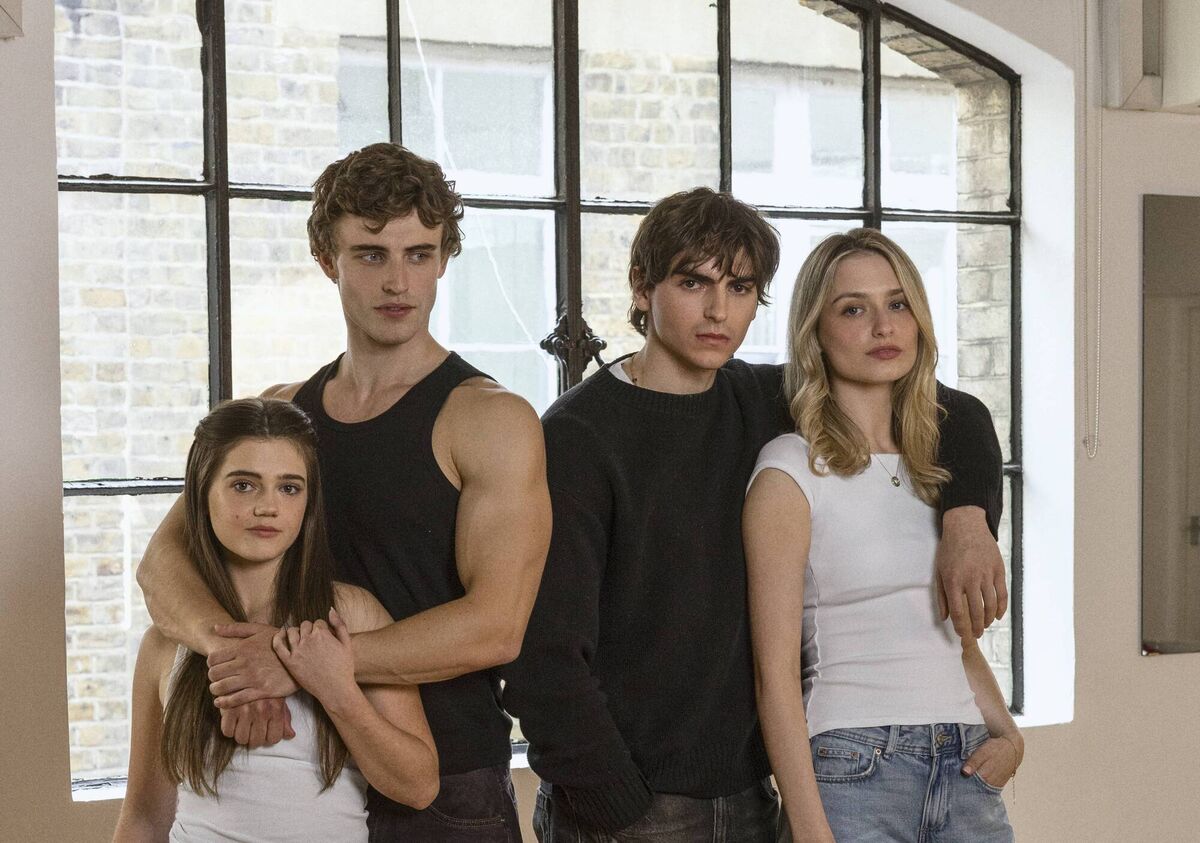
Nancy Surridge, Conor Sánchez, James O'Donoghue and Sophie McGibbon join Boys of Tommen

Cork’s Brendan Canty is directing this production of Chloe Walsh’s young adult series Boys of Tommen, about a group of rugby players at the fictional Tommen College. Think Off Campus, but in Cork. The cast includes newcomers such as Nancy Surridge and Conor Sánchez.
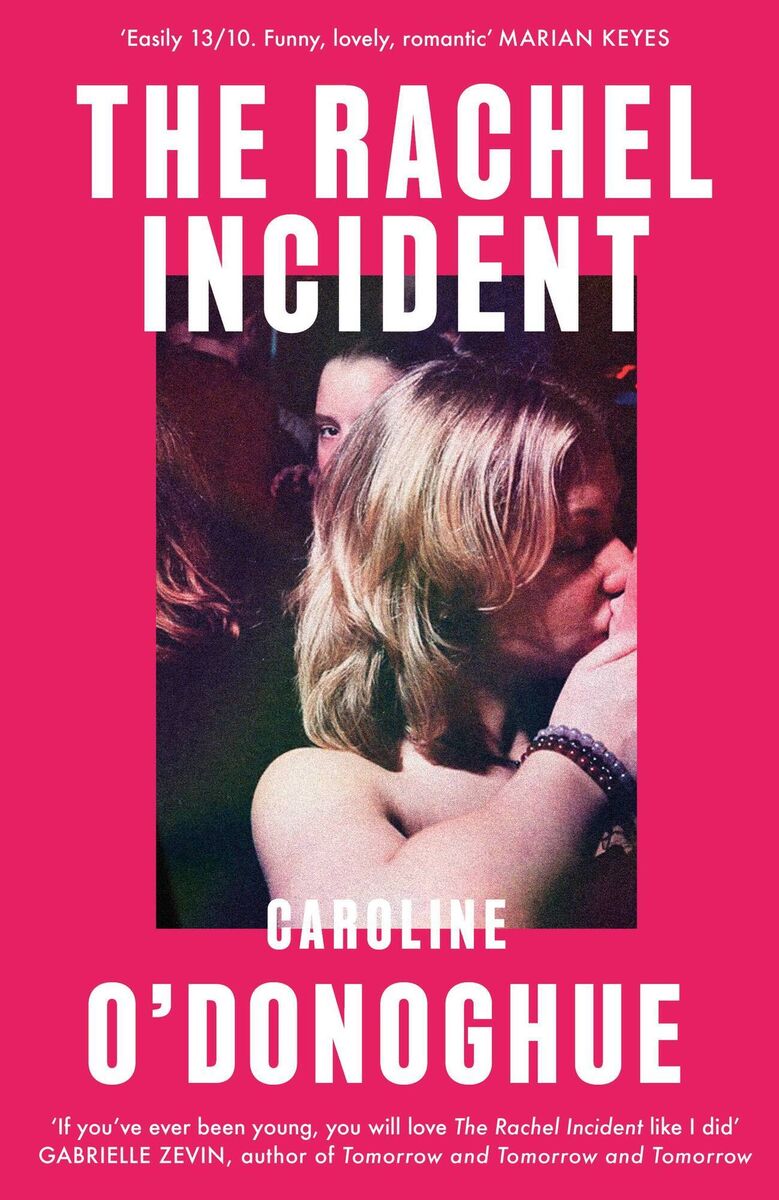
The Rachel Incident (Channel 4)

The Rachel Incident by Caroline O'Donoghue.

Caroline O’Donoghue is penning the script for the TV series of her coming-of-age novel The Rachel Incident, which is being made by Element, UCP and Elliott Page’s production company Page Boy, for Channel 4. Set in Cork, some of the series has also been filmed there. The cast includes Máiréad Tyers and Sarah Greene.
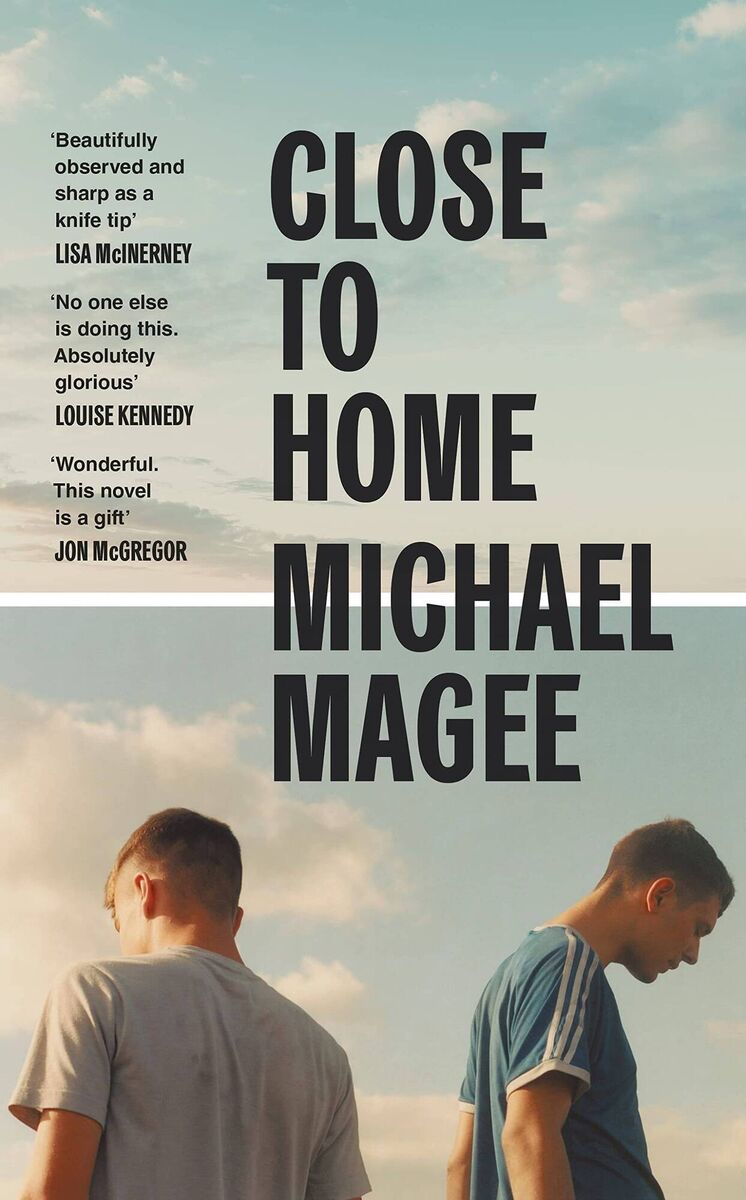
Close To Home (Channel 4)

Close to Home by Michael Magee

Belfast author Michael Magee wrote the script for Close To Home, which is based on his novel about the struggles of a young man returning to West Belfast after university. Element Pictures are producing, and the cast includes Anthony Boyle (Say Nothing).

x

More in this section

Lifestyle

Newsletter

Eat better, live well and stay inspired with the Irish Examiner’s food, health, entertainment, travel and lifestyle coverage. Delivered to your inbox every Friday morning.

Cookie Policy Privacy Policy Brand Safety FAQ Help Contact Us Terms and Conditions

© Examiner Echo Group Limited