Riots in France may end like Paris '68 — and Marine Le Pen could be the biggest winner
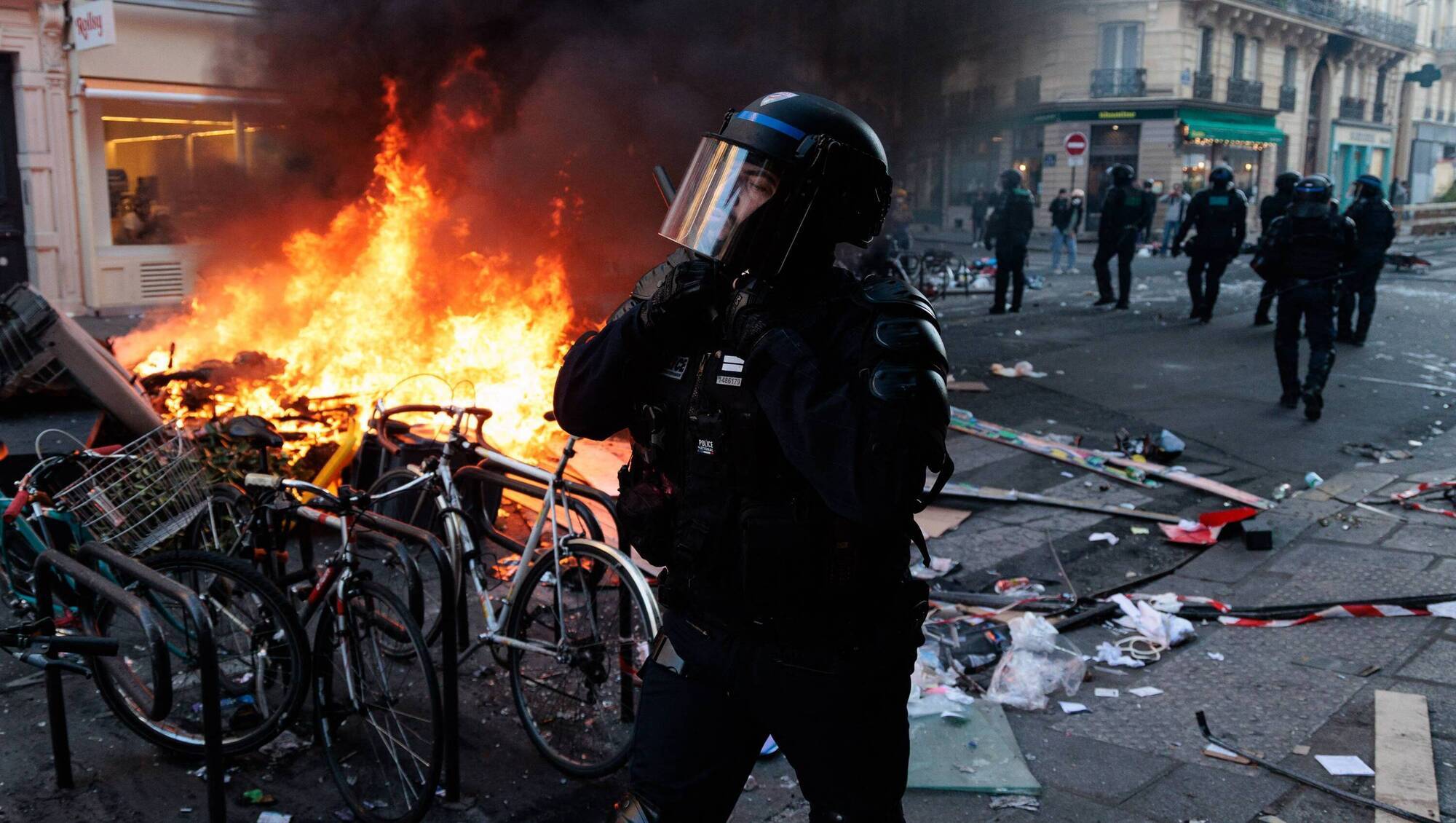
The current unrest began among school students but has since grown, with trade unions and the Yellow Vests joining them in a national day of action on Saturday. Picture: Gauthier Bedrignans/Hans Lucas/AFPGetty
When half a million people marched across France last Saturday, most of the teenagers at the front probably didn’t think of themselves as heirs to anything. Their grandparents would have recognised the scene at once.
This year marks 90 years since the Front Populaire. In the summer of 1936, with factories occupied across the country and some two million workers on strike, Léon Blum’s new government signed the Matignon Agreements.
Workers won two weeks of paid holiday, a 40-hour week, and the right to collective bargaining. Les congés payés became part of what it means to be French, and the picture of working families seeing the sea for the first time is still one of the country’s proudest images.
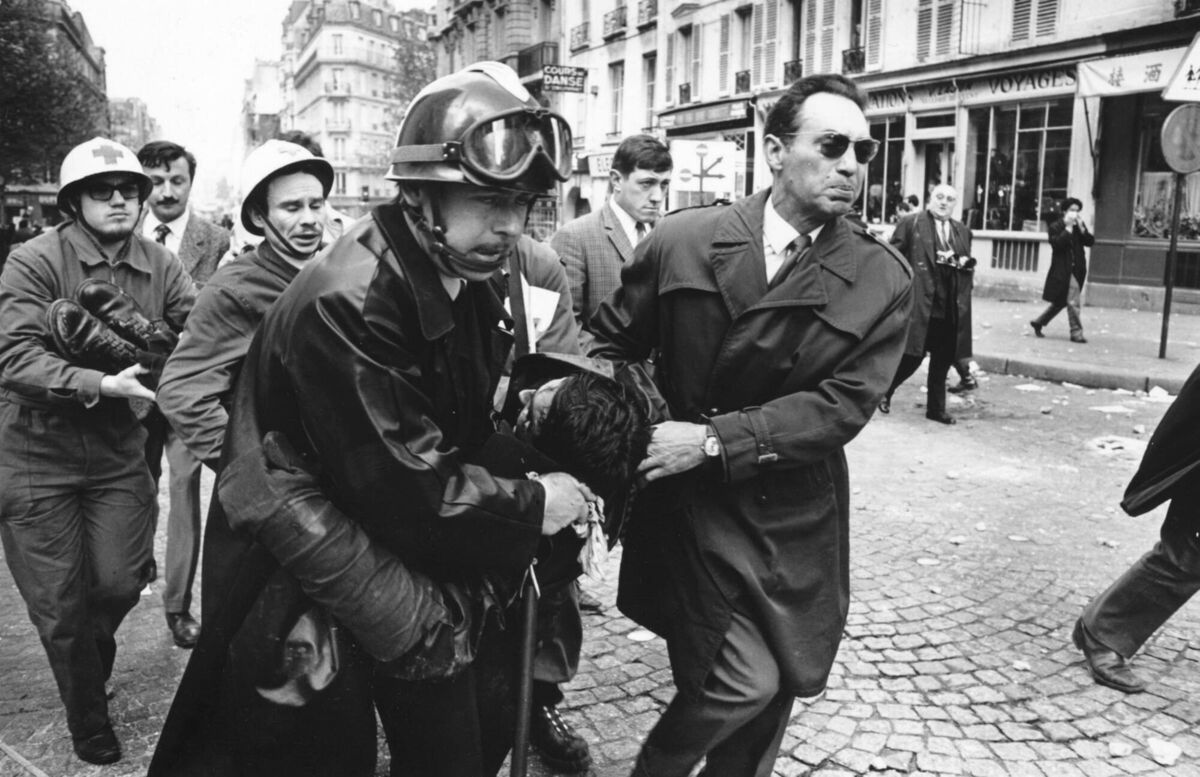
Thirty-two years later came May 1968.
It began with students at Nanterre and the Sorbonne before spreading to the factories, until more than seven million people were on strike. The Grenelle Agreements that followed raised the minimum wage and lifted wages generally.
So yes, the French love protesting. The street won in 1936 and 1968, it forced the Juppé government to retreat in 1995, and it killed a youth employment contract in 2006. When protest keeps paying off, people keep turning up.
This time, it looks like the radical left presidential candidate, Jean-Luc Mélenchon’s call for a convergence of the fights bringing students, workers, trade unionists, and Yellow Vests together to overhaul the existing socio-political system might take flight.
The movement began in school. Since September 18, lycée students have been blockading their schools, starting in Créteil in the Paris suburbs and spreading to Bordeaux, Rennes, Nantes, Lyon, Lille, and Marseille.
However, on Saturday October 17, they joined the trade unions and the Yellow Vests in a national day of action against the cost of living. The interior ministry counted about 550,000 marchers; organisers claimed 800,000.
The violence was the worst in years.
Nearly 2,400 people were arrested and almost 1,000 police officers and firefighters were injured. Limoges’s historic town hall was set on fire, and in Marseille protesters forced their way into the town hall.
Read More
The state was caught flat-footed. The CRS riot police were deployed for around 200,000 demonstrators, and more than 500,000 came. One CRS officer pointed out that a PSG against Marseille match normally gets six to eight units. His area had three.
Lycée students are 15 to 18, and they want smaller classes, enough teachers, buildings that don’t leak, and timetables that don’t exhaust them. France’s results in international tests such as PISA rankings have been sliding for years, and the students know it. This has also led to increasing educational inequalities in a system that was renowned for its meritocracy.
Students also know who is paying. Pensions take about a quarter of French public spending, and no government has put the system on a sustainable footing. Teenagers are watching their schools being squeezed while they are told to fund retirements under a system they doubt will exist for them.
The trigger is prices. Fuel prices soared because of the US-Israeli war on Iran, inflation hit 3.1% in September, and the draft 2027 budget proposes €54bn in cuts and tax measures, including what unions say would be a fourth straight freeze on the civil service pay scale.
But this is the result of more than 20 years of mismanagement. The French accepted high taxes in return for excellent public services. The services have declined but the taxes haven’t. The country runs chronic deficits on top of unsustainable debt, and still some presidential hopefuls talk about cancelling the debt or cutting €11bn from France’s EU contribution, both ‘solutions’ to France’s financial crisis which are unrealistic.
France now faces three crises at once. Its social services cost too much and deliver too little, and there is a real problem of law and order on its streets (one that has nothing to do with immigrants, whatever Donald Trump or Elon Musk may say). Its political system is paralysed, so passing a budget or any significant law is close to impossible. And the markets are losing patience: France now borrows at higher rates than some of the countries bailed out in 2010 and 2011 such as Portugal or Greece.
Then there are the broken democratic promises. Emmanuel Macron arrived in 2017 promising to do politics differently and give citizens a real say. The Citizens’ Convention on Climate produced nothing.
The grievance books filled in across France during the Yellow Vest crisis went into a drawer. Every request for more participative or direct democracy was ignored. The dissolution of the National Assembly in 2024 was the last straw, leaving three large blocs each convinced it has the right to govern.
One man has been waiting for this moment.
Jean-Luc Mélenchon and La France Insoumise have spent weeks calling for convergence of the fights. The model is obvious. It is 1968, when students and workers together brought the state to its knees.
LFI’s ambition goes well beyond a pay rise. The party wants to end the Fifth Republic and replace it with a Sixth, and it would happily see Macron’s government fall before next April. A country paralysed by strikes and blockades serves that purpose.
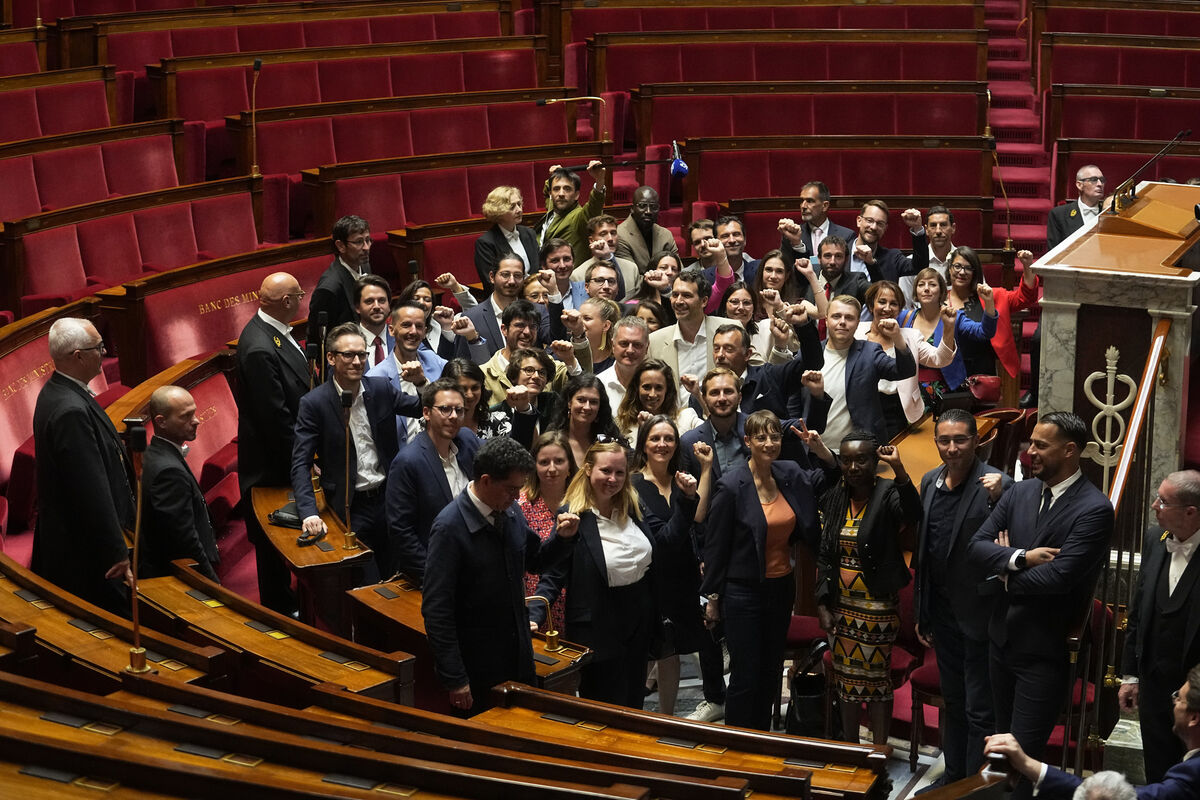
Mélenchon eventually condemned the level of violence, saying that setting bins alight does nothing for the cause and only produces images that hurt it. But that is advice about tactics, not a change of goal. The government, for its part, accuses LFI and its “ultra-left proxies” of being behind the whole movement.
Partly. Macron blamed the violence on insurrectionist far-left elements joined by criminals, and anyone who watched the Yellow Vests will recognise the casseurs. They have little to do with the protesters. They arrived late in the day, split into small groups to move from street to street, and regrouped while police in heavy vehicles struggled to follow.
They smashed LVMH and Darty stores and small family businesses alike. Those who got caught were largely the opportunistic looters.
But blaming the far left for the movement itself is a convenient way of not listening. The great majority marched peacefully. Macron himself admitted that peaceful protesters should never be confused with rioters, and that people have a right to think fuel is too expensive.
Mélenchon should remember how 1968 ended though.
The strikes won higher wages, but a month later Charles de Gaulle called elections and won in a landslide. Voters frightened by disorder ran to the party of order.
For 25 years I have been asked whether Marine Le Pen can win the presidency, and I have always said no. This is the first time I think she can get the numbers.
She is the party of law and order, the traditional right has collapsed, and every burning town hall makes her case for her. If LFI gets its convergence, Le Pen may be the one who collects the prize in April 2027.

CONNECT WITH US TODAY



Be the first to know the latest news and updates