Palestine cannot wait any longer for international action on Israel
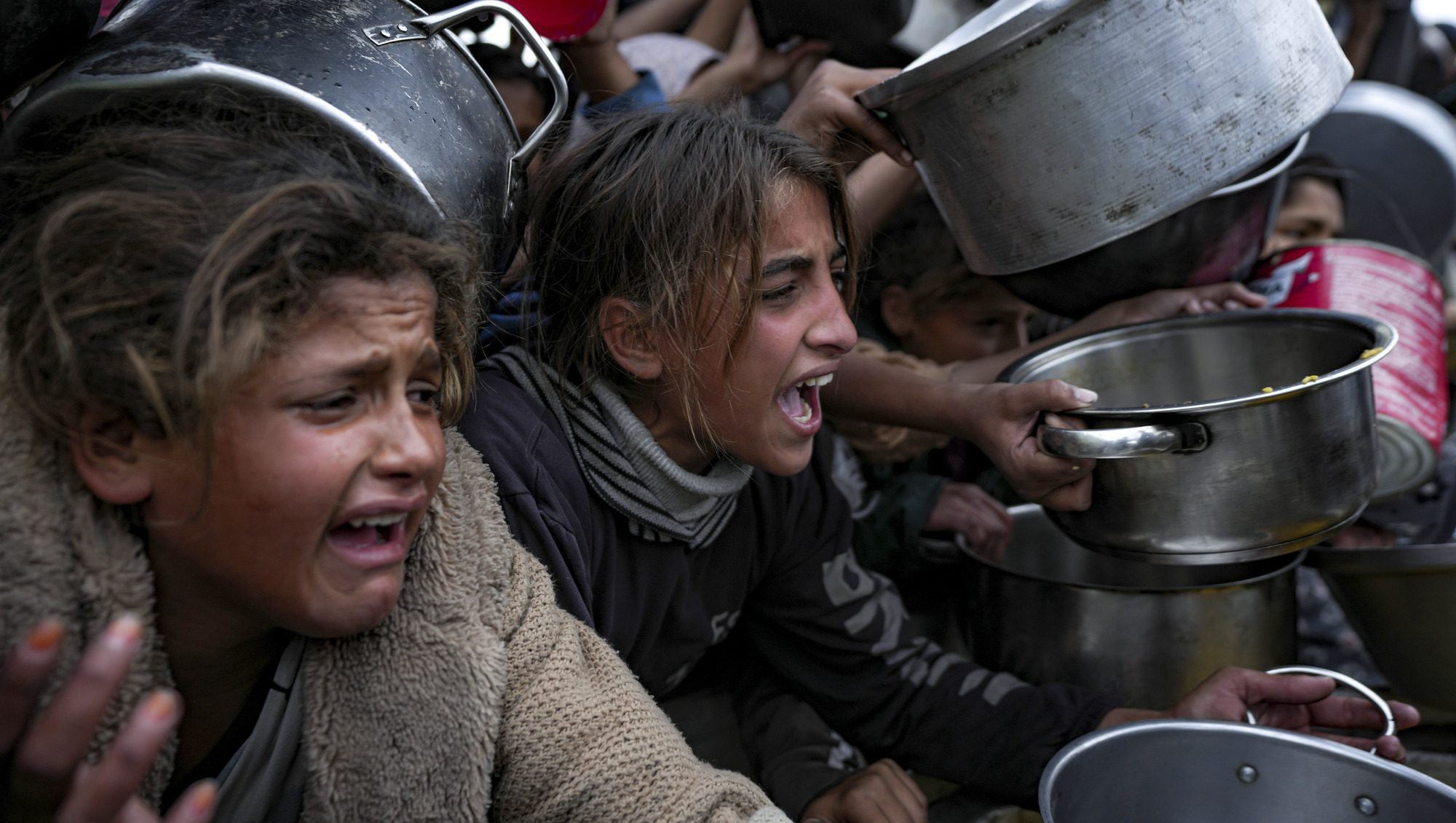
Palestinian girls struggle for food at a distribution center in Khan Younis, Gaza. The bombardment and invasion are compounded by Israel’s blockade of hundreds of everyday essentials including medical kit in Gaza.
This week marks three years since the start of the genocide in Gaza. Following the horror of the Hamas attacks in Israel, brutal violence was inflicted on an already besieged population in Gaza.
Three years of attacks by the Israeli army have killed 74,000 and injured tens of thousands of Palestinians. An estimated 20,000 children are orphaned. Israel razed much of Gaza to the ground and left almost the entire population displaced.
The reality is there was never a real ceasefire in Gaza. Instead, in full view of the world, the Israeli army has continued to kill and injure hundreds of people, pursuing its strategy of death, expulsion, and colonial domination. Since the so-called ceasefire was called a year ago, the Israeli army has killed almost 1,400 people.
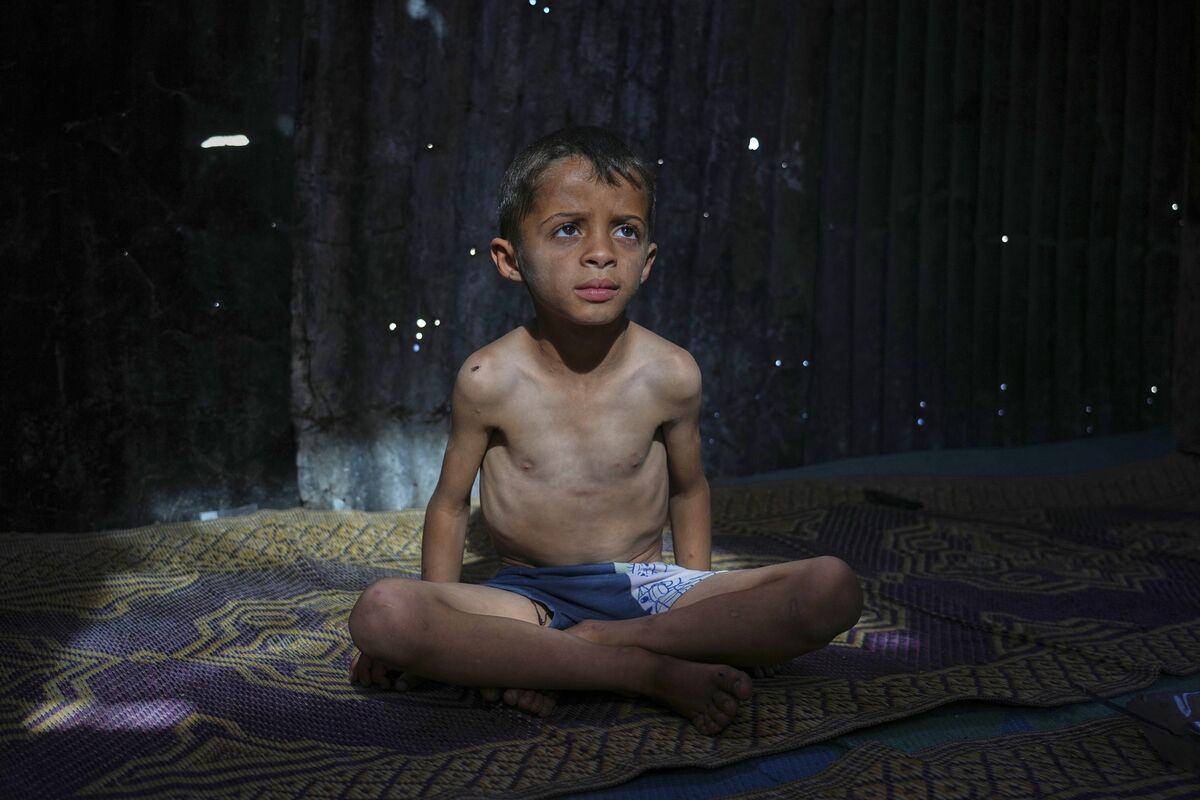
For Palestinians who are enduring violence, hunger, and loss, the reality is that the war is far from over, as they still live a daily nightmare trapped in appalling and deteriorating conditions, deprived of the means to start rebuilding their lives.
Humanitarian aid remains blocked from getting into the country, with vital border crossings still closed, resulting in a catastrophic situation. Almost everyone in Gaza today is struggling to access enough food, water, education and health services.
Vital medicines including cancer medications, chemotherapy, and radiotherapy supplies, dialysis materials, and insulin, are not getting in due to underfunding and because they have not received clearance from the authorities to enter Gaza.
Read More
Living conditions are extremely crowded and dangerous, with people forced to exist among the ruins of their former lives and an estimated 61m tonnes of rubble. Action Aid partners on the ground say rodent infestations and disease are widespread.
Over 80% of structures in Gaza have been destroyed or damaged over the last three years, and 94% of people urgently need support with shelter, as 65% of households in Gaza are still living in tents or makeshift shelters.
Israeli-controlled military zones and ‘yellow line’ areas now cover around 65% of the Gaza Strip, according to the UN.
Gaza is facing the worst economic crisis in history with 90% of working-age people unemployed. Around 200,000 children are estimated to remain without access to any form of structured learning. The methodical destruction of entire neighbourhoods and the denial of humanitarian assistance is aimed at a permanent demographic shift in Gaza.
Meanwhile, winter is approaching in Gaza, and much of the population face months of misery living in makeshift shelters which will do little to protect them from heavy rains, strong winds, and freezing temperatures. Heavy rains are coming and 451 displacement sites, hosting more than 460,000 people, have already been identified as being at high risk of flooding.
Women and girls have been hit hard. Access to essential services such as maternity healthcare and safe spaces has been severely disrupted. Data from the Palestinian ministry of health shows 3,958 miscarriages were recorded during the first six months of 2026 — a shocking figure and likely an underestimation.
Women in displacement camps and shelters report a stark loss of privacy and safety, often facing gender-based violence, harassment, and abuse in overcrowded shelters and unsafe environments.
Meanwhile, the West Bank is facing ethnic cleansing on an accelerated level. Life is increasingly becoming unliveable for Palestinians who face unprecedented levels of violence from both Israeli soldiers and state-backed settlers, mass displacement, and ever more restrictions on their freedom of movement.
What is happening to Palestine has global effects. Israel is facing growing backlash and diplomatic pressure from several of its traditional partners over its illegal and inhuman policies in the occupied Palestinian territory and its miliary actions in the region.
In July, Ireland passed the Occupied Territories Bill. Long fought for by campaigners and politicians, it is a minimal step towards accountability.
However, by excluding services, the legislation does not fully reflect Ireland’s obligations under international law. Companies will still be able to profit from services connected to illegal settlements, despite the Government acknowledging that such trade should cease.
Ireland’s move was followed in September by Britain, which announced plans to ban imports from illegal Israeli settlements, and to widen sanctions against individuals and companies supporting or profiting from settlement activity. The proposed trade restrictions will require legislation, expected within six to nine months. The British government in effect went much further than Ireland by including services.
We have so much more to do to fully comply with international law and help ensure accountability for violations of international law. Ireland has its part to play — we should go further and catch up with Britain, and we should push hard for Europe to suspend the EU-Israel preferential trade agreement. The last months of holding the presidency of the EU Council gives us a unique space to do this.
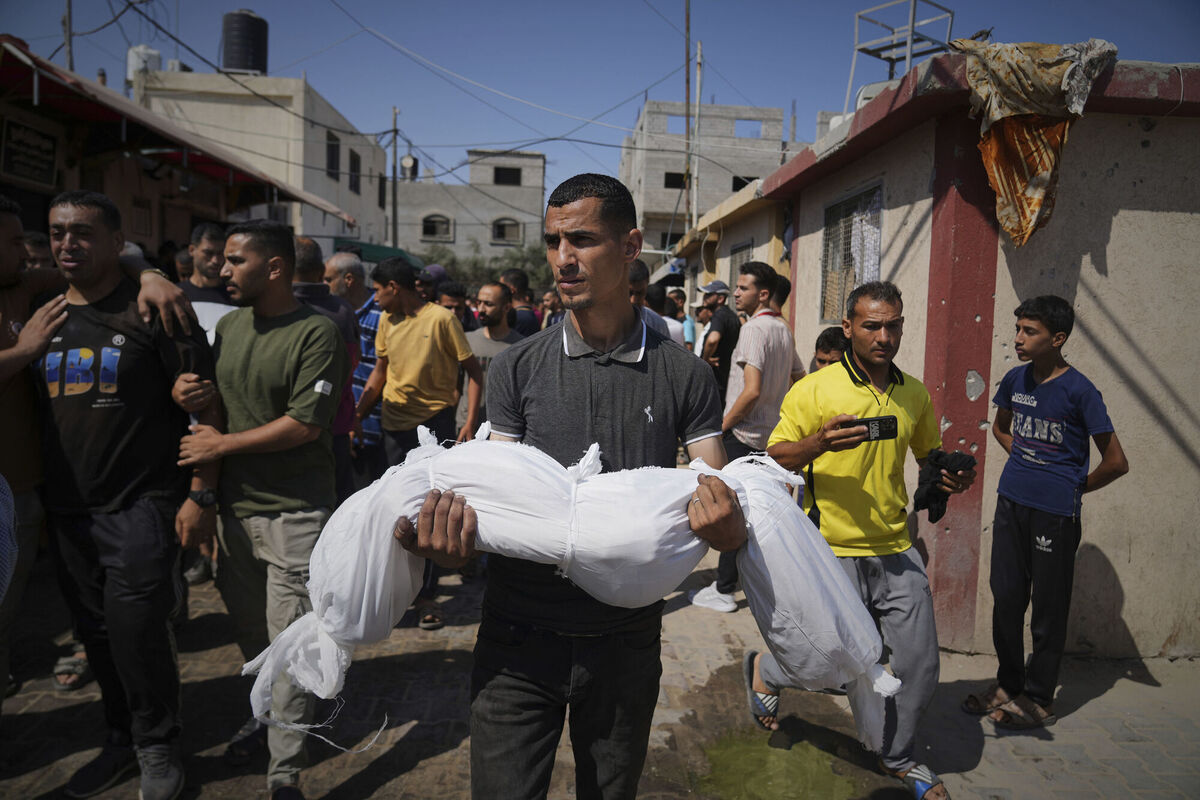
The world is much changed by what has happened to Palestine. The impact on human lives is devastating. But there is a wider global and societal impact.
The failure of states and bodies such as the EU to take meaningful action has dented multilateralism, international law, and people’s trust in such institutions. The fight for justice must continue until political action catches up with public opinion.
Nothing short of a real and permanent ceasefire that truly protects Palestinians will be enough to end the suffering of the people of Gaza and help start the long road to rebuilding their lives.
This must be followed with an end to all restrictions on aid entering Gaza, and the opening of all border crossings so fuel, food, medical supplies and heavy machinery can get in.
To reclaim our humanity there has to be full accountability and justice for all atrocities that have been committed. All alleged breaches of international humanitarian law, war crimes and crimes against humanity must be fully investigated and prosecuted.
At the centre of recovery and reconstruction must be Palestinians, and especially women and young people.
It is beyond time for the international community to impose strict sanctions on senior Israeli government officials linked to violations of international humanitarian law.
All arms sales and transfers to the Israeli government should be stopped where there is a risk they could be used in violation of international humanitarian law.
The world must not normalise what is happening in Palestine. The genocide is not over. Ethnic cleansing continues apace in the West Bank. Every day, Palestinians are forced to survive in conditions that can only be described as inhuman and apartheid.
The impunity must end. There must be justice for Palestine.
- Karol Balfe is the CEO of Action Aid Ireland, an international women’s rights organisation that delivers life-saving humanitarian assistance and resilience-building programmes across the Gaza Strip working through long-standing local partner organisations.


CONNECT WITH US TODAY



Be the first to know the latest news and updates