Myanmar genocide ruling: Why the ICJ decision matters for South Africa's case against Israel
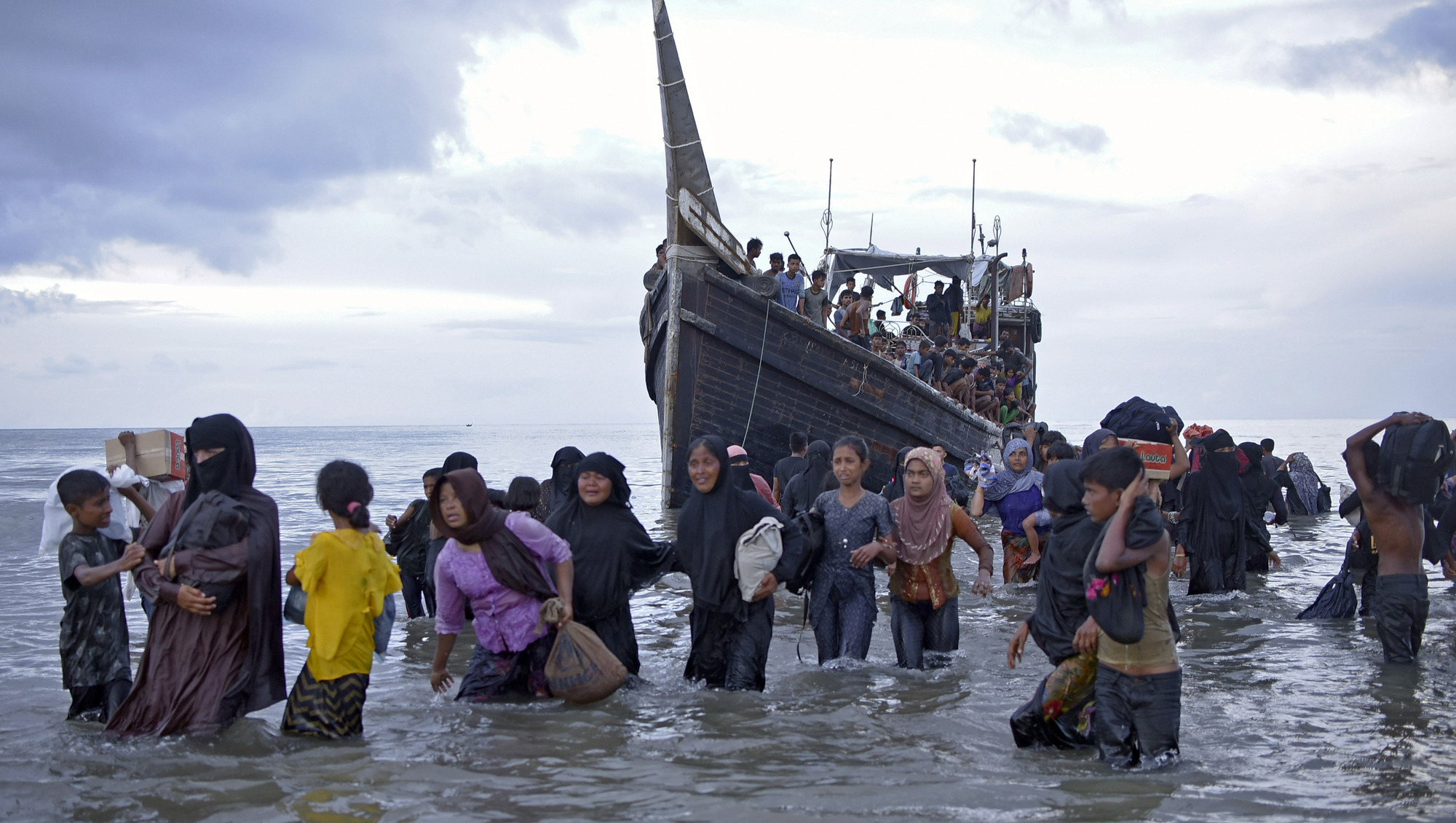
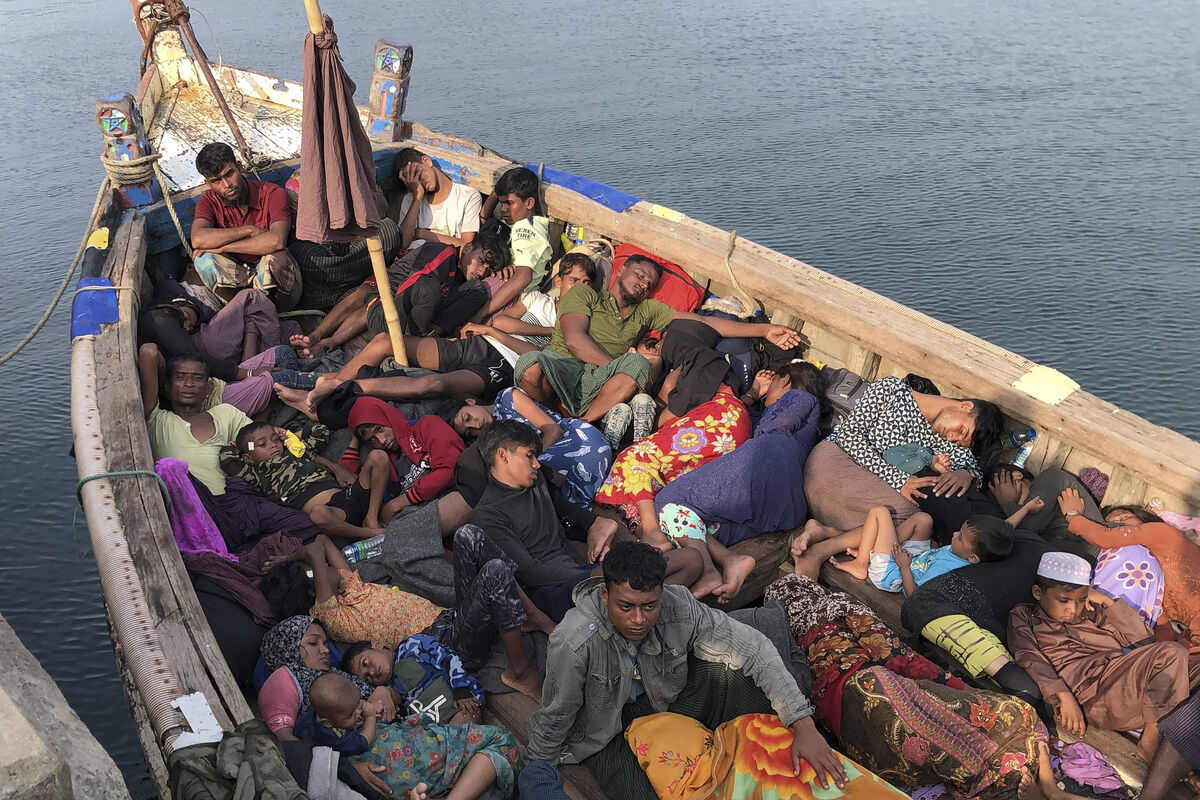
Ethnic Rohingya disembark from their boat upon landing in Ulee Madon, North Aceh, Indonesia, Thursday, Nov. 16, 2023. (AP Photo/Rahmat Mirza, File)
Myanmar has been found to have committed genocide against the Rohingya minority by the International Court of Justice (ICJ), in a landmark ruling that could have major implications for international law and South Africa’s genocide case against Israel.
It is the first time in the world’s top international court's 80-year history that it has ruled that a state committed genocide.
It is also the first time a state not directly involved in a conflict has brought a genocide case against another country before the court.
The case stems from the persecution of the Rohingya, a Muslim minority concentrated primarily in Myanmar's northern Rakhine State. The Rohingya have faced decades of persecution in Myanmar, a Buddhist-majority country.
Violence escalated in August 2017, when Myanmar's military, known as the Tatmadaw, launched large-scale “clearance operations”.
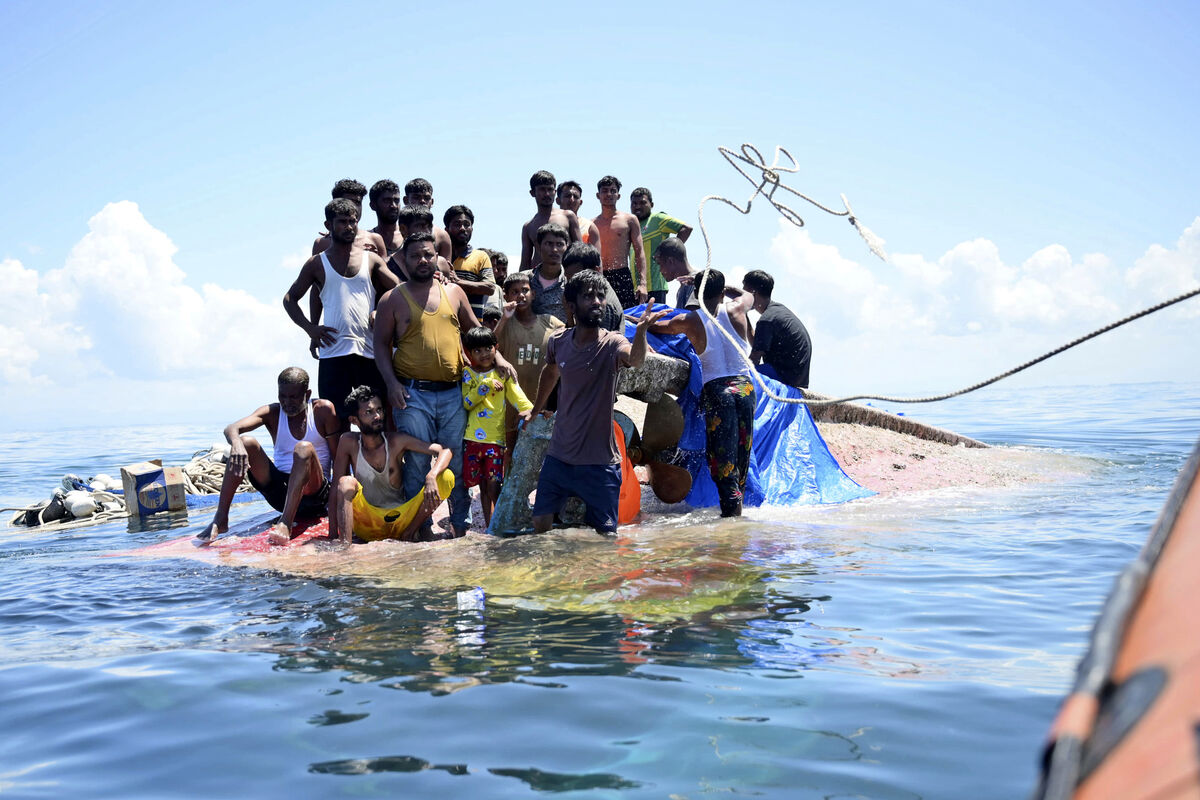
During the operations, thousands of Rohingya were killed, often indiscriminately, while more than 700,000 people were forcibly displaced. Homes were burned and thousands of people suffered sexual violence.
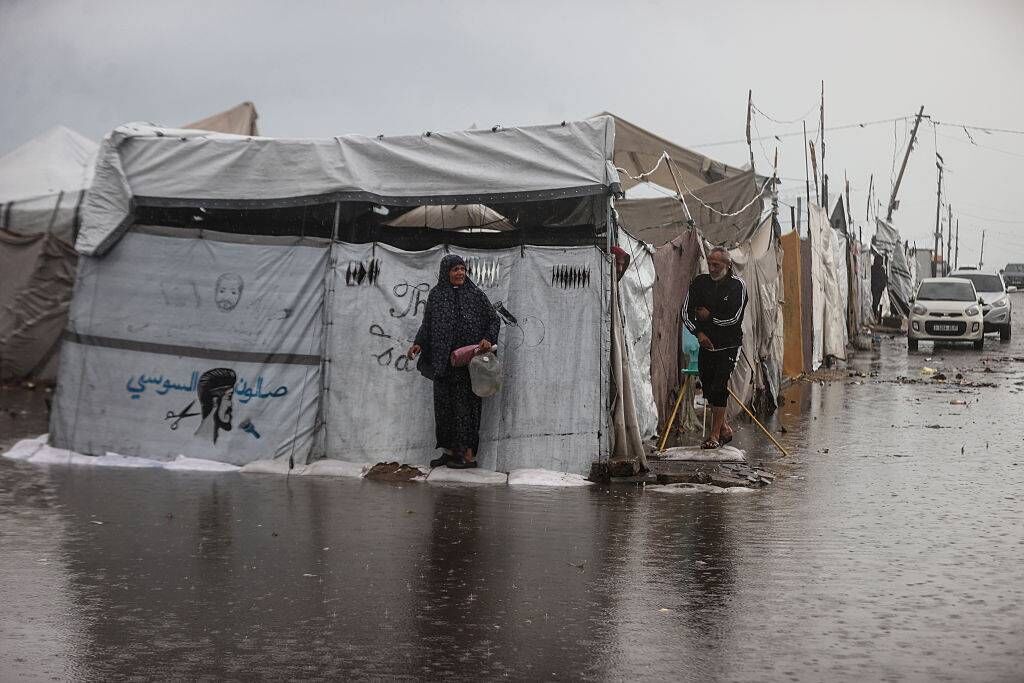
More than one million Rohingya now live in the world's largest refugee camp complex in Cox's Bazar, in south-eastern Bangladesh.
At the time of the clearance operations, Myanmar was led by former Nobel Peace Prize winner Aung San Suu Kyi, while the military operated outside the control of the country's civilian leadership.
The court found that Myanmar had made no effort to investigate potential genocide by its military and had failed to punish those responsible for genocidal acts.
It also found that the rights of the Rohingya had been progressively eroded, leaving them vulnerable, while military hate speech and targeted social media activity fuelled hostility and violence against the group.
Read More
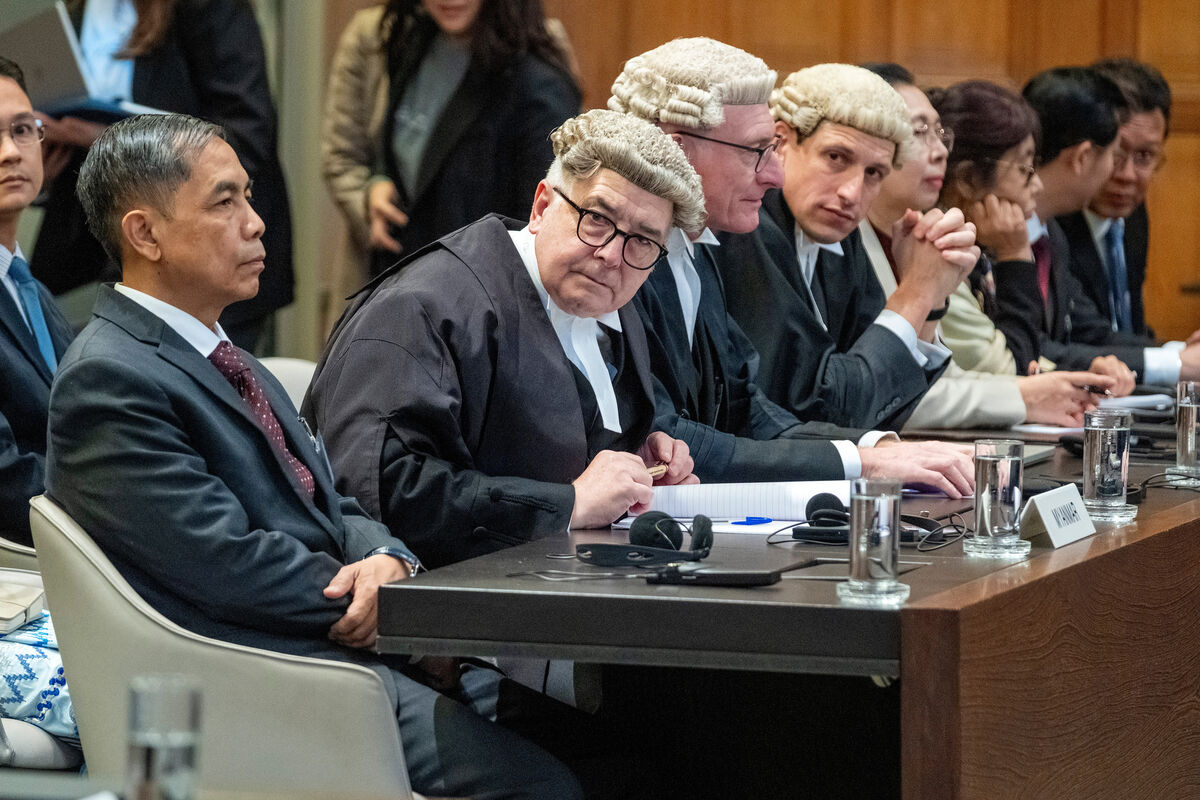
The Gambia brought the case in 2019 on behalf of the Organisation of Islamic Cooperation (OIC), a group comprising 57 predominantly Muslim member states.
In 2020, the ICJ issued a legally binding order requiring Myanmar to protect the Rohingya.
In the years that followed, United Nations fact-finding missions and other investigations gathered evidence, while witnesses gave testimony before the ICJ. The findings pointed to widespread persecution of the Rohingya.
The court found that preventing the regeneration of the Rohingya population through acts of sexual violence was an explicit aim of the campaign.
The decision to rule that Myanmar had committed genocide rested on the technical interpretation of the Genocide Convention, particularly the application of the “reasonable inference” test when establishing genocidal intent.
Historically, proving genocide before the ICJ has been extremely difficult.
Previously, the court found that genocide had taken place in Srebrenica, but could not conclude that Serbia had entered the conflict with specific genocidal intent, although it found that the country had failed to prevent genocide.
Critics have accused the ICJ's framework for determining genocide of being too restrictive. States rarely make explicit policy declarations that they intend to commit genocide against a particular group.
While Myanmar acknowledged that war crimes were likely committed during the clearance operations, it argued that genocide was never the intention behind the campaign.
The court examined the wider context, witness testimony and the systematic targeting and persecution of the Rohingya in reaching its decision.
It also considered the distinction between forced displacement and genocide, finding that displacement alone cannot establish that genocide has taken place.
In his conclusion, ICJ president Yuji Iwasawa said:"The Republic of the Union of Myanmar has committed genocide against the Rohingya group in northern Rakhine State, in violation of obligations under the Convention on the Prevention and Punishment of the Crime of Genocide."
Myanmar is required by the ICJ to investigate and prosecute individuals accused of committing genocide. The court has also required the country to compensate Rohingya victims.
Ultimately, it is up to Myanmar whether it complies with the ruling.
The country, which is under military leadership and embroiled in a civil war, is unlikely to cooperate. However, experts have suggested that accepting responsibility for genocide could be an important condition for Myanmar's eventual return to the international community.
Ireland was one of 11 countries that intervened in the case to express its position on the interpretation of the Genocide Convention.
Ireland argued that the convention should place an obligation on states not only to refrain from committing genocide but also to take active steps to prevent it.
It also argued that the threshold for establishing genocidal intent should be less restrictive to make it easier to hold states accountable for genocide.
Ireland said genocidal intent could be inferred from counter-terrorism operations – a key line of defence used by Myanmar and one that is also relevant to Israel's ongoing case brought by South Africa.
“Depending on the conduct of the State concerned over the course of that operation, it may be the case that two reasonable inferences could be drawn from the pattern of that conduct,” Ireland wrote in its observations to the case.
“Firstly, that the State authorities sought to apprehend terrorist operatives and, secondly, that they intended to destroy a protected group in whole or in part, as such.
“Likewise, for a State engaged in an armed conflict, the pattern of its conduct may admit of two reasonable inferences — firstly, that that State sought to defeat the adverse party and, secondly, that it intended to destroy a protected group in whole or in part, as such.
“In Ireland's view, the mere fact of counter-terrorism operations or an armed conflict cannot preclude the possibility that genocide has been — or may be — committed.”
After Ireland submitted its observations to the case in 2024, then Tánaiste and Minister for Foreign Affairs Micheál Martin said the intervention was intended to prevent rogue states from acting with impunity.
“We are concerned that a very narrow interpretation of what constitutes genocide leads to a culture of impunity in which the protection of civilians is minimised,” Mr Martin said.
"Ireland’s view of the Convention is broader and prioritises the protection of civilian life – as a committed supporter of the Convention, the government will promote that interpretation in its intervention in this case.”
The ruling has been described as a watershed moment for the future of the ICJ and could have significant implications for South Africa's ongoing genocide case against Israel.
The ICJ's reliance on legal precedent means its findings, particularly those concerning genocidal intent, could prove important in the South African case.
A ruling that makes it more likely Israel could be found to have committed genocide could anger the United States, potentially triggering further American sanctions against international courts and contributing to a further deterioration of international law.
The US has previously imposed sanctions on International Criminal Court (ICC) judges following the issuing of an arrest warrant for Israeli prime minister Benjamin Netanyahu.
While the US is not a party to the Rome Statute, the treaty governing the ICC, it is a founding member of the United Nations, under whose framework the ICJ operates.
Despite this, concerns have been raised that judges involved in the latest ruling could face sanctions, including Nobel Peace Prize winner Navi Pillay, who served as a judge appointed by The Gambia in the case.
Mike Waltz, the US ambassador to the UN, has previously criticised Ms Pillay and the other 15 ICJ judges, describing them as “globalist, faux judges”.
“The ICJ ad hoc judge Navi Pillay is tipping the scales on the ICJ’s current proceedings on Myanmar, intending to lower the legal threshold for proving genocide so that weakened and false standard can later be weaponised against American and allied soldiers whenever they raise a finger against terrorists that hide behind civilians,” Mr Waltz said.
Addressing Ms Pillay, he added: “We see your agenda and we’ll be watching the ICJ’s handling of these proceedings very closely.”
The weight given to UN fact-finding reports, as well as the relevance of sexual violence and attacks on women and children in establishing a genocidal campaign, could also feature in the South African case.
“What you often see in ICJ judgments, especially on contentious issues, is that certain judges will vote in certain ways,” James Patrick Sexton, an international law researcher at the Asser Institute, said ahead of the ruling.
“I could imagine a situation where (The US) targets the judges, not the ICJ as an institution," Mr Sexton said.
“I think there's capacity for more of an outcry, but I would also imagine it would be individual judges and not the institution itself.”
CONNECT WITH US TODAY



Be the first to know the latest news and updates