Colin Sheridan: South Sudan's election must finally bring its people the independence they deserve
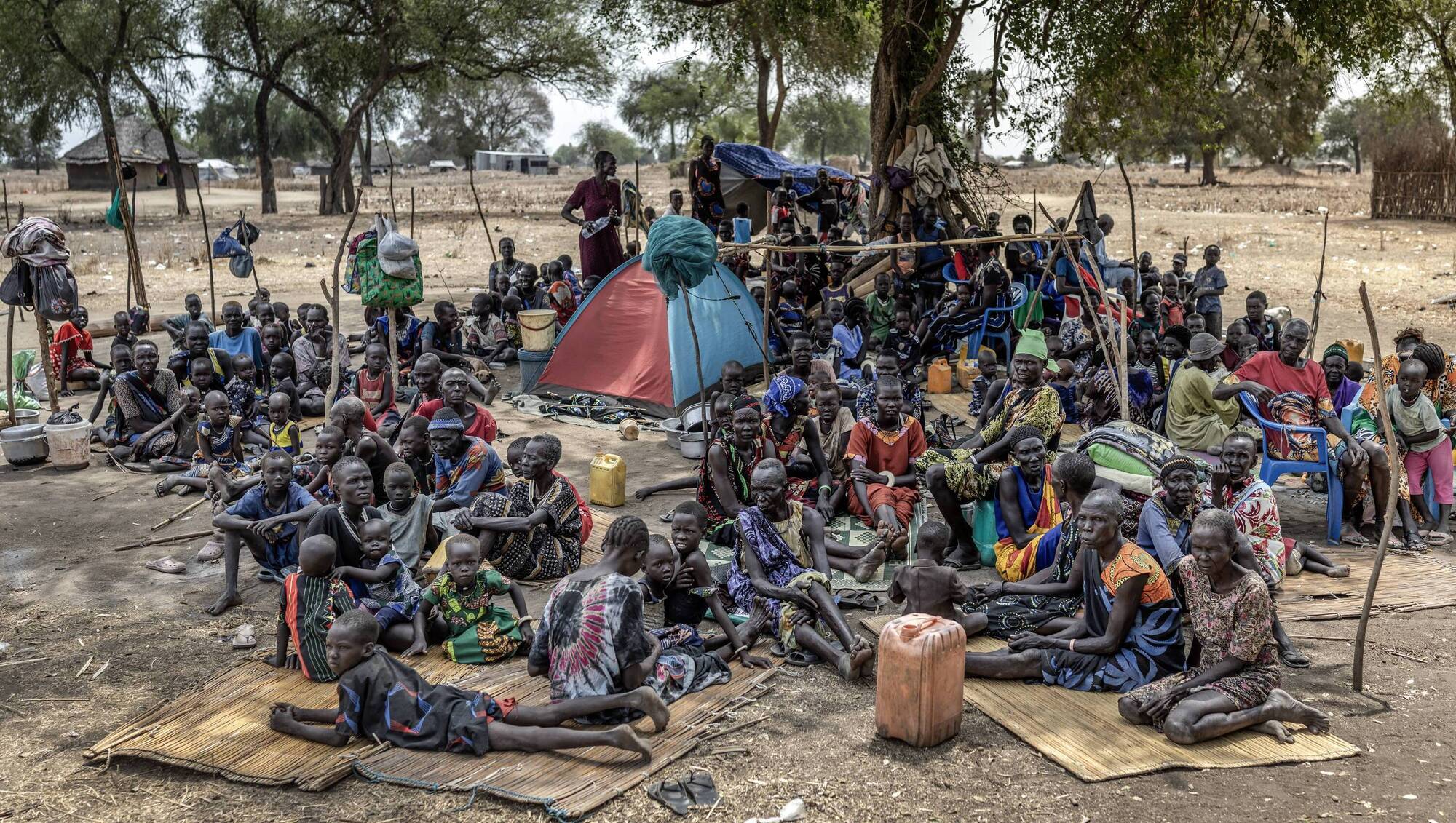
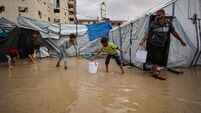
Families gather under the shade of a tree where South Sudan's displaced people have assembled at Yolakot informal camp near Mingkaman in February. South Sudan’s civil war erupted in 2013. File photo: Luis Tato/AFP via Getty Images
In South Sudan, the future has acquired another date. February 11, 2027. The country’s first national elections since independence were supposed to happen on December 22. On Saturday, the electoral commission moved them once more.
An election timetable, in ordinary circumstances, suggests institutions functioning, preparations advancing, a country approaching a destination. In South Sudan, the danger is that we mistake the timetable for the journey.
The immediate question is whether the vote will actually happen. The more important one is whether holding it would make life better for the people expected to participate.
First, a distinction easily lost in the headlines: Sudan and South Sudan are separate countries, with separate conflicts and overlapping catastrophes.
South Sudan, with a population of 12.5 million people, became independent in 2011 after decades of war with the north. Its capital is Juba.
Sudan’s capital is Khartoum, and its current war began in April 2023 between the regular army and the paramilitary Rapid Support Forces. These are not the forces contesting power in Juba.
South Sudan’s own civil war erupted in 2013, following a rupture between President Salva Kiir and his rival, Riek Machar. A 2018 peace agreement was supposed to provide a route out through power-sharing, security reform and, eventually, elections. "Eventually" has proved an exceptionally accommodating word.
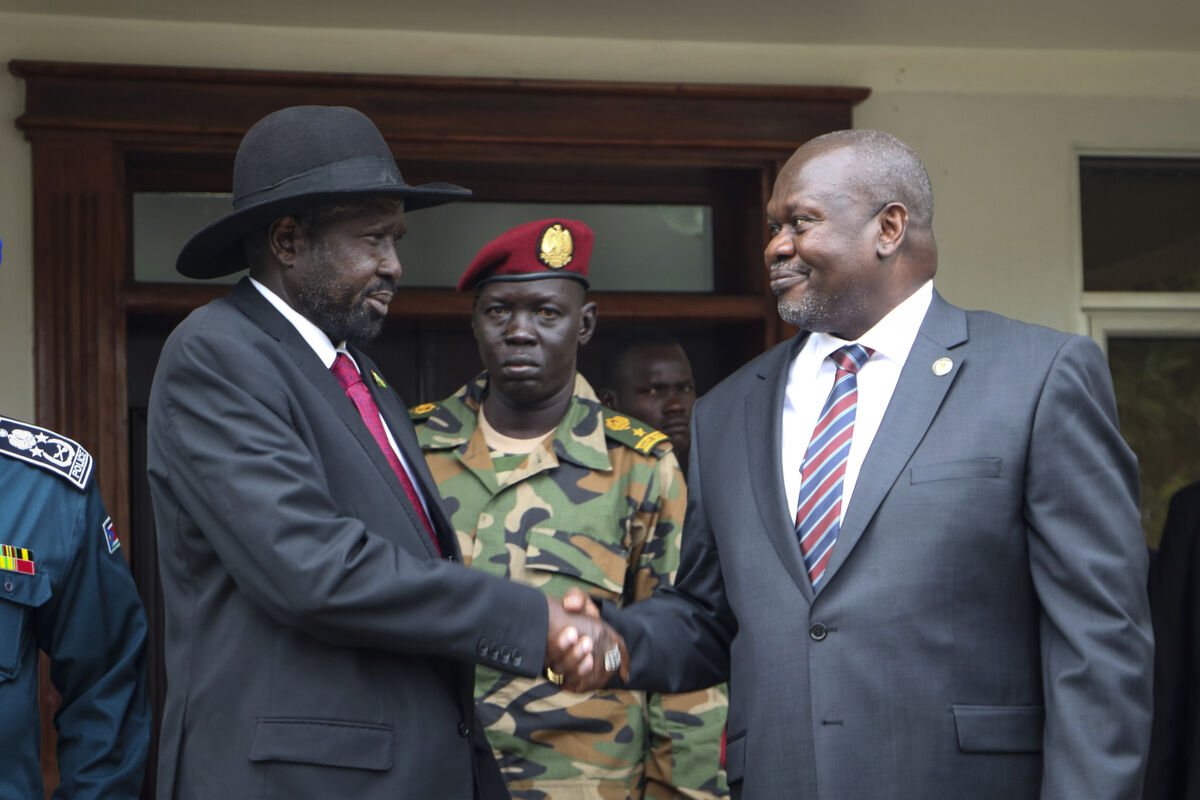
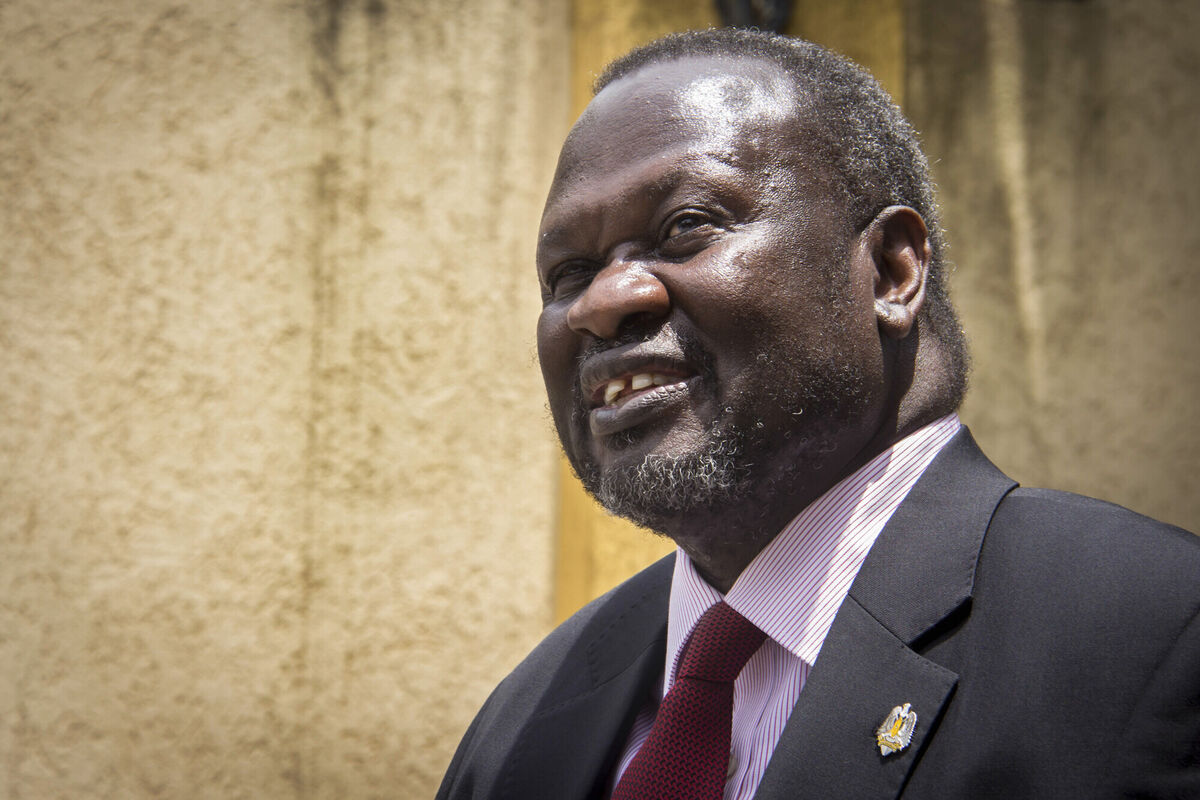
Kiir remains in power. Machar, suspended as first vice-president, remains under house arrest and faces charges including treason and murder, which he denies. Fighting escalated again in 2025. An electoral contest conducted while a principal opposition leader is detained requires more scrutiny than checking whether ballot papers arrive.
In September, Kiir dissolved the transitional government and legislature and installed a caretaker administration. Changes to the electoral framework removed the requirement to complete a permanent constitution and census before voting.
Those steps may make an election easier to organise. They do not necessarily make it more credible. There is a difference between completing the foundations of a democratic transition and removing them from the checklist.
The latest postponement gives the authorities another seven weeks. Local reporting says voter registration began on November 14 and is scheduled to continue until November 28, across 3,161 centres. That is tangible activity, but registration alone cannot resolve insecurity, funding shortages or disagreement over the rules.
Briefing the UN Security Council on November 10, mission chief Anita Kiki Gbeho reported that the ruling Sudan People’s Liberation Movement was conducting nationwide primaries while other registered parties showed very limited electoral activity. Some opposition groups remained outside political dialogue. An election needs more than a governing party ready to contest it.
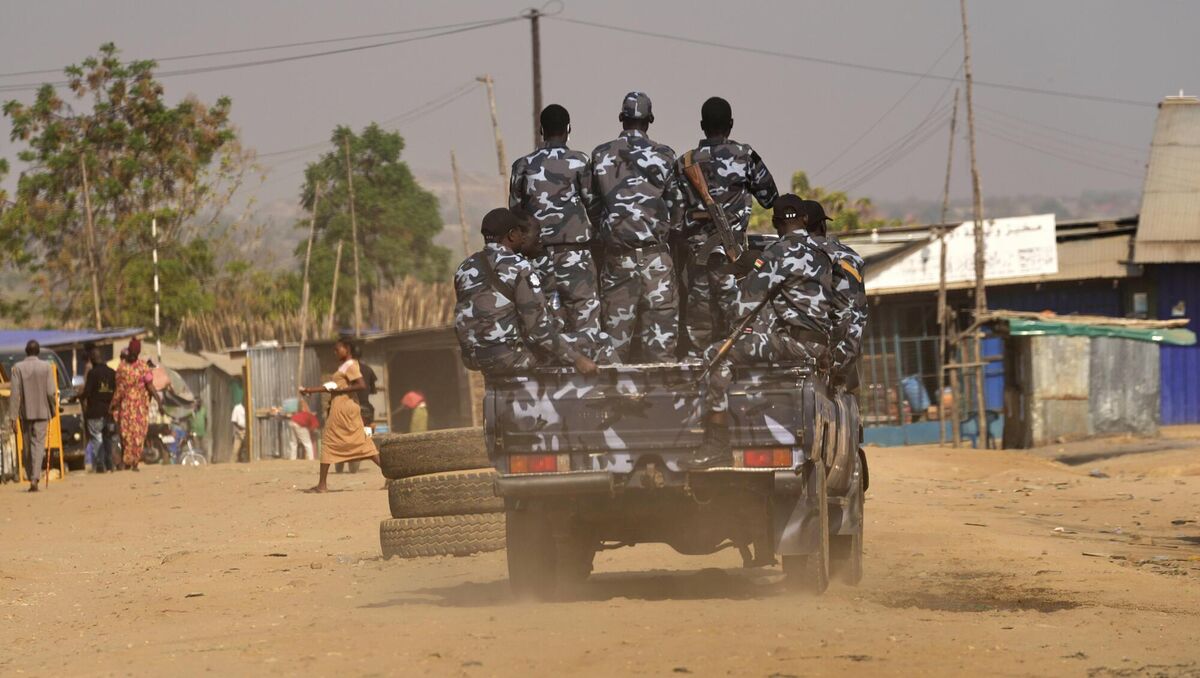
Who, then, is watching? The United Nations Mission in South Sudan, UNMISS, remains on the ground, protecting civilians, supporting humanitarian access and engaging political leaders. The African Union and the regional bloc IGAD are also involved in efforts to sustain the peace process.
But a blue helmet is not an electoral seal of approval. The Security Council Report’s November assessment notes that UNMISS has no electoral support mandate. Its presence should not be confused with an undertaking to run, observe or certify February’s vote.
The eventual scope of independent observation remains a crucial unresolved question. Credibility requires scrutiny before polling day: who can register, who can campaign, whether journalists can report freely and whether complaints receive a fair hearing.
Observers arriving to watch ballot boxes being opened cannot retrospectively make a closed political system competitive.
Meanwhile, the neighbouring war reaches deep into South Sudan. Refugees and returning South Sudanese have crossed the border in huge numbers. Disruption to oil exports through Sudan has compounded an economic crisis, weakening the resources available to communities already struggling to absorb people fleeing violence.
On November 10, Gbeho put the number needing humanitarian assistance at approximately 10 million. Restrictions on humanitarian access had increased by 38% over the previous year. These are the circumstances in which citizens are being asked to prepare for democracy.
None of this means South Sudanese people should be told to wait indefinitely for the right to choose their leaders. Endless transition also serves those already holding power. Postponement can become its own system of government.
But the alternative cannot be an election staged principally to declare the transition finished. A date is useful. A credible register, political freedom, security and an accepted process for resolving disputes are indispensable.
For international governments, there is an obvious temptation to welcome a vote as evidence that something is finally moving, but South Sudan deserves a more demanding standard than diplomatic relief.
The test is not simply whether people can put a paper in a box. It is whether they can choose freely, whether their choice counts, and whether those who lose will accept it.
Until those questions have convincing answers, February is just another promise. South Sudanese citizens have already spent 15 years waiting for the promise of independence to become something they can live.

BLACK FRIDAY
Already a subscriber? Sign in

CONNECT WITH US TODAY



Be the first to know the latest news and updates