Casting Johnny Depp in 'Ebenezer' could only happen with Trump in the White House
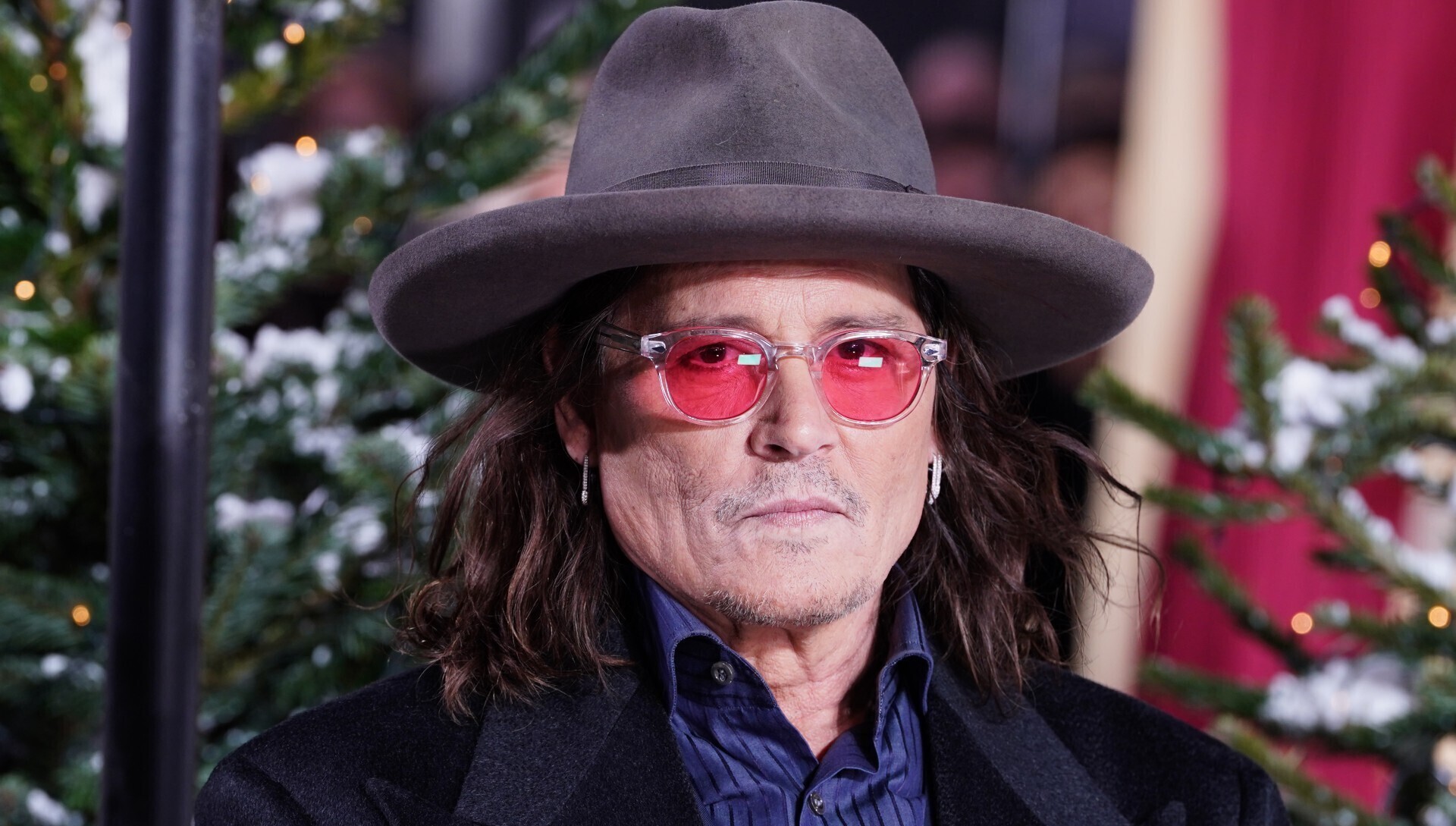
Why was Johnny Depp cast in a studio family film now? Picture: Ian West/Press Association
For more than three decades, has been the gold standard of Dickens adaptations.
It’s a joyful, big-hearted classic. Michael Caine treated Kermit the Frog like a fellow Royal Shakespeare Company veteran. The film beautifully illustrates that wealth means nothing without decency and shared humanity.
Now though, nearly two centuries after Charles Dickens wrote his 1843 novella as a critique of the moral blindness of Victorian capitalism, Paramount Pictures has released .
On social media, the film has already been christened . Viewers are calling it billionaire propaganda bankrolled by one of America's richest families, and calling the unusually sympathetic Scrooge a PR redemption arc for its star, Johnny Depp.
The film, directed by Ti West, veers from the original message. In this version, released last weekend, Scrooge isn't a man simply poisoned by his own greed. His beloved mentor Fezziwig was murdered by a rough sleeper, and the charity collectors turn out to be con artists plotting to rob him. The poor people are the problem!
If I were feeling generous, I could view this tinkering with the source material as an attempt to inject gritty realism into a festive classic. West has said he didn’t want to make Scrooge a straightforward villain. But the casting of Depp adds a darker layer to the whole project. The trailer’s opening line where Depp exclaims "It's good to be back!" sent shivers down many a spine.
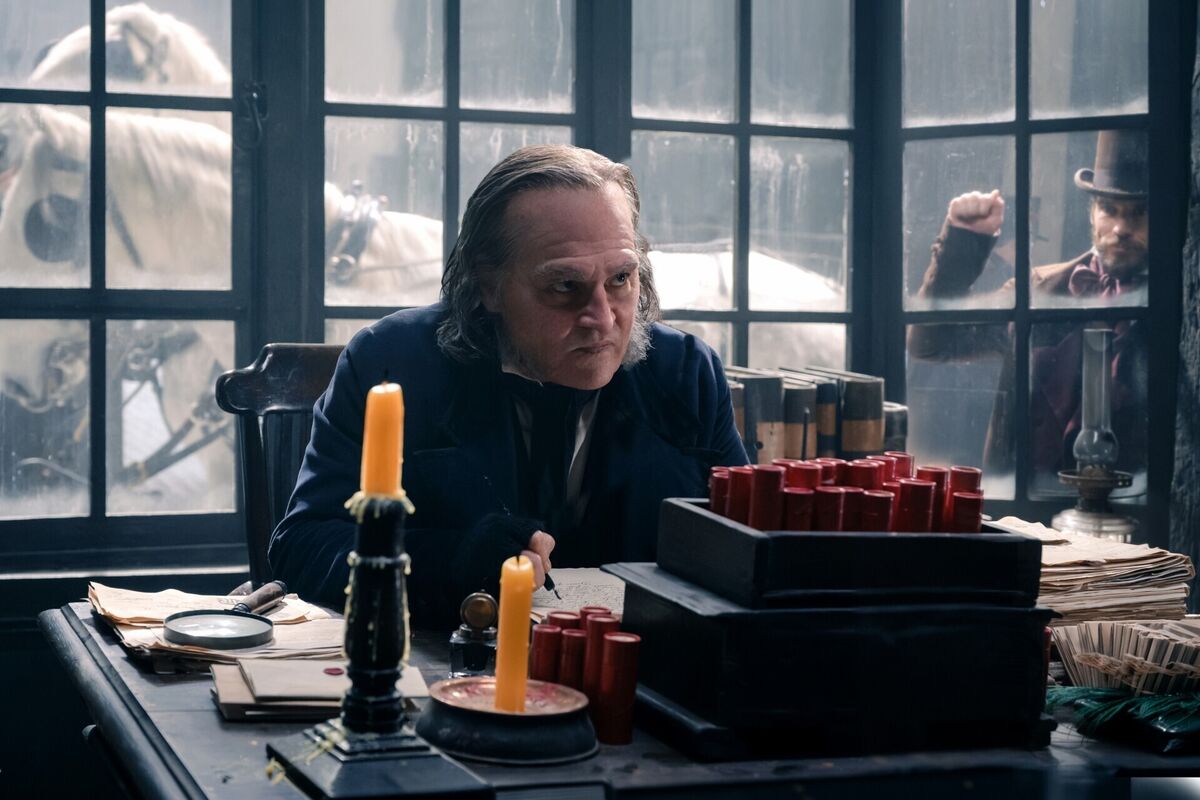
He’s been hamming it up for decades, chewing scenery in every role he takes. Seeing him back on our screens referencing his so-called cancellation in a family film is genuinely jarring.
In a 2020 ruling upheld by the Court of Appeal, the judge found that 12 of the 14 alleged incidents of domestic assault by Depp against his now ex-wife Amber Heard were "substantially true", citing texts in which Depp apologised for losing control and called his violent, intoxicated rages "the monster".
Read More
Even after a US jury later found Heard had defamed him in a
op-ed, a verdict settled out of court in 2022, those High Court findings on his violence remain on the record.
While major Hollywood studios have kept their distance since 2018, Depp never vanished from public view. But his output had dwindled to low-profile European indies, a far cry from his blockbuster heyday.
So why was he cast in a studio family film now? And why does the film seem to be saying that the obscenely rich should be suspicious of poor people?
To understand and the conversations surrounding it, it’s helpful to look at who now owns Paramount — and just how much of American culture they have bought up in the past 18 months.
Bankrolled by tech billionaire Larry Ellison and run by his son, David Ellison, the family engineered a media land-grab unfathomable in a pre-Trump era. It began in August 2025, when David Ellison’s Skydance Media acquired Paramount Global. Months later, the Ellisons muscled into Warner Bros Discovery’s agreed sale to Netflix, winning a sky-high bidding war.
Despite alarms from US antitrust enforcers and Britain’s Competition and Markets Authority, the $111 billion deal closed in October. Rebranded as Skydance Corporation, the Ellison empire now controls two of Hollywood’s five major film studios (Paramount and Warner Bros.) alongside Paramount+, HBO Max, CBS News, and CNN.

This is an extraordinary concentration of cinema, media, and news under one roof.
The priorities of Hollywood’s new owners aren't exactly a secret. Larry is a major Trump backer. Around the time federal regulators cleared the merger, Paramount paid $16 million to settle Trump’s lawsuit, axed Stephen Colbert’s Late Show, and formally agreed to dismantle its diversity initiatives. was announced in October 2025.
A month later, following widespread reports of lobbying from Donald Trump, Paramount revived with director Brett Ratner. This ended his eight-year exile sparked by sexual misconduct allegations from six women. By May 2026, Ratner was flying with Trump’s delegation to China to scout locations.
Even in the boardroom, Ellison has stocked his board with polarising figures. This includes former Activision boss Bobby Kotick, who left the gaming giant in 2023 amid widespread workplace misconduct scandals. Tony Blair is a board adviser.
has reported that Paramount kept an informal blacklist of stars who had publicly backed Palestinian rights or signed Gaza ceasefire letters, branding them "overtly antisemitic" or "xenophobic" in internal vetting.
Defenders of Skydance-Paramount might argue that bringing back bruised stars comes down to commercial maths rather than an agenda. Depp, who once commanded a $30m salary for , was paid a much reduced $5m for his latest outing. And $19m North American opening lets them claim Depp is back at No.1.
Look closer, though, and that figure is underwhelming by Hollywood standards.
The film topped a pre-Thanksgiving weekend with almost no real competition. It sits miles below Depp’s 2000’s blockbuster heyday.
For context, (2006), opened to $135m in North America. Even , widely viewed at the time as a disappointing sequel, opened to $62m in North America, more than three times domestic debut. Jim Carrey's (2009) earned $30m during its domestic opening weekend.
I don’t buy it as a simple cost-saving hire. Bargain-hunting doesn't explain the alignment between who a studio hires, its White House pandering, and the stories it tells on screen.
Do I believe the internet theories that is the result of a well-hatched plan to rehabilitate billionaires and cancelled men? I’m not sure. But it’s compelling. I certainly think the project in this form wouldn’t have come to pass if Trump wasn’t in power.
In , turning the poor into violent threats and charity workers into scammers twists the story completely. The casting of Depp is bizarre — no matter how cheap he’s become, he’s polarising and it’s put millions of people off the film.
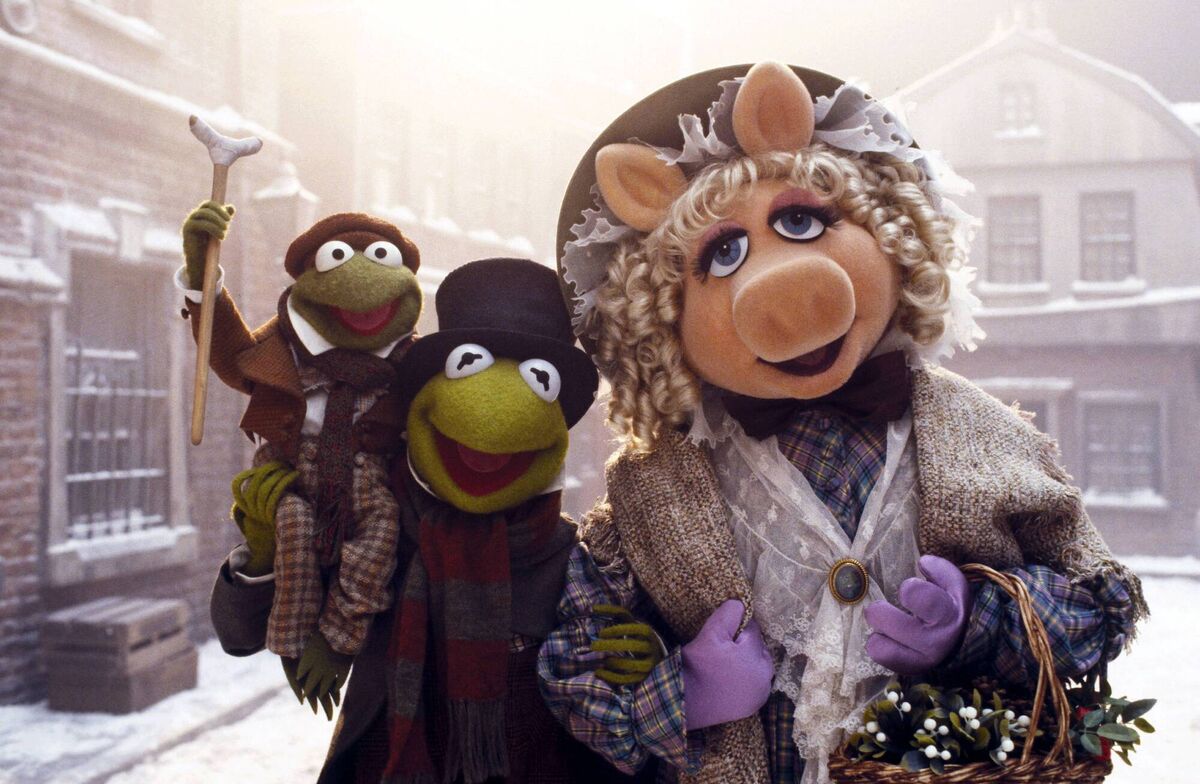
has delivered a decent opening weekend and I’m sure it will break even on overall costs. But will anybody be gathering the family around it in 30 years? There are already so many iterations of this story, it’s hard to imagine this one will have any lasting impact on viewers.
The industry impact, however, will run much deeper. Once again, Hollywood is happy to rehabilitate problematic men through the magic of cinema.
Box office is never the only metric of success. debuted in 6th place on it’s opening weekend in 1992. And yet it went on to sell nearly $16m in DVDs and Blu-rays, it packs out annual cinema re-releases, and ranks among the most rewatched holiday films on Disney+ every year. The warmth, humour, and message of the film endures.
I know what I’ll be watching this Christmas, and in Christmas futures, with my family.
- Cathy is the co-host of podcast

BLACK FRIDAY
Already a subscriber? Sign in

CONNECT WITH US TODAY



Be the first to know the latest news and updates