Why is department acting against Government policy and public wishes on Gaza students?
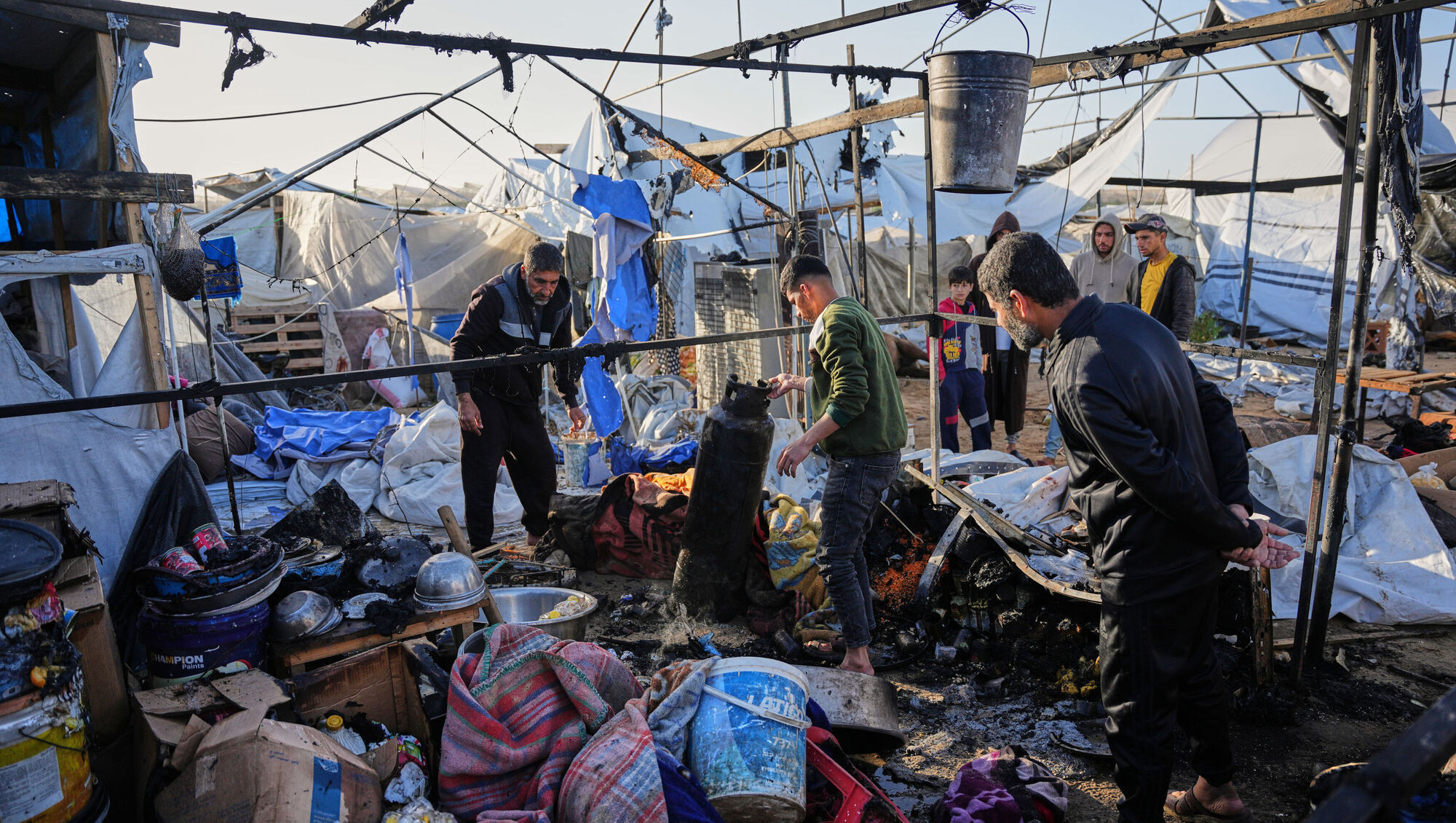
Asking people to produce documents they cannot realistically obtain is not a neutral standard. You cannot ask the impossible of people and then refuse them for failing to provide it. Picture: AP/Abdel Kareem Hana
A few weeks ago I was at the Lighthouse Cinema for a screening of , a documentary told through doctors who worked inside Gaza's hospitals during the genocide.
I already knew some of the people in it. I'd been watching them on Instagram for months. But for some of the audience, this was the first time they'd seen what it looked like from the inside, or heard directly from people on the ground.
The reaction afterwards was shock. In the Q&A, someone asked why they hadn't heard more about it. Others asked the question that comes when something finally becomes real: what can we actually do?
There’s something very Irish about what happens next. We rally. Someone starts a collection, someone knows someone who can help, someone writes a letter. Before long, a group of people who didn't know each other are trying to solve a problem that isn't technically theirs.
I've seen this repeatedly through my work with displaced people and communities — willingness to help is rarely the problem. The problem comes when it hits the system.
Where I live, people raised the funds needed to support Haneen Eshreim, a 32-year-old English teacher from Gaza, to come to Ireland to study at UCD. Haneen had moved all the necessary mountains to secure a place and a full scholarship. Her financial support was secured and managed by the university, so she would cost the State nothing. Her visa was refused anyway.
Among the reasons given by the Department of Justice were insufficient evidence of her financial circumstances and English proficiency — both of which had already been independently verified. Haneen teaches English for a living. She had passed the UCD proficiency test. Go figure.
Banks and universities have been destroyed. Records are inaccessible. Postal systems don't function. People who have spent years building qualifications and careers are being asked to produce documents from institutions and systems that have been devastated.
Read More
The department itself has acknowledged the grave humanitarian situation in Gaza. Asking people to produce documents they cannot realistically obtain is not a neutral standard. You cannot ask the impossible of people and then refuse them for failing to provide it.
Haneen is not an isolated case. At least 31 of 59 Palestinian students awarded scholarships by Irish universities this year have had their visa applications refused. Students due to start at UCC, UCD, the University of Galway, University of Limerick and NCAD have been affected.
Last year, more than 80 students from Gaza were granted visas and evacuated to Ireland to take up places through the same scholarship programme. I've met some of them since they arrived. They made it here, against extraordinary odds, and are now studying and building lives in Ireland while their families remain in Gaza. Many of them long to go home.
This year, other students have done the same work — secured the places, won the scholarships, met the requirements — but are being refused visas. Something has changed. And there is a contradiction here that is hard to ignore.
Universities are asking the department for clarity. Politicians across parties are asking. Campaigners, constituents and community groups are appealing individual cases.
As this paper has reported, lawyers acting for some of the students have put the minister on notice: respond within days, or face judicial review in the High Court. So far, we’re all getting the same answer: there are no special arrangements for Palestinians, and none are proposed.
At what point does a system stop defending its position and start listening to what all of those people are telling it? These students have already done an extraordinary amount to get this far. They have secured university places, won scholarships and navigated applications from the middle of a genocide.
They have done their part. So have the universities. So have the communities around them. What’s needed now is for the system to do its part too.
What we are asking the minister for is not complicated. Waive the documentation requirements that people from Gaza cannot realistically meet, and use the discretion his department already has to assess these cases against the exceptional circumstances people are coming from, rather than treating them as ordinary applications.
Tomorrow, people will protest. More letters will be written, more calls made, more cases pursued. Back in the Lighthouse, people asked what they could actually do. Well, this is what we can do: raise the money, write the letter, make the call, show up and, when necessary, do it all again.
Not because any of it is guaranteed to work, but because stopping guarantees it won't. We keep asking communities to show up. The least the system can do is listen when they do.
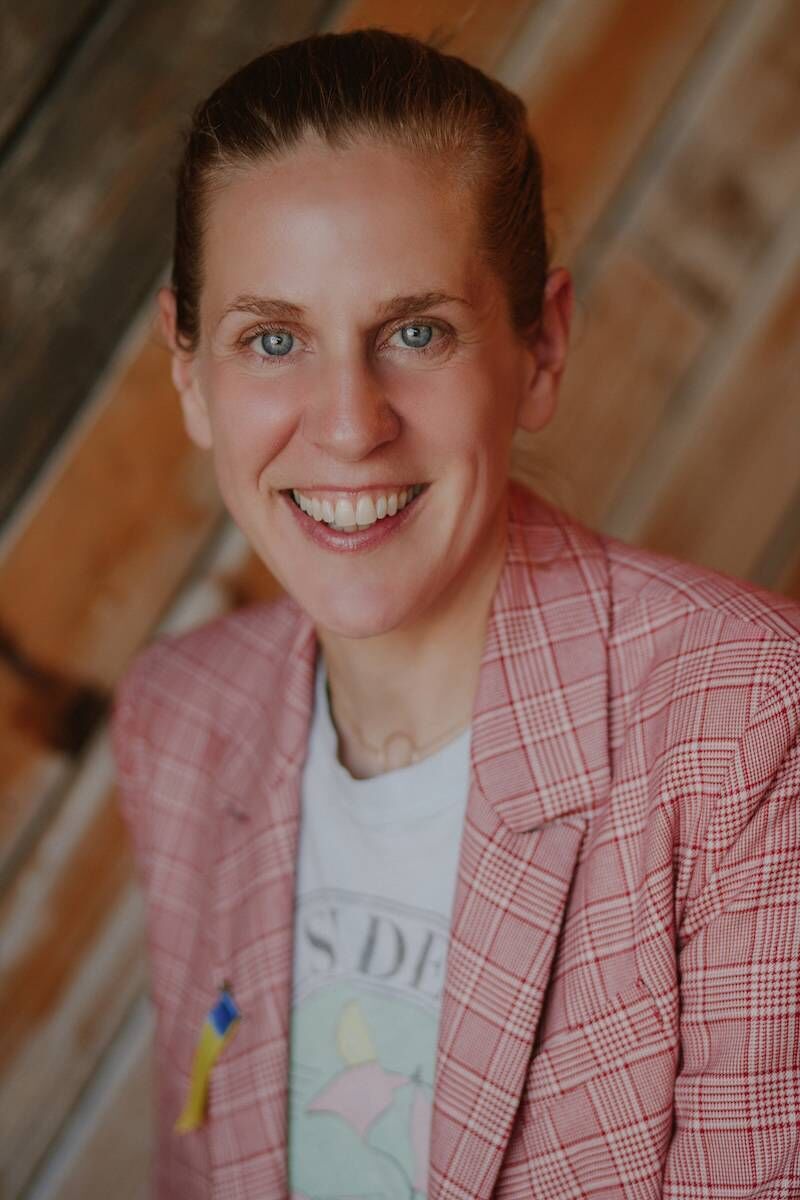
- Angie Gough is chief executive and co-founder of Helping Irish Hosts and works with communities supporting displaced people in Ireland


CONNECT WITH US TODAY



Be the first to know the latest news and updates