Jonathan deBurca Butler: Why was a gay cruise ship turned away from Turkey and Egypt ports?
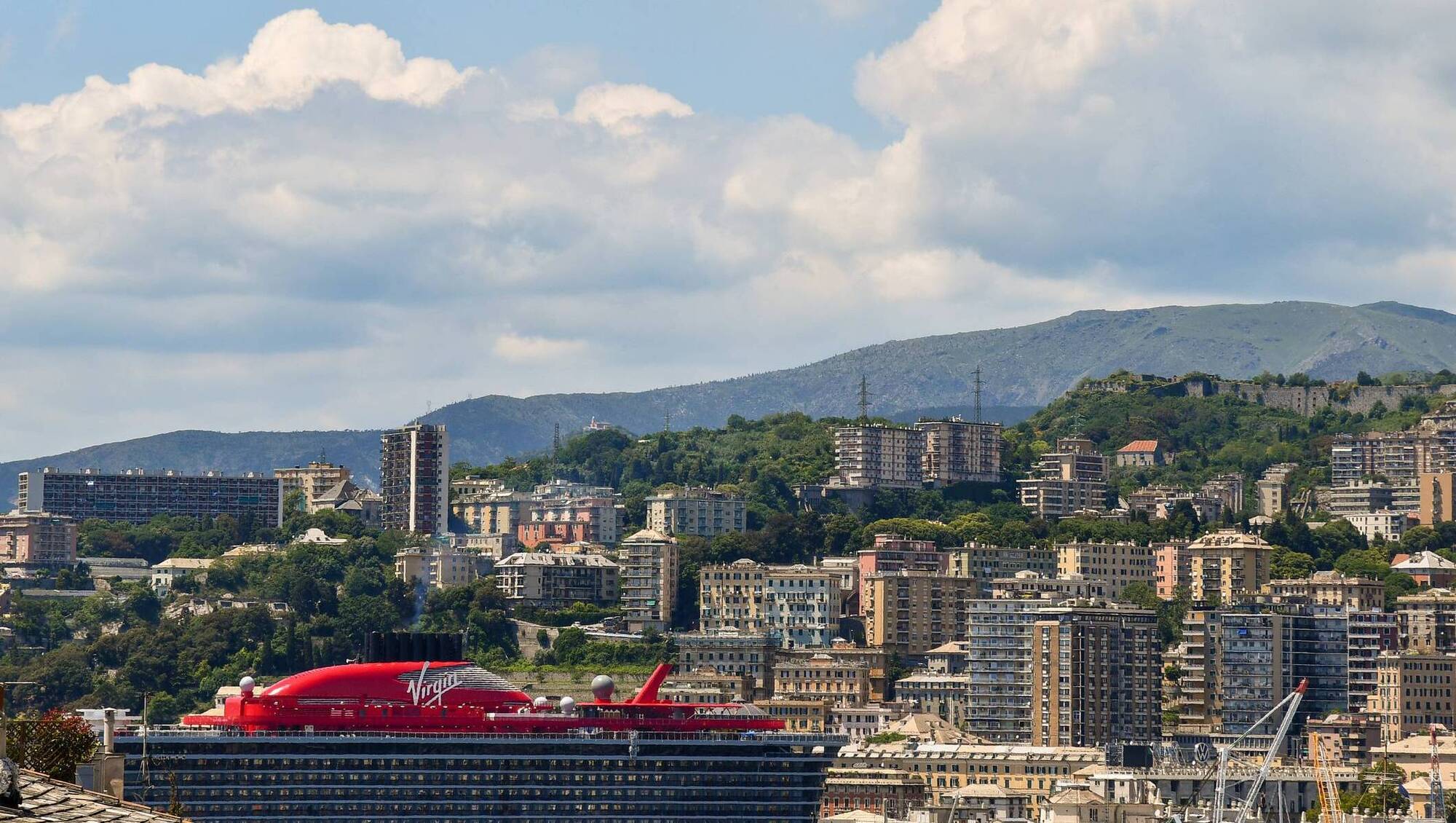
News of a gay cruise ship being refused entry to not one but two ports earlier this month should make all of us wary says Jonathan deBurca Butler.
Scarlet Lady was refused entry to Turkish waters and later to Alexandria in Egypt.

Scarlet Lady was refused entry to Turkish waters and later to Alexandria in Egypt.

Earlier this month, a cruise ship was refused entry into Turkish waters because, according to authorities, it had been chartered “by groups known for behaviours that are not in line with our social structure and moral values”. 

That the majority of the two thousand-plus passengers on board the Scarlet Lady were gay seems to have been the deciding factor.

Rich Campbell, American chief executive of Atlantis Events which organised the cruise, said in the last 25 years, cruises and tours organised by his company had gone to Turkey on 13 separate occasions and never had any trouble.

So what changed?

The decision was taken even though same-sex relations in Turkey are, in fact, legal and have been so since 1858. The reality on the ground is quite different, however, and while there might be a low level of tolerance for same sex-couples in big cities and holiday resorts, gay men and women often need to monitor their activities and keep expressions of their status in check. 

Since 2015, Pride marches have been banned and campaigning in the era of President Erdogan can even land ‘offenders’ in jail. 

In April, 11 leaders of a Turkish LGBTQ+ rights group went on trial on charges of "obscenity" and "violating the protection of the family". They face up to three years in prison if prosecuted.

Things got worse for the Scarlet Lady. After being refused entry into Turkey, she headed for Alexandria in Egypt only for plans to be scuppered again. On this occasion, no explanation was given and the passengers and crew set sail for Crete, where they were finally allowed to dock.

Commenting on the situation, Kyle Olsen, owner of the gay travel company Hermes Holidays, said he believed Egypt would not have imposed a ban had Turkey not first refused the ship. Indeed, Atlantis Events confirmed that just last year, the company had organised and executed a similar itinerary in the same country.

“It is sad to see the direction the world is going,” said Olsen in an interview with CNN. 

Governments one after another are falling to right-wing groups, and as a result LGBTQ rights are being stripped away around the world.

Olsen’s observation is interesting. Views on homosexuality are often dependent on the colour or creed of that right-wing and even at that, empathy can be selective. 

Many white nationalists, for example, would have you believe homophobia is exclusive to Islam. But of course, intolerance of homosexuality is by no means limited to the Middle East or a certain religion.

In 2013, Russia, hardly a hotbed of radical Islam, introduced its so-called gay propaganda laws, which initially banned the promotion of what were termed "non-traditional sexual relations" to minors. 

Nine years later, Putin expanded the law to include people of all ages across all media, books and public spaces. According to Human Rights Watch, enforcement has escalated into severe censorship, website blocking and sweeping arrests for any public LGBTQ+ expression.

Until recently, Hungary looked like it would become the latest no-go country for gay visitors. Viktor Orban and his right-wing Fidesz Party enacted a 2012 constitutional definition of marriage as strictly between a man and a woman. They followed this with a ban prohibiting same-sex couples from adopting children in 2020. 

Last year, legislation was passed to ban public gatherings for members of the LGBTQ+ community, which by default meant the attempted cancellation of Budapest Pride. This got widespread international attention and despite Orban’s insistence to the contrary, the parade went ahead — mainly down to the persistence of the gay community in Budapest and the city’s mayor, Gergely Karácsony, who faced criminal charges as a result.

Months later, the 63-year-old Orban, who had been in office since 2010, was roundly defeated in an election. While the rhetoric has improved under Hungary's new president, Peter Magyar, and this year’s Budapest Pride march went off with a very loud bang, legislative change has yet to come.

Across the Atlantic, the US culture wars continue apace with gay rights often at their centre.

According to the results of recently updated Gallup Historical Trends, support for same-sex marriage has dropped from a peak of 71% in 2022 to 65%, while moral acceptance of gay and lesbian relations has slid to 62%, from a high of 71%. 

This is the lowest level recorded since 2016, the same year Trump came into office, but it is worth noting when the first poll was conducted in 2002, only 38% found homosexual relations acceptable.

Of course, life for a gay person will vary depending on which of the states you live in. While states with robust legal protections continue to promote rights, others have been emboldened to introduce or propose numerous bills around school curricula, public displays and even, in the case of Texas, the criminalisation of drag performances — it would be funny if it weren’t so serious.

Some of the money that has gone into funding these changes has found its way abroad. According to a 2020 report by openDemocracy, more than 20 US Christian groups known for fighting against LGBTQ+ rights had spent at least $54m in Africa since 2007.

In that period, a healthy proportion, about $20m, was sent to Uganda, which already had some of the harshest anti LGBTQ+ laws in the world. but in recent years has doubled down. Much of that is down to President Yoweri Museveni’s talent for picking scapegoats to distract from his own rampant corruption. He blames the country’s ills on the "gay enemies" within and their Western/unAfrican lifestyles. 

In 2023, his Anti-Homosexuality Act introduced life imprisonment for consensual same-sex acts and 20 years for the so-called promotion of the same. This has led to widespread arbitrary arrests, forced evictions and targeted attacks.

Elsewhere, while Senegal, Burkina Faso and Ghana have either introduced or strengthened anti-LGBTQ+ legislation, other African governments are more enlightened. The Supreme Court in Mauritius recently struck down a colonial-era law that criminalised same-sex intimacy. 

Botswana and Namibia finalised the removal of similar colonial laws, with the latter going one step further and recognising same-sex marriages validly performed outside the country (this was after an individual had taken a case against the state). 

Further afield, Singapore repealed its laws around same-sex sexual activity between men, while early last year, Thailand became the first nation in Southeast Asia to grant full legal recognition to same-sex marriages.

As the ebb and flow of rights shows, progress should never be taken for granted. As populist movements of every hue and creed gather momentum, they will use and abuse gay rights to suit their needs. 

It is incumbent on all of us, gay, straight or, in the unforgettable words of AliG, "trisexual" to be vigilant. Gay rights are not gay rights. They are human rights. LGBTQ+ communities have always been and will remain on the frontlines for all of us.

The passengers on board the Scarlet Lady are likely under no illusion as to the often fragile nature of their place in the world. It changes from country to country, from cause to cause and even from government to government in apparently developed democratic societies. They remain, nonetheless, defiant.

In response to their rejection from both Turkish waters and the port of Alexandria, a passenger named Randy Slovacek wrote on his blog that in the 26 years Atlantis has operated, not one of its ships had been denied permission to dock.

“And now it happened in two countries in one week,” he continued. “Believe me, I and the rest of the passengers will be fine. If they don’t want our tourism, we will sparkle and spend our money elsewhere.”

  • Jonathan deBurca Butler presents News From Around the World every Tuesday on Newstalk’s Moncrieff Show
x

More in this section

Revoiced

Newsletter

Had a busy week? Sign up for some of the best reads from the week gone by. Selected just for you.

Cookie Policy Privacy Policy Brand Safety FAQ Help Contact Us Terms and Conditions

© Examiner Echo Group Limited