'They had their heads shaved and they were branded like they were cattle’
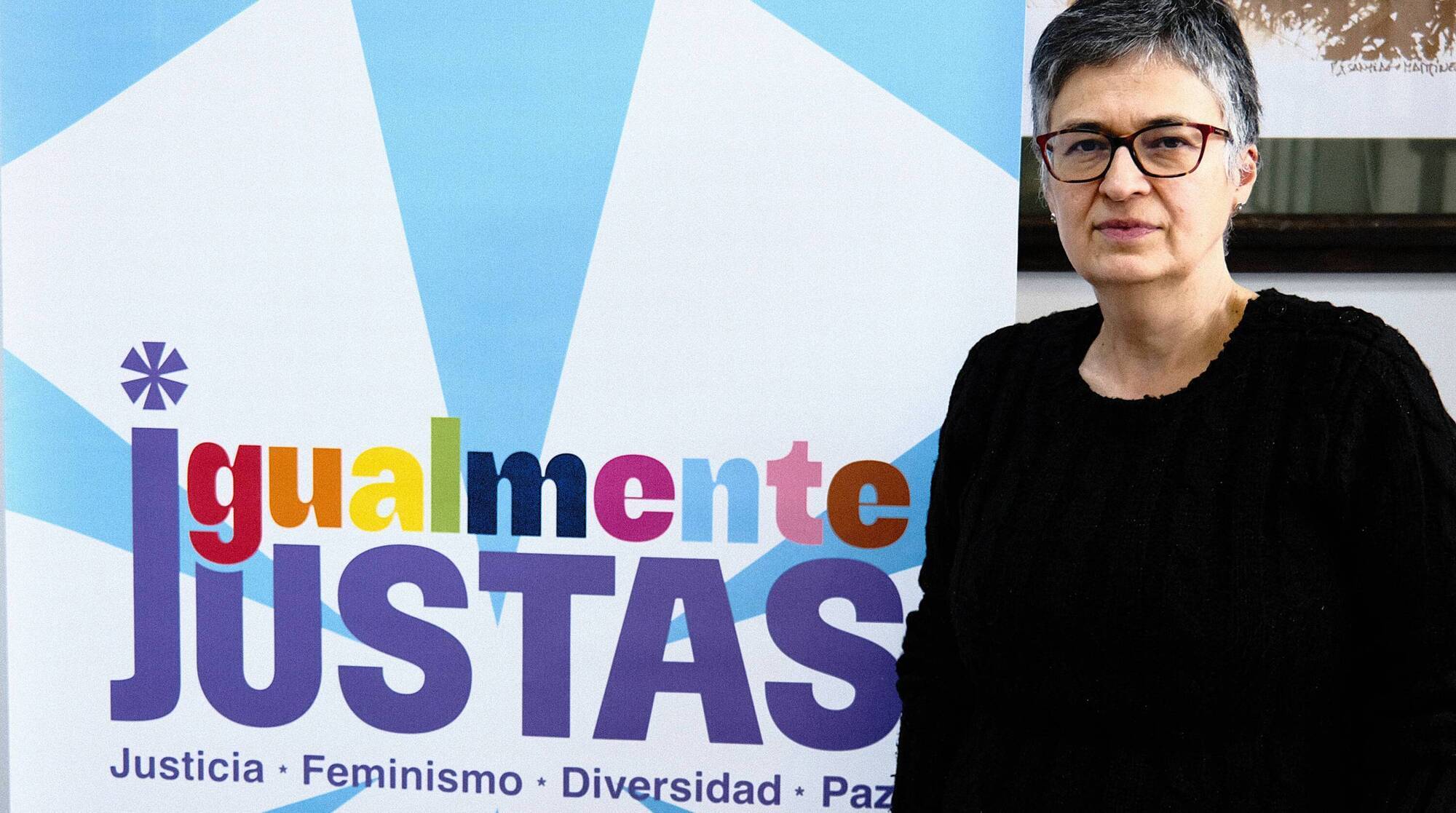
Marcella on JEP's ‘Macro Case 11’, an investigation into sexual and gender-based violence perpetrated during Colombia's armed conflict, including against people based on their sexual orientation and gender identity: 'We hope that this will be a model for other conflicts.'
Next month marks 10 years since the signing of a historic peace agreement which saw a formal end to the conflict between the Colombian state and the FARC rebel group. The conflict had lasted over 50 years and resulted in the deaths of nearly half a million people.
While the conflict touched the lives of nearly everyone in Colombia, LGBT+ people were targeted and even killed for simply being viewed to be "different".
According to Colombia’s Victims’ Unit, more than 7,000 people were attacked during the conflict because of their sexual orientation and gender identity. This is likely to be a substantial underestimate, with all sides of the conflict responsible for targeting LGBT+ people.
One such victim was Alvaro Miguel Rivera Linares. The activist was found dead at his home in Cali, northern Colombia in 2009 and his body bore the marks of torture.
Alvaro was an outspoken critic of the violence committed against LGBT+ people and had received deaths threats for denouncing the FARC’s practice of forcibly testing civilians for HIV. The armed group used this testing to ‘expose’ LGBT+ people in rural areas.
Those who tested positive were often expelled from their communities. Many also faced violence and in some cases were even killed. Sex workers and drug users, as well as those who received false-positive test results were also caught up in this heinous practice.
Read More
In the early 2000s, the FARC forced large numbers of people living in the rural Meta department in central Colombia to be tested after a fighter was found to have contracted HIV.
“He told them a transwoman gave it to him, so FARC started testing everyone,” explained Marcela Sánchez, executive director of Christian Aid’s local partner Colombia Diversa, who was in Dublin recently to brief Irish politicians ahead of the anniversary of the peace agreement.
“They printed out lists of all who were positive and posted them around town, with a date put against their names by when they had to leave.” Meta was a ‘red-zone’ during the conflict and experienced high levels of violence between different armed groups vying for control.
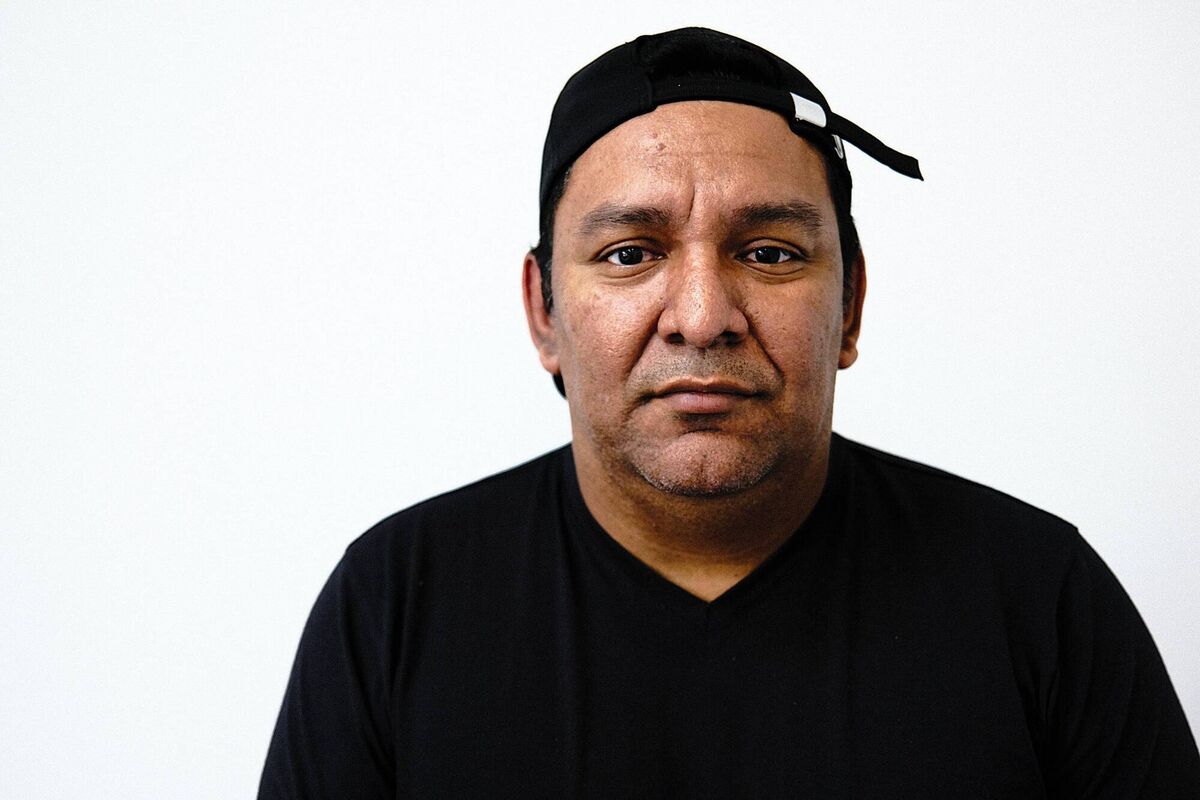
Wilmer is a LGBT+ human rights defender from the Meta area. He is also a survivor. When aged just 17, Wilmer was abducted by right-wing paramilitaries and sexually abused over several days.
Attacks against LGBT+ people were often carried out publicly and done to strike fear into the community.
Wilmer, now 40, said:
The impact on LGBT+ people from these targeted attacks was immense. “They were seen as ‘morally wrong’ and were punished. There was a lot of harm done,” said Wilmer, who now receives psychological support from Colombia Diversa.
Following the 2016 peace agreement a transitional justice tribunal, known as the Special Jurisdiction for Peace (which has the Spanish acronym JEP), was set up. The JEP functions like a court to investigate, prosecute and adjudicate gross human rights abuses.
However, rather than try individual crimes, it groups together representative crimes in order to establish large-scale patterns of violence. The JEP also seeks to determine responsibility, usually of higher-ranking officials, though perpetrators must accept personal or collective responsibility of their actions and be fully open about any violence committed.
Those who admit guilt are given a suspended sentence and required to take part in ‘restorative justice’ projects, a type of community service. Failure to comply results in a prison sentence.
In 2023, the JEP announced the opening of ‘Macro Case 11’, an investigation into sexual and gender-based violence perpetrated during the armed conflict, including against people based on their sexual orientation and gender identity.
“This is the first case in the world to look at this kind of violence against LGBT+ people in conflict,” said Marcela. “We hope that this will be a model for other conflicts.”
In addition to providing psychological support to survivors, Christian Aid’s local partner is also helping LGBT+ survivors submit testimonies to the JEP, thanks to funding from the European Commission.
Wilmer is one of the survivors sharing their personal experiences with the JEP. For many this is the first time they have spoken about their ordeal. “We have been very silent about the sexual violence we faced because it is really hard to tell someone else,” he explained.
For Wilmer and other LGBT+ survivors supported by Colombia Diversa, the hope is that their testimonies will help secure justice for those targeted simply for being themselves.
“LGBT+ people are finally getting some kind of closure to the cycle of violence we have faced.”
- Katie Cox is Communications Officer Christian Aid Ireland
- To support Christian Aid Ireland’s work, visit christianaid.ie

CONNECT WITH US TODAY



Be the first to know the latest news and updates