Was Taylor Swift’s engagement ring an omen of our obsession with vintage jewellery?
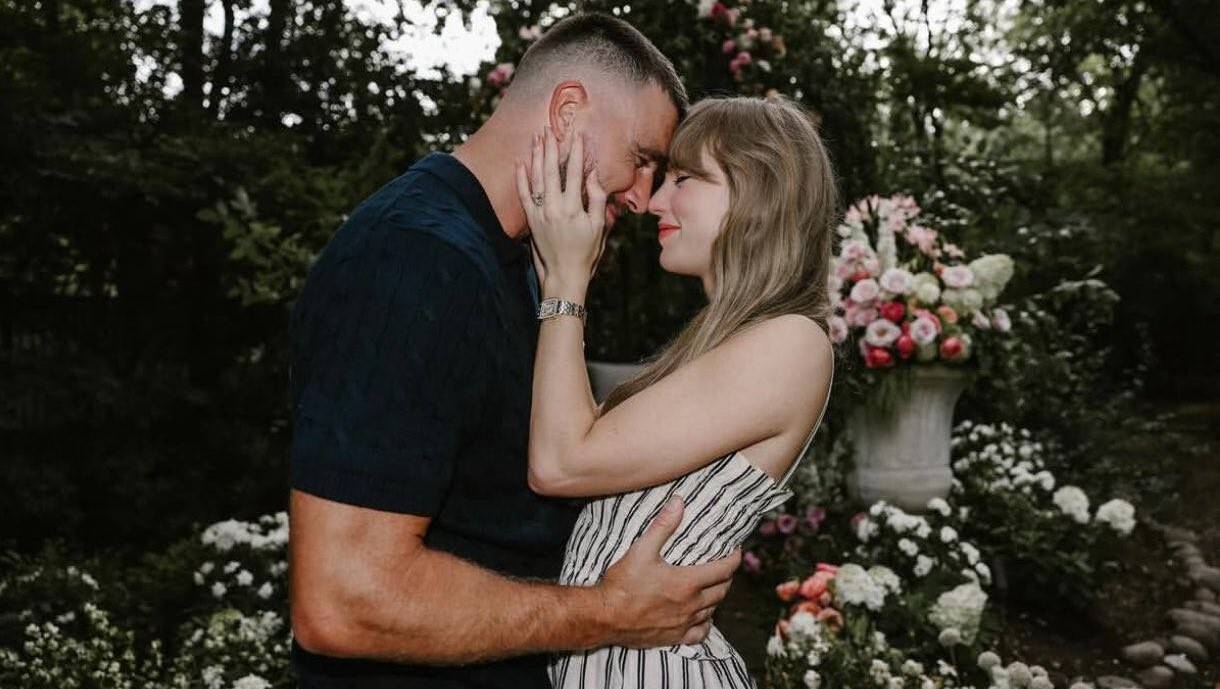
Taylor Swift & Travis Kelce announcing their engagement. Picture: Instagram
In a world full of throwaway trends, the staying power of vintage jewellery is pulling in a new generation.
From the chunky bold gold chains of the 80s to the iconic heart padlocks of the 90s, these timeless pieces are making a major comeback.
Fuelled by a growing interest in mindful consumption, millennials and Gen Z-ers are seeking pieces that resonate emotionally and ethically in favour of mass-produced design.
“A lot of modern jewellery is mass-produced, even when it’s gold,” says Terri McInerney, owner of pre-loved jewellery brand Inné Jewellery.
“Vintage pieces tend to be better made, more unique, and more personal.
“There’s also a strong sense of nostalgia that’s part of it. Many of us grew up seeing our mothers or grandmothers wearing gold every day. It wasn’t about fashion — it was part of their identity.”
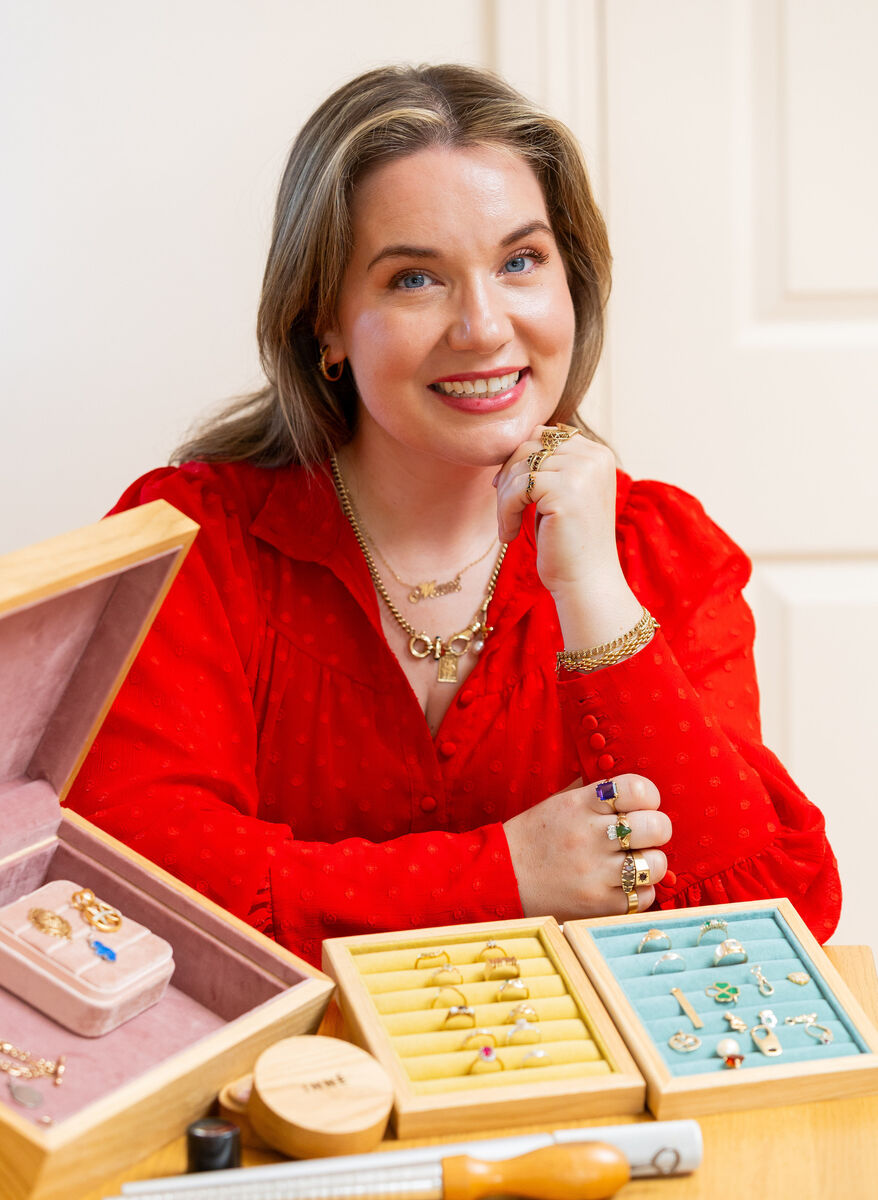
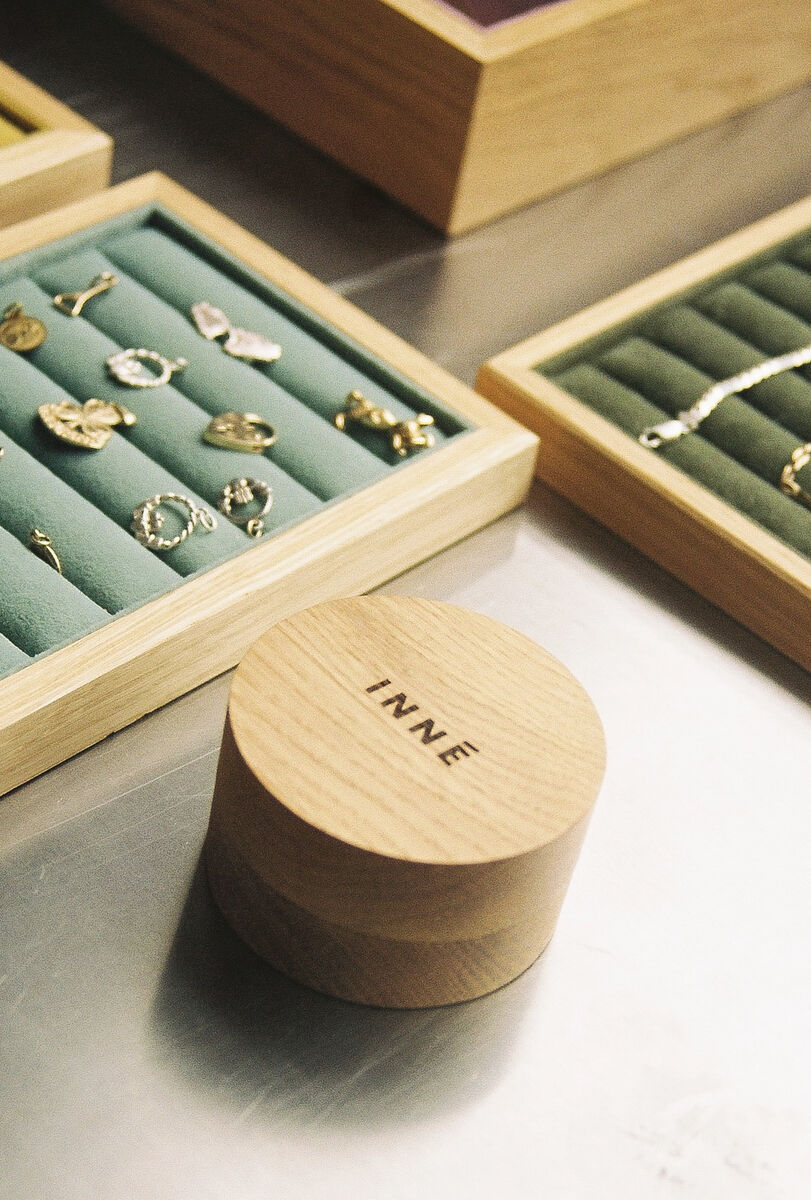
Alongside a growing interest in learning Irish, Inné’s customers are yearning for those symbols rooted deeply in our culture. It’s these pieces that are Terri’s bread and butter.
The Claddagh is certainly experiencing a renaissance with gender-inclusive, cross-generational appeal. Thought to have originated in the 17th century, the crowned heart cupped by hands symbolises love, loyalty, and friendship.
As an elder millennial, the Claddagh punctuated some of my favourite moments of the 90s.
Peak teen angst TV series saw its titular character being gifted a Claddagh by her achingly attractive immortal boyfriend Angel.
“The Claddagh is the kind of ring that is passed from generation to generation,” says Terri.
“People want pieces with meaning — the Claddagh ring you wore when you were seven. That’s true nostalgia. It’s not about it being designer or branded. It’s something that you really connect with.”
I nod in earnest as my own Claddagh was given to me as a very young girl — my first ever piece of precious metal — and I still wear it to this day. It was around the time Liam Neeson gifted one to Julia Roberts — at the time, that was the most valuable thing about it to me.
Are Terri’s customers motivated by sustainability, sentimentality, or style?
“Honestly, I think sentimentality and sustainability are very closely linked — it’s hard to separate them,” she says.
“A lot of our customers come to us with a story. They might want to mark a milestone, replace something they lost, or find something similar to a piece their mother or grandmother had.
“Style plays a role too, of course — but I think true style comes from wearing pieces that feel personal and unique, not something you see everywhere.”
Inné recently held a pop-up called ‘Second Story: Irish Icons’ at Temple Bar indie lifestyle store, Indigo & Cloth.
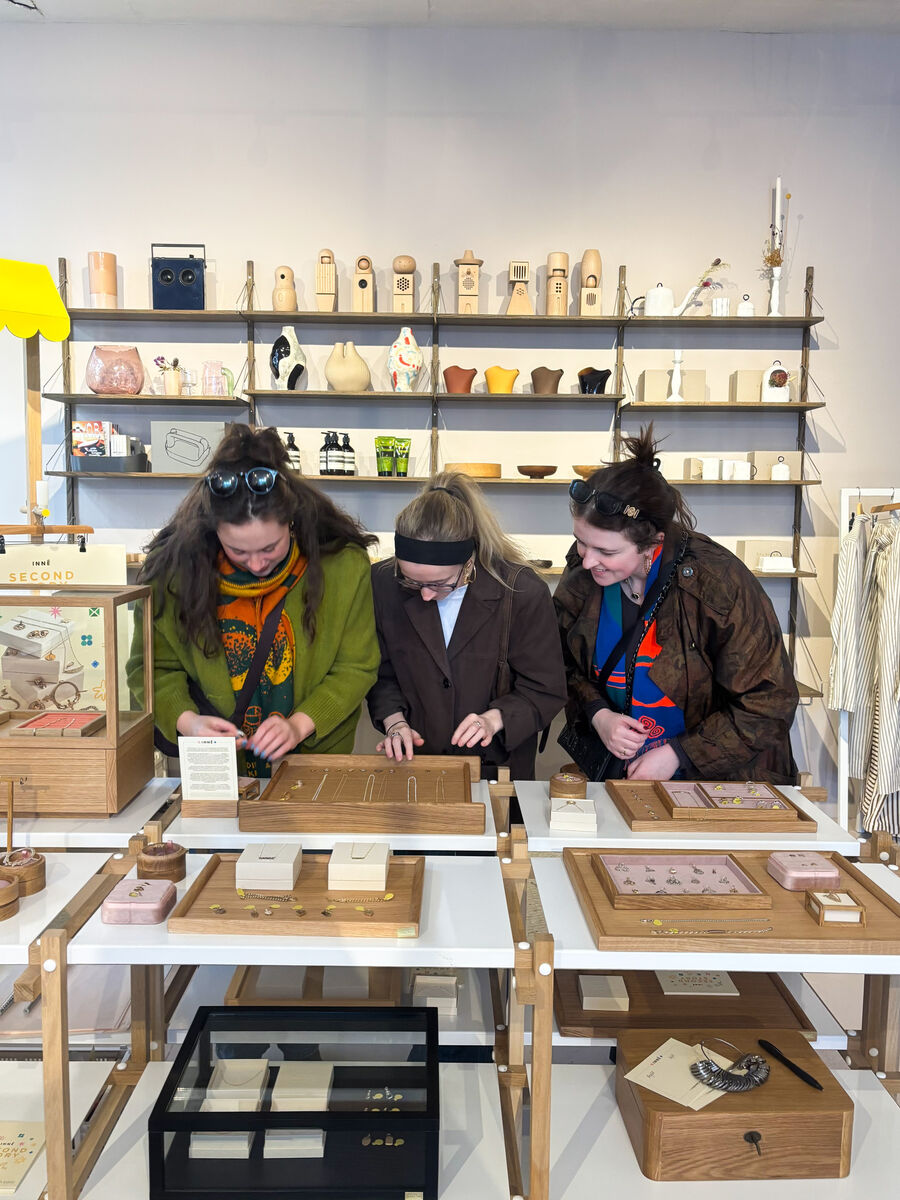
It showcased recycled gold jewellery and storytelling around Irish heritage and heirloom pieces, including co-host Kevin Twomey wearing a gorgeous piece from a very special person.
“The first time I met Kevin, he was wearing a chain he got for his confirmation from his granny. I was like, “where’d you get that chain?” It only felt fitting to have a photo of him wearing it,” she says.
Terri loves the fact that she plays a part in extending the lifecycle of gold.
“Gold is a naturally circular material. It can be bought, worn, melted, or reused,” she explains. “It holds your body heat. What else does that?
Jewellery is an integral part of Irish history, as Terri discovered through her work in museums: “Ireland has one of the richest traditions of gold in the world, dating from prehistoric times. Going back in time, normal, working-class people would buy pieces of gold and would collect them over a longer period of time.”
We see this happening in real time, too — as the price of gold appears to be exponentially growing. While some invest in designer bags, others are collecting gold and gemstones with the hope of selling it on.
“Gold was almost like a quiet currency,” says Terri.
With the value of gold constantly rising, people are opting for preloved pieces for lower prices across all cohorts.
“I felt there were a lot of people my age who wanted gold jewellery but were priced out of the market,” says Terri.
“So I set up a business that works on a per-gram basis — we buy pieces based on their gold weight and sell them on with a smaller margin.
“Because we don’t have a physical shop, we can keep things simple and more affordable.”
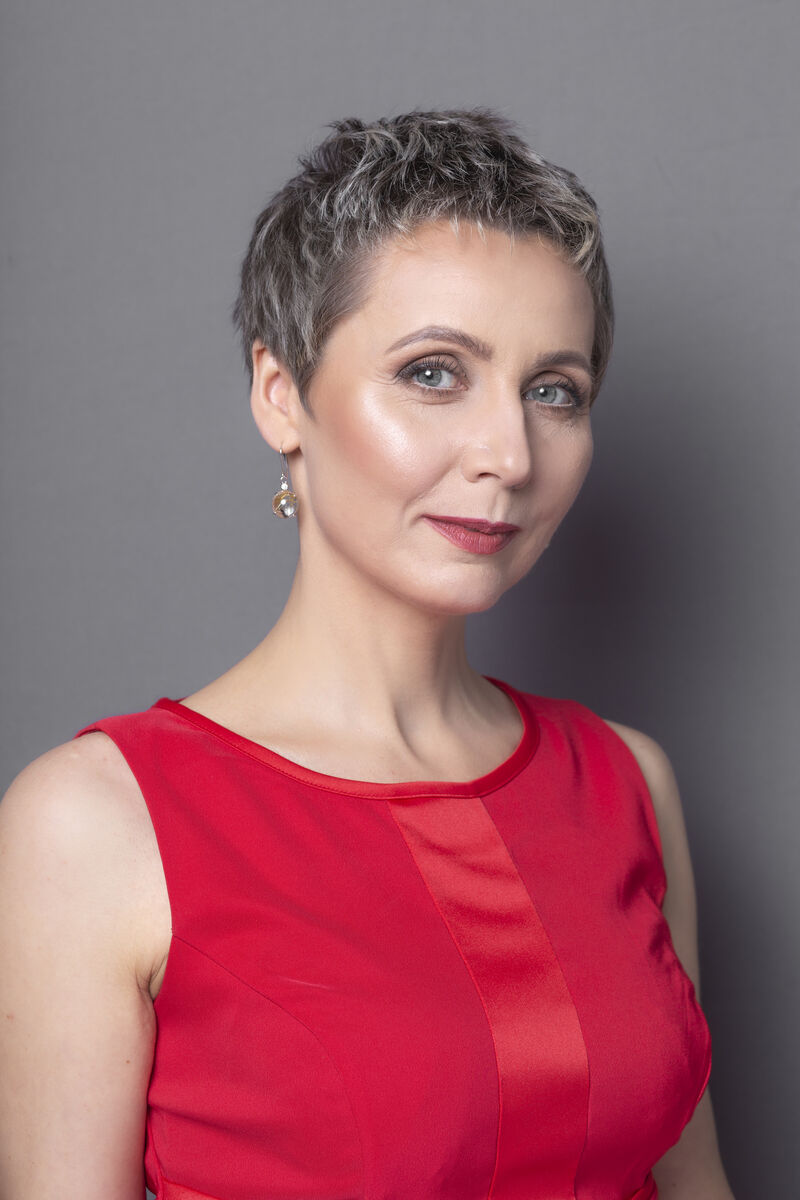
Cork-based goldsmith Alex Thiel works with her clients to reshape and remodel vintage jewellery, often inherited from a loved one.
“My mentor Don O’Mahoney taught me how jewellery was made in the past and how to fix it,” she says. “I remodel old jewellery and translate it into the modern way.”
Lots of Alex’s customers come to her after recently losing a parent: “They’ve inherited the piece, and they want to keep the memory of that person who was wearing the ring. That’s why they want to keep it as close as possible.”
Vintage, antique, and reworked pieces are imbued with so much meaning, she says. One such project she worked on was combining heirloom pieces from two families to represent the coming together of their two families: “I had a lady from Greece and her partner was Irish. She was given some old pieces by her grandmother and her partner inherited some gold from his family.
“They asked me to design an engagement ring with the influence of ancient Greece and old Ireland and to use the gold from both families to show the acceptance and approval from both families of this new union. I think it’s really special.”
One of the most talked-about engagements of late was that of Taylor Swift and Travis Kelce.
Kelce worked with New York-based jeweller Kindred Lubeck to design the perfect ring to reflect Swift’s vintage sensibilities.
While the ring was bespoke, it featured a design detail from antique brilliant-cut old mine diamonds, a cut popularised in the 18th century.
Typically, this style is hand-cut with chunkier facets, making it warmer and softer than the sharp sparkle of the modern brilliant diamond.
It’s these details that interest Alex in vintage metal and gems: “Vintage pieces were made almost entirely by hand without modern micro-soldering/welding tools, requiring high-level flame control and exceptional skill.”
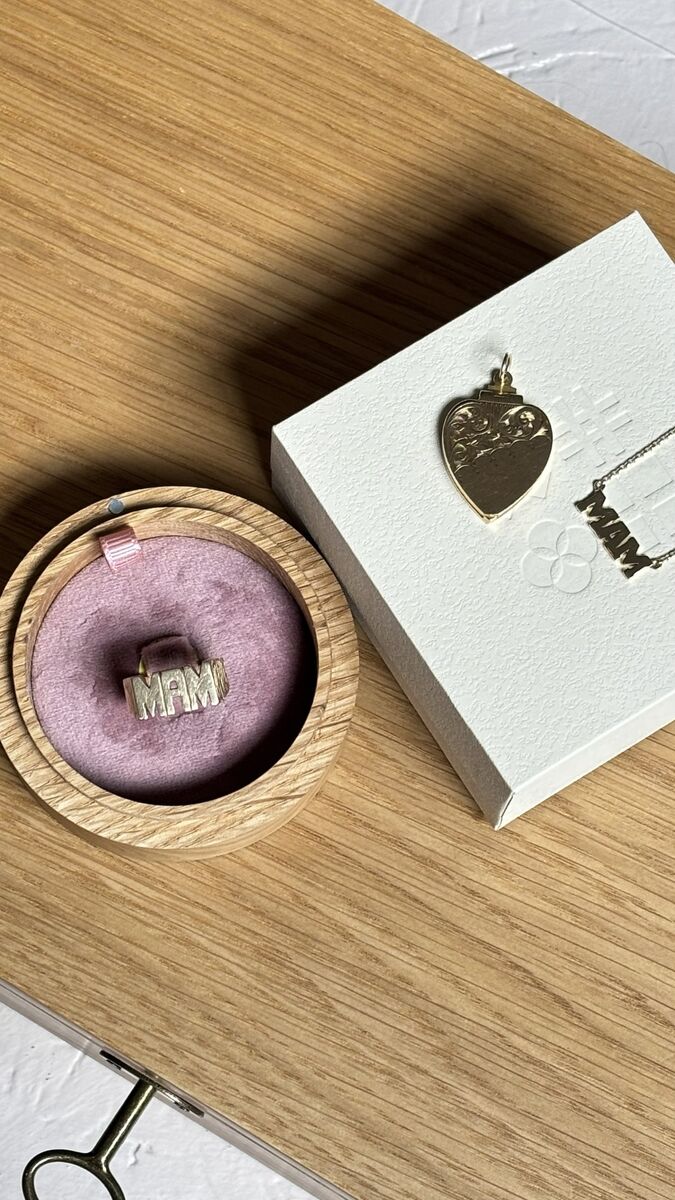
Recreating them is tricky and time-consuming and to preserve the integrity of the piece, sometimes Alex has to admit failure: “But that’s the beauty of metal. I can start again. It’s time-consuming, and it can be hard to fix. Sometimes, you must use lower-carat solders or modern tech — only when necessary — but you are always informing clients of the trade-offs.”
Occasionally, Alex says no to a project if she feels it isn’t right. That’s not to say she shies away from a challenge: “A couple of years back, I was working on a vintage trilogy engagement ring with sapphires and diamond halos. The engagement ring was over 75 years old and had belonged to his mother and now his wife.”
Although the proposal had initially been met with scepticism by his mother, who did not want to give her son the ring, she ultimately gave her blessing.
Alex was able to scout and find the gems that were missing but that was just the first step.
“Back then, gemstones were cut in different ways than they are now, and it’s very difficult to replace old cut diamonds,” she explains.
“It was incredibly important to my clients to make sure that the ring stays as close as possible to the original one.”
The precision and craftsmanship of those old pieces still astounds Alex.
“Those rings were made perfectly back then, without any microscopes or the tools that we have these days,” she says.
Sometimes re-modelling would tamper with the integrity of the piece, says Alex, who adds: “I try to explain the value of the piece, not only of the gold, but also the history. And you know, that piece was chosen by someone for a reason.”
From talking to Terri and Alex, that reason almost invariably is love.


CONNECT WITH US TODAY



Be the first to know the latest news and updates