My mother was a child bride — this cannot still be happening to girls in Afghanistan
Mahbooba Faiz grew up hearing about her mother's shock and horror at being married at just 10 years old. As the Taliban reintroduces child marriage in Afghanistan, she urges the world to act
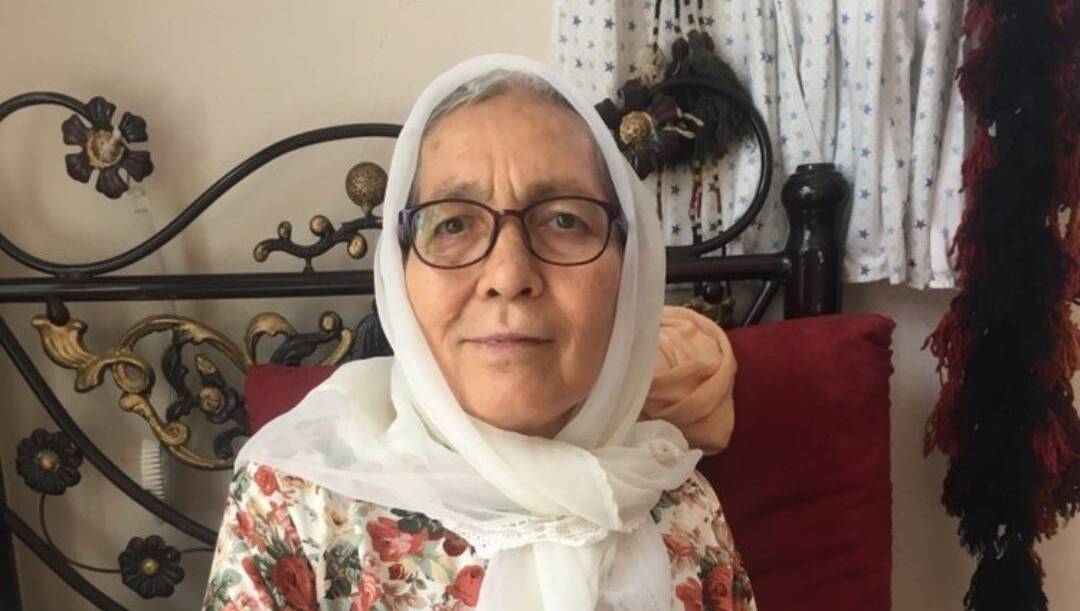
Mahbooba Faiz's mother Ruqia Alizadah, who was 10 when she found out about her arranged marriage. 

Mahbooba Faiz's mother Ruqia Alizadah, who was 10 when she found out about her arranged marriage. 

My mother was a child bride. One day while she was playing with friends in the street, her stepmother suddenly pulled her by the arm and told her to go home because her Nikah ceremony was about to take place. 

She was 10, and she had no idea that a marriage had been arranged for her with my father, who was 15 years older than her.

Her story is not unique. There are countless Afghan girls whose childhoods were interrupted by decisions made for them by others.

I have witnessed the devastating consequences of child marriage long before the Taliban adopted this regulation. 

During my work in Afghanistan, my office was located in the same building as the Directorate of Women's Affairs, where victims of child marriage were often referred after having familial problems. 

I had personally met a few of them. They were the victims of marriages they had never chosen. 

Many had been forced to leave school and experienced domestic violence and psychological trauma. 

During that time, I was working in rural Afghanistan, where communities were closely connected and families openly discussed cases of domestic violence and forced and child marriages. 

This is just another development in the Taliban’s quest to destroy the rights of girls and women, and the world is letting it happen.

Child marriages under the Taliban

Almost five years ago, the Taliban closed the doors of all secondary schools and universities to Afghan girls. Now they have taken another step in restricting the rights of women and girls. 

Through a newly approved regulation on marital separation, they have effectively legalized child marriage and made it harder for girls to escape such marriages.

This is not simply a technical legal change. It is a decision that could affect the lives of thousands of Afghan girls. 

Girls who have already lost their right to education may now face increased pressure to enter marriages before they are physically, emotionally, or psychologically prepared. 

Mahbooba Faiz as a baby on the lap of her mother, Ruqia Alizadah.

In a country where millions of girls are already excluded from school, child marriage risks becoming not merely a social problem but an officially sanctioned state policy.

The Taliban's new "principles regulation on the separation of spouses" formally recognises marriages involving children.

Instead of prohibiting child marriage, the regulation not only emphasises that such marriages are legally valid; it focuses on the limited circumstances under which a child may later attempt to challenge the marriage after reaching puberty. 

Reports show that women who, despite having ample evidence of domestic violence, have failed in the court of the Taliban to secure divorce.

There is a clear distinction. All countries design laws to protect children and prevent child marriage from occurring in the first place. 

The Taliban's regulation does the opposite. It not only validates child marriage as legal but also places the onus on girls themselves to challenge marriages that were arranged on their behalf.

Based on this regulation, a girl married during childhood will face considerable legal obstacles to end the marriage. The regulation treats silence as consent in child marriage and places the evidentiary burden on the child to prove her claim. 

In a judicial system where all judges are men and where women face significant legal and practical barriers to accessing justice, it is almost impossible for a girl to prove her case. 

Ultimately, it is the court that decides whether such marriages can be annulled. Under the Taliban's so-called justice system, the law protects marriage, not the child.

Girls under Taliban rule

For Afghan girls, this regulation arrives at a time when their rights have already been systematically dismantled. 

Since returning to power in 2021, the Taliban have closed secondary schools and universities for girls and women, banned their employment and restricted their mobility and participation in public life. 

The legalisation of child marriage adds another layer to an already extensive system of discrimination.

For girls, child marriage is not simply the beginning of married life. It is the end of childhood. It often means the loss of education, the abandonment of dreams, and the denial of opportunities that children elsewhere take for granted. 

Girls are forced into responsibilities that are considered for adults before they are even physically and emotionally prepared for them.

Girls who should be in classrooms, learning and playing find themselves responsible for adult responsibilities. 

Research shows that child marriage has devastating health consequences. There are direct links between child marriage and early pregnancy, maternal mortality, obstetric complications, domestic violence, depression, and long-term poverty. 

According to the UN Office for the Coordination of Humanitarian Affairs (OCHA), Afghanistan suffers an estimated 600 maternal deaths for every 100,000 live births, and more than 41% of women give birth at home without access to skilled healthcare workers or emergency life-saving equipment. 

Afghanistan ranks fifth highest in the world for obstetric fistula cases.

Taking the country's future away

Girls who marry young are more likely to leave school permanently and less likely to participate in economic life. The younger the girl, the greater the risks.

When girls are out of education, families may see fewer alternatives to marriage. In Afghanistan, a country affected by severe poverty and insecurity, some families may decide to marry off their daughters at a younger age.

The Taliban's policies towards women and girls have already created a cycle of deprivation and dependency which can contribute to child marriage.

Although the new regulation does not create child marriage from nothing, what makes this regulation so alarming is that it gives official legal recognition to a practice that should be eliminated. 

It sends a message that child marriage is not a harmful violation of children's rights but a legitimate social institution to be managed and regulated. This message will have consequences far beyond individual families.

Mahbooba Faiz: 'During my work in Afghanistan, I had personally met a few victims of child marriages they had never chosen.' Picture: Chani Anderson

Afghanistan desperately needs educated teachers, doctors, nurses, engineers, entrepreneurs, and community leaders. 

By increasing the likelihood of child marriage while simultaneously excluding girls from education, the Taliban are shrinking the country's future workforce and undermining its long-term development. 

The question is no longer whether Afghan girls are facing discrimination. That is beyond dispute.

The question is how much more of their future can be taken away before the world decides that enough is enough.

  • Mahbooba Faiz is a legal administrator at RDJ LLP

More in this section

Revoiced

Newsletter

Had a busy week? Sign up for some of the best reads from the week gone by. Selected just for you.

Cookie Policy Privacy Policy Brand Safety FAQ Help Contact Us Terms and Conditions

© Examiner Echo Group Limited