Diversity and inclusion policies change lives — including mine
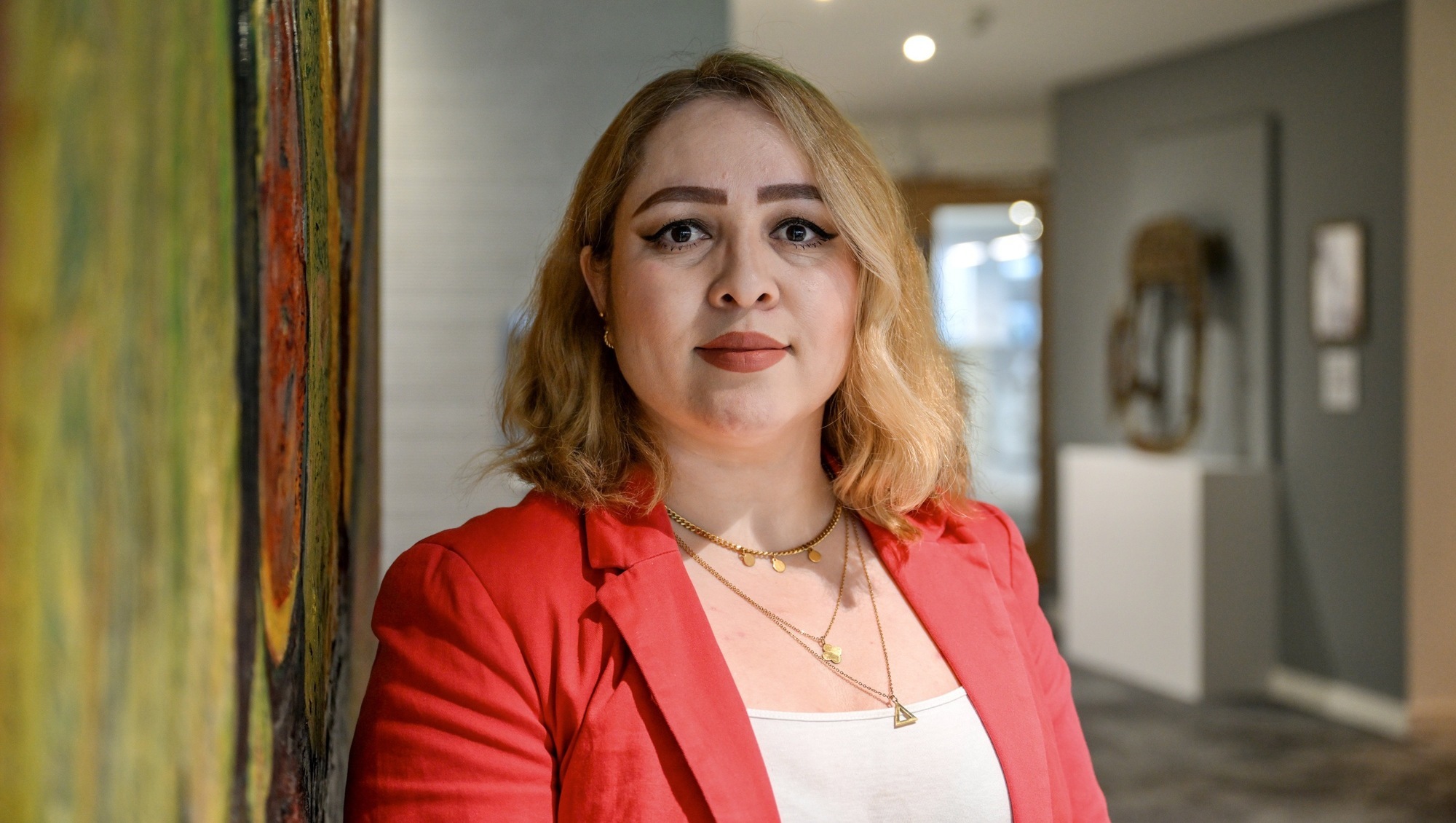
Mahbooba Faiz: 'This March, I stood in a graduation hall at University College Cork as the first Afghan female student and received my second master’s degree in law.' Picture: Chani Anderson
Across the world, diversity, equality, and inclusion (DEI) policies are facing an increasing backlash. In the United States, there are efforts to dismantle DEI programmes across government and influence the private sectors to follow suit.
Major corporations have already begun scaling back these initiatives. While Ireland has made meaningful progress in embedding equality and inclusion into law and workplace practice, these developments raise an important question: could these protections also come under pressure?
Read More
This is important because DEI is not simply a corporate trend or a political idea. It shapes access to opportunities in various sectors. Weakened or no DEI policies will have deep personal and immediate consequences. My story is one example of what is at stake.
My name is Mahbooba Faiz. I am from Afghanistan. This March, I stood in a graduation hall at University College Cork as the first Afghan female student and received my second master’s degree in law. It was a moment that, for years, felt impossible.
For me, it was not just a graduation; it was the recovery of a dream I had been forced to bury.
Years earlier, I had completed my first master’s degree in Afghanistan. I had written my dissertation and was preparing to defend it — a requirement in the Afghan education system. But on the very day I was meant to stand before my examiners, the country collapsed.
The Taliban returned to power. Universities were shut down, and lives were upended. My graduation ceremony never happened. Like so many others, my ambitions were suspended indefinitely. For a long time, I believed that it was the end of my journey in law.
My desire to become a lawyer is deeply personal. I come from one of the most persecuted communities in Afghanistan, a community that has been denied justice throughout its modern history. Growing up in Afghanistan as a member of a persecuted ethnic group and woman, I witnessed not only injustice but also a profound and collective longing for accountability. That longing still drives me to pursue justice.
After completing my bachelor’s degree, family responsibilities and work commitments delayed my legal ambitions. In 2019, I returned to postgraduate study, and I was determined to pursue a legal career. But once again, history intervened, and the collapse of the Afghan state turned that aspiration into something distant and unattainable.
My husband and I became refugees for the second time in our lives. When we were leaving Afghanistan, we were allowed to bring only one backpack. We locked the door of our home, knowing we might never return. We left behind everything, our belongings, our memories, even our dog, a German Shepherd we had to give to a friend the day before we fled.
Ireland became our destination, a country far different from anything we had known, a different language, a different legal system, a different culture.
Even for those who survive displacement, rebuilding a life is never straightforward. Starting again in a place where no one knows you, and where you know no one, carries a quiet but constant weight.
We were placed in a remote town in county Waterford. The isolation made everything harder. There was no direct public transport to Cork, the nearest city. Without a car or a driving licence, even basic mobility was a challenge, but still, I refused to give up.
I secured a three-month internship contract at law firm RDJ LLP in Cork. That opportunity changed everything.
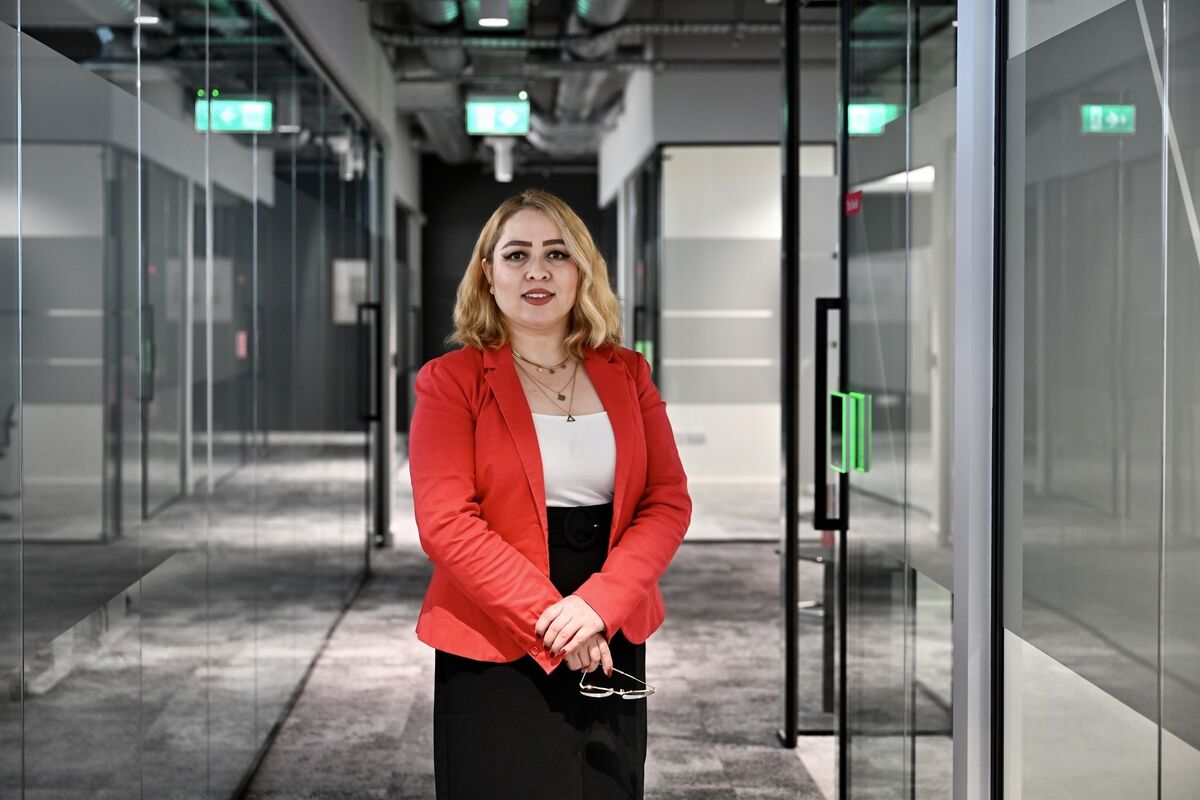
I used to get up at five in the morning and take multiple buses to reach the office. I usually returned home after nine at night. The commute would take over five hours each day. Eventually, with help from a kind teacher who offered me a lift in the mornings, life became a little easier.
However, on the way back home, I had to take the bus halfway, and then my husband, who was still learning to drive, would collect me partway. The journey became slightly more manageable, but still exhausting. I maintained that routine for more than two years.
During this period, the pressures were not only physical or mental but also deeply emotional. My mother whom I have not seen since I left Afghanistan underwent cancer surgery. I feared I would never see her again. She was already frail and weakened by years of illness. She was widowed at a young age and had endured decades of hardship.
And work wasn’t straightforward either. The Irish legal system is entirely different from what I had studied. The language of the law, office culture, and even daily routines required constant adaptation.
Every task became an opportunity to learn. I was fortunate to work with colleagues who showed patience and generosity and were never discouraging my curiosity.
It was during this time that I realised to build a legal career in Ireland, I would need a new qualification from Ireland. But how could I afford it?
I began saving every euro I could. Returning to university was not only a financial challenge but also a logistical one, given the distance between my home, workplace, and the university.
It required flexibility from my employer and a careful balance between work, study, commuting, and family life.
Once again, I was fortunate. My employer supported me in working part-time while pursuing my degree. Without that support, continuing my education would not have been possible.
At the same time, I remained engaged in advocacy. The closure of schools for girls in Afghanistan weighed heavily on me. Alongside my studies and work, I campaigned for women’s rights and for the recognition of gender apartheid in international law.
In March, I finally attended a graduation ceremony. Standing there, I was not just receiving a degree; I was reclaiming something that had been taken away from me. It was a sense of continuity, of purpose, and of possibility.
However, as I was receiving my degree, my thoughts turned to the girls in Afghanistan who are denied education. For them even attending a ceremony like this remains a distant dream. It was a moment that was profoundly sobering.
I know that my story is not typical. I was fortunate to find an opportunity, to encounter kindness and to receive support. Not all similar dreams may get that chance.
Many remain trapped by circumstances beyond their control, and their ambitions are indefinitely deferred. That is the reality of displacement.
My story shows what becomes possible when opportunity — policies that actively encourage and promote candidates whose needs are exceptional but who have the capacity to succeed — meets determination.
I mentioned at the outset that as a woman and a member of a persecuted minority, my challenges in Afghanistan were profound. Those are two of the categories that are targeted in policies that fall under ‘diversity and inclusion’.
Without DEI policies I and thousands of girls like me would be stuck in a country where they are second-class citizens, with no right to education, a career, or even a life beyond silence and servitude.
My employer would be without a capable employee and a wealth of human potential would have been squandered.
My experience is not only about personal determination but also the structures and opportunities that allow it to take shape.
The flexibility from my employer, their willingness to support my education, and the openness of colleagues to someone coming from a very different background were all the enabling conditions.
My journey is not just about resilience; it is also about what becomes possible when inclusive systems are put in place.
But these systems cannot be taken for granted. As international trends show, DEI policies can be weakened, redefined, or even removed entirely — often under the language of “efficiency” or “merit”. It impacts workplaces, communities, and individual lives.
Diversity and inclusion is not abstract; it has real consequences. It determines whether someone can contribute, rebuild, and belong.
At a time when such policies are increasingly questioned, I hope my lived experience serves as a useful example of their very real impact.
- Mahbooba Faiz is a legal administrator at RDJ LLP.
CONNECT WITH US TODAY



Be the first to know the latest news and updates