Dr Niamh Lynch: Dangerous baby products show retailers abuse parents' trust
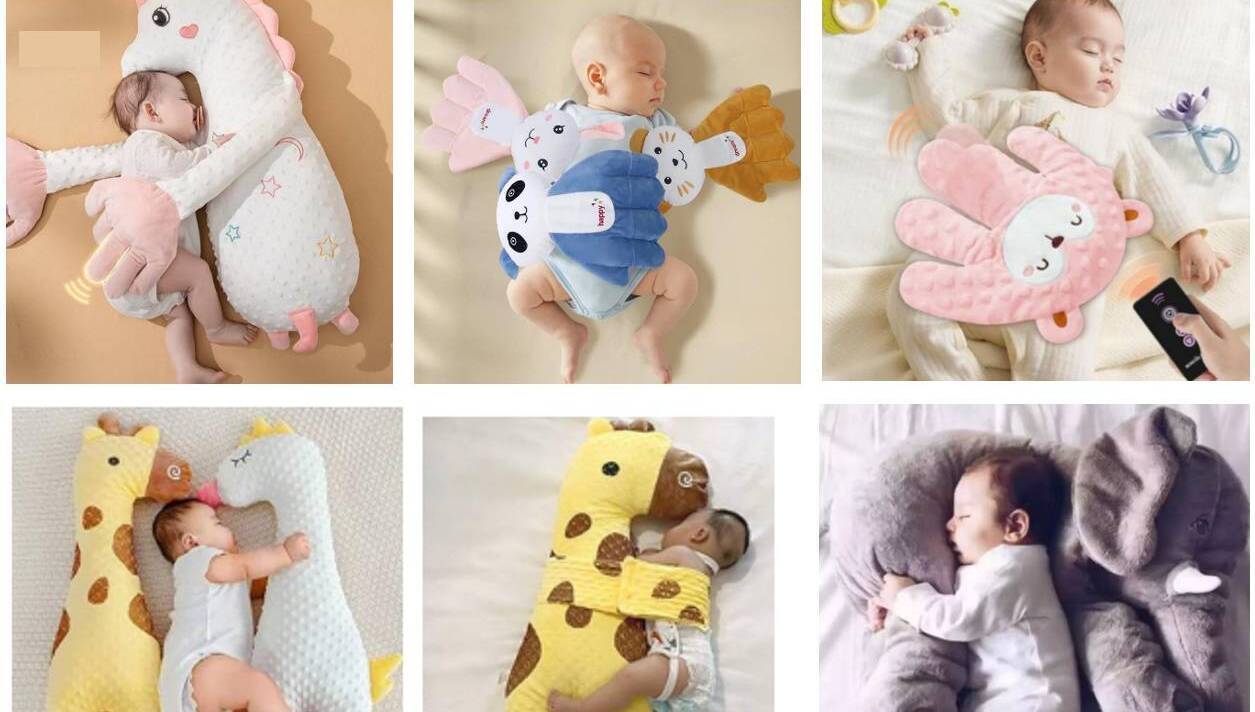
Baby sleep pillows are large, colourful pillows with long ‘arms’ that wrap around the baby, and a weighted ‘hand’ that taps the baby’s back. The idea is that it mimics what a parent would do to soothe an unsettled infant, thereby giving mum or dad a few moments to draw breath.
Baby sleep has been in the headlines this week after The Competition and Consumer Protection Commission (CCPC) issued a grave warning about baby sleep pillows.
These are large, colourful pillows with long "arms" that wrap around the baby, and a weighted "hand" that taps the baby’s back. The idea is that it mimics what a parent would do to soothe an unsettled infant, thereby giving mum or dad a few moments to draw breath.
The CCPC explains on its https://www.ccpc.ie/]website that these products pose a risk of suffocation or overheating. They bluntly conclude that "the products pose a risk of death".
Any health care professional or sleep safety expert looking at these pillows would wholeheartedly agree, but a sleep deprived parent desperate to bring comfort to their crying baby? Well, they might just click on the ‘order now’ button, unaware of the risks, and trusting that if an item is for sale, it must be safe.
But a quick perusal of the product safety notifications section on the CCPC website tells a very different tale. Item after item listed as causing safety concerns for the CCPC.
Toys not tested to the relevant safety standards. Baby carriers posing a risk of injury. Toddler toys with small parts that may break off and pose a choking risk. Sand-based toys containing asbestos. Hazard after hazard. And the vast majority of them for sale on platforms such as Shein, Temu, and Amazon.
Read More
I sometimes think it must be a very stressful job indeed being the person working in the CCPC trying to keep up with the deluge of unsafe products that arrive on our shores every day.
As is clear from the CCPC’s warning about these baby sleep pillows, and other warnings about baby products in the past, constant vigilance from parents, from healthcare professionals, other members of the public and the CCPC itself is required to catch these products before they cause real harm to a baby here in Ireland.
Toys sold in Ireland and the EU must meet strict safety regulations and carry a CE mark. However, other products used in the care of babies and children fall under a different set of regulations-the EU's General Product Safety Regulation.
This requires products to be safe when used as intended or in a reasonably foreseeable way. However, it is a fairly broad definition, and many items make it to the market under a guise of being ‘safe’ because nothing bad has happened… yet.
A very tragic example of this happened in the USA when over 30 infant deaths were associated with the Fisher Price Rock’n’Play inclined sleeper by the time it was recalled in 2019.
Ultimately these sad deaths led to the American equivalent of the CCPC, the US CPSC, banning the sale of all infant sleep products with an incline of more than 10 degrees. The reasoning behind this is that if the baby is laid at an angle where the chin rests on the chest, their tiny airway can become kinked, cutting off their oxygen supply.
Such a ban does not exist within the EU, but the advice for safe sleep is that babies should always be placed on their backs to sleep. They should sleep in their own cot, crib or Moses basket on a firm, flat mattress with a fitted sheet.
The sleep space should be completely clear of pillows, sleep positioners, nests, bumpers and quilts. These items are still widely sold, both online and in shops, despite safety recommendations.
Meanwhile parents are bombarded with images and ads that portray unsafe baby sleep environments. A 2021 study published in the journal analysed a total of 1563 Instagram images of infants in a sleep environment and found that only 7% of the images portrayed a safe sleep environment.
It is hard for public health advice, which can seem staid and boring, to compete for the kind of algorithmic promotion that posts from ads and influencers enjoy.
But here’s the thing. Social media companies have no social contract when it comes to your baby’s safety. Large online selling platforms regularly sell unsafe baby products. All indicators are that infant safety is not a priority for internet marketplace juggernauts.
This means that the onus is on parents to check that the product they are buying to try and help their baby sleep comfortably is in fact compatible with safe sleep.
But in the dark of night, when the baby seems to be seized by colic, or in discomfort from reflux, and a product is expertly guided by the algorithm onto their social media feed, promising peaceful sleep or instant relief, a very reasonable thought is "well, if it’s for sale, it must be safe".
But this is sadly not the case, and babies’ lives are endangered as a result.
It would really help parents and others caring for children if the EU regulations around baby products became more focused, with an emphasis on safe sleep, as has been done in other countries. In the meantime, healthcare professionals and the CCPC are left playing ‘whack-a-mole’ as unscrupulous manufacturers flood the market with patently unsafe sleep products.
If you are in doubt about what constitutes a safe sleep space for a baby check on the HSE website under ‘where should your baby sleep’. Remember, the safest place for a baby to sleep is alone, on their back, and in a cot.
This advice is not going to grab the attention of the algorithm, or make for viral social media content, but it has proven reliable and true and kept babies sleeping safely for decades now.
- Dr Niamh Lynch is a consultant paediatrician

CONNECT WITH US TODAY



Be the first to know the latest news and updates