Panel’s report backs EU-wide minimum age for social media use

The EU panel said 'primary responsibility' for safe products lies with social media companies.
European Commission-appointed experts have backed an EU-wide minimum age for social media use until tech companies introduce safety design features that protect children and adolescents.
The EU Special Panel on Child Safety Online said, pending this development, digital firms “should not have access to minors”, assessed as under-13s. The panel said age restrictions are an “immediate measure” for the safety of children and that the “primary responsibility” for safe products lies with social media and digital services.
Irish child safety online groups welcomed the report, citing in particular the popularity of gaming among under-13s and the threat of cyber-bullying, harassment, and grooming through gaming chat functions.
CyberSafeKids said there must be “independent verification” of proposed online products before they are introduced, not after.
The Government has stated that online safety, particularly for children, is a “central priority” for Ireland’s presidency of the EU.
It said this includes advocating for an EU decision on the “digital age of majority”.
Ireland will hold a youth forum on online security, culminating in a high-level presidency ‘Conference on Online Safety’ for EU states and commission officials.
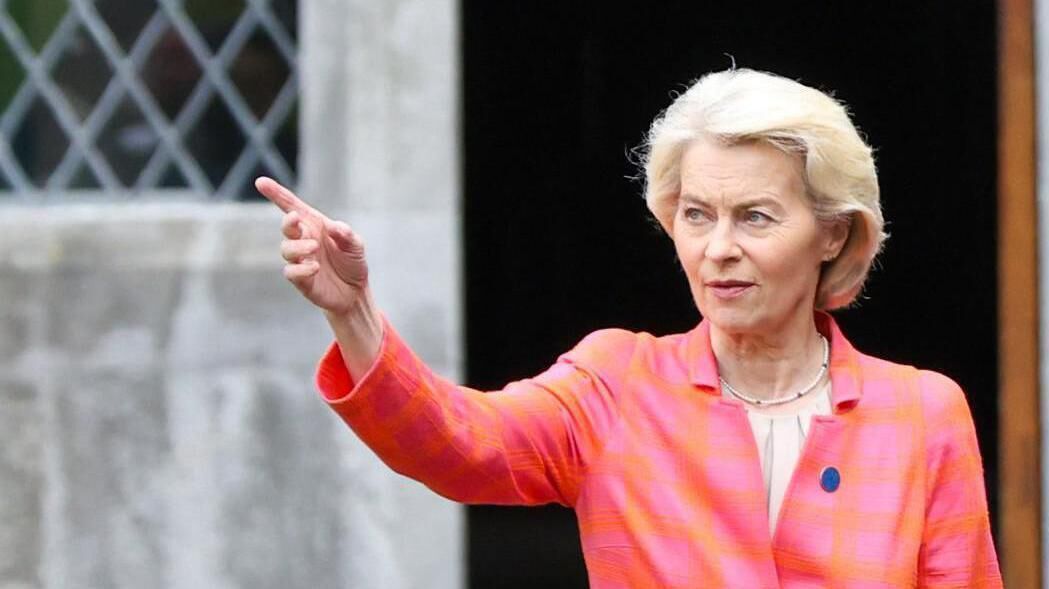
The expert panel was set up by European Commission president Ursula von der Leyen last March. Its findings will now inform commission proposals to governments this autumn, during Ireland’s presidency.
The report recognised that early studies from countries such as Australia that have introduced age restrictions have indicated that “most minors find a way to circumvent” the measures, but pointed out that some children withdrew from social media as a result.
It said France is proposing a limit of 15 years (since introduced), with Greece, Denmark, and Sweden examining similar models and many others considering it.
The Government said it supports the commission’s work but may act on a domestic level if an EU-wide system is not agreed upon.
“Specific age restrictions should apply until key safety design features protecting children and adolescents are introduced by social media and other digital service providers,” the report recommended.
“Until providers have demonstrated safe and age-appropriate features, therefore complying with EU and national measures, they should not have access to minors.”
CyberSafeKids and the National Youth Council of Ireland took part in panel consultations.
In a statement, CyberSafeKids welcomed the “significant clarity” on under-13s and the position that digital services and social media firms “retain primary responsibility” for the safety of their products.
“This shift matters in Ireland,” it said. “Gaming remains the most popular online activity for under-13s.
“Our research found AI chatbot use among eight to 12-year-olds more than doubling in a year, rising significantly again this year.”
CyberSafeKids welcomed the principle that providers must demonstrate their products are safe for 13 to 16- year-olds before they get access, but questioned how this would happen.
It said the EU Digital Services Act “falls short”, with no obligation for “pre-market” assessment of products.

CONNECT WITH US TODAY



Be the first to know the latest news and updates