Lucy Wolfe: These are the most common childhood sleep-related questions parents ask me
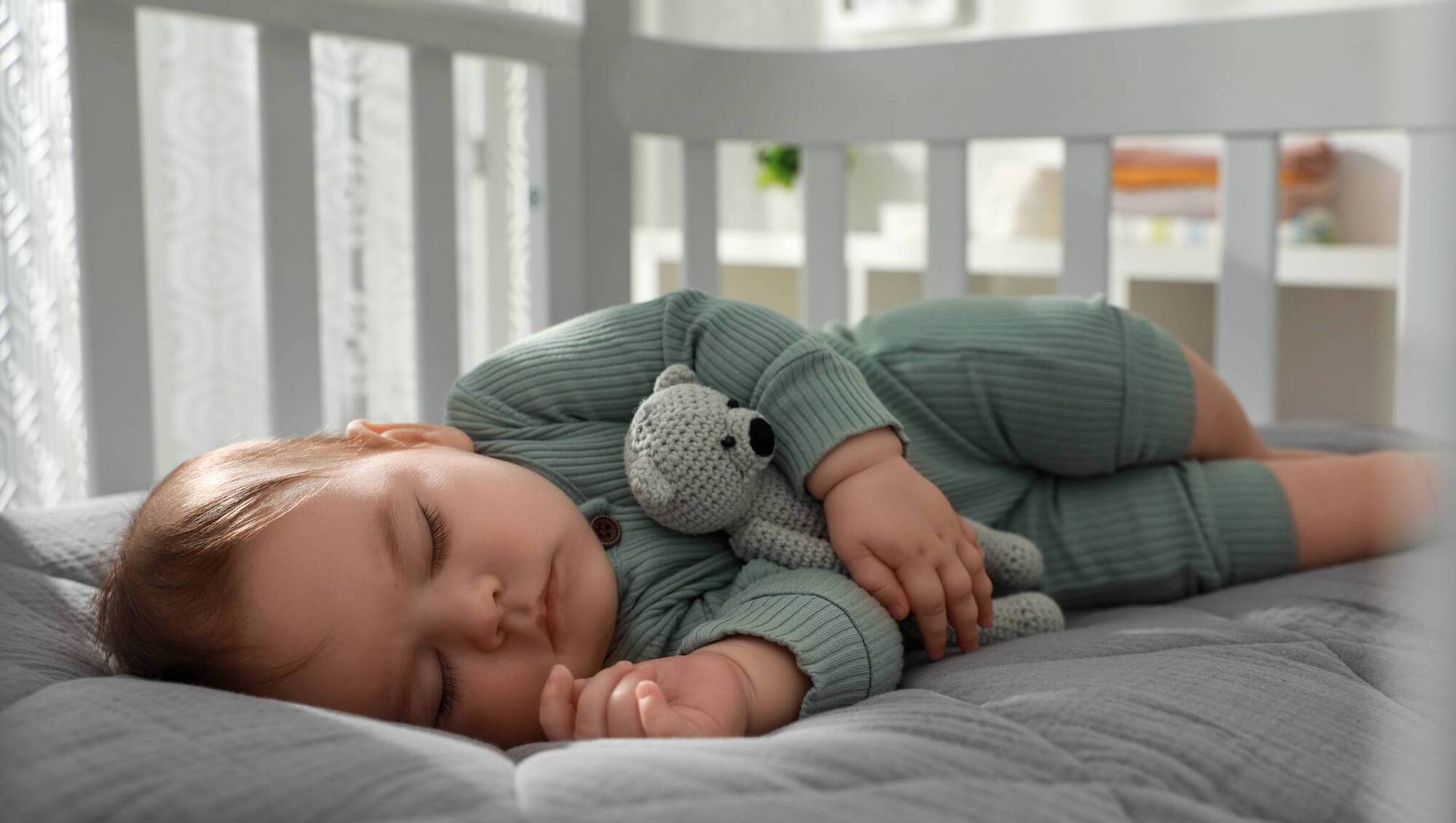
‘It’s very typical for babies, in the early weeks and months, to wake frequently and to need feeding, comfort, or just to be awake when everyone else wants to be sleeping,’ says sleep consultant and author Lucy Wolfe. Picture: iStock

“What we’re trying to do is dilute this idea that, just because the baby’s sleep is difficult or different or unexpected, that this is because a parent has done something wrong.
“Again, share the load. Perhaps one parent can go to bed earlier to get a block of sleep. Maybe sleep in shifts.
- Regular wake-times, the same time every day.
- Exposing baby to bright, natural light for about 10 minutes within the first half-hour or hour of getting up: "Morning light is a powerful organiser of sleep and regulates the internal body clock. Outdoors is preferred, but by a window is equally effective.”
- Develop a variety of ways to help your baby sleep, for example, with motion in a buggy or car: “Babies really like movement to soothe them to sleep.”
- Tune into your baby’s sleep language, what they do when they start to get tired. These cues are often not very noticeable, for example, brief eye rubs, slight yawns: “When you begin to see more obvious signs, the baby may be over-tired — potentially making it harder to regulate and go to sleep.”
- Earlier bedtimes have been shown to improve things;
- Avoid high hidden sugar intake;
- General over-exposure to TV and screens — not just before bed — seems to exacerbate night terrors;
- Heat — whether environmental in the bedroom, or a child dressed in synthetic, non-breathable materials, can be a contributory factor.

CONNECT WITH US TODAY



Be the first to know the latest news and updates