People think 'Irish food culture' is hot chicken rolls and Taytos — we need to change that
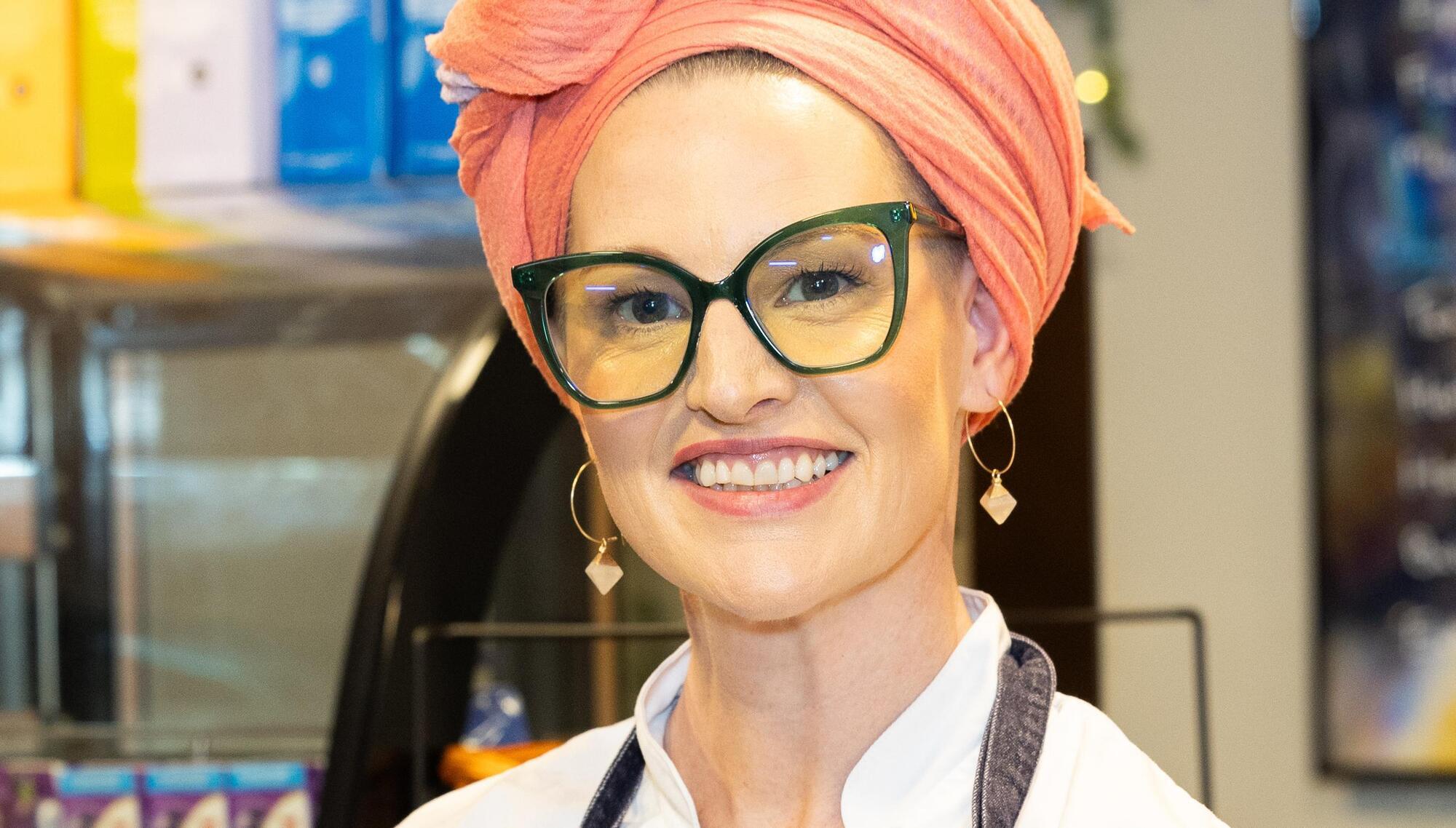
'There is no question that we produce extraordinary food,' says Orla McAndrew of Orla McAndrew Food. Picture: Darragh Kane
I was over the water recently for an awards ceremony, and got to share a room with two of my gorgeous non-Irish foodie friends. We had an absolute ball, celebrating women in food and drink across the UK and Ireland, and of course food was a hot topic of conversation.
There I was, alongside these queens, representing our Irish food and drink businesses, proud as punch, until my friends brought up the topic of Irish food culture. I can’t lie, I was immediately activated because I could detect a tone (of disdain?) in their questions and ramblings. Two women, immersed in Ireland and very much considering it their current home, part of the Irish food and beverage scene, asking why Ireland doesn’t have an identifiable food culture.
I had to take a few deep breaths before deciding on how to respond.
In my line of work and orbit of interest, I am exposed daily to people and places pushing the envelope and agenda of Irish food culture. I witness first hand the passion and pride, the striving and efforts to communicate with each other, government departments, and the general public. My friends' musings instantly burst my bubble — without warning!
“Food culture is the way people understand the place they visit,” my friends intimated. “What do you think most visitors to this country think Irish food is?”
I had to pause and think about the way we present ourselves to tourists and travellers, and indeed to our own market; about what the majority of restaurants and cafes are serving up, and what that is saying about Irish food culture, in spite of the best efforts of those of us who would like to communicate the truth about Irish food history and its role in how our food culture should be received.
Read More
What actually is Irish food culture?
Apparently, it is not what we tell ourselves it is. It is not the glossy version of the Wild Atlantic Way that we export. Irish food culture can be more truthfully understood as the thing people actually encounter when they land here and begin trying to understand us through how we eat.
My friends offered an explanation for their understanding of a lack of Irish food culture by citing what Greek or Italian food culture instantly conjures. Even countries with difficult economic histories often retain a strong, coherent sense of themselves through food.
There is no question that we produce extraordinary food. Some of the best dairy in the world. Incredible beef and lamb. Seafood. Butter people smuggle home in their suitcases. And yet somehow, culturally, we still often communicate food through the lens of value rather than pleasure.
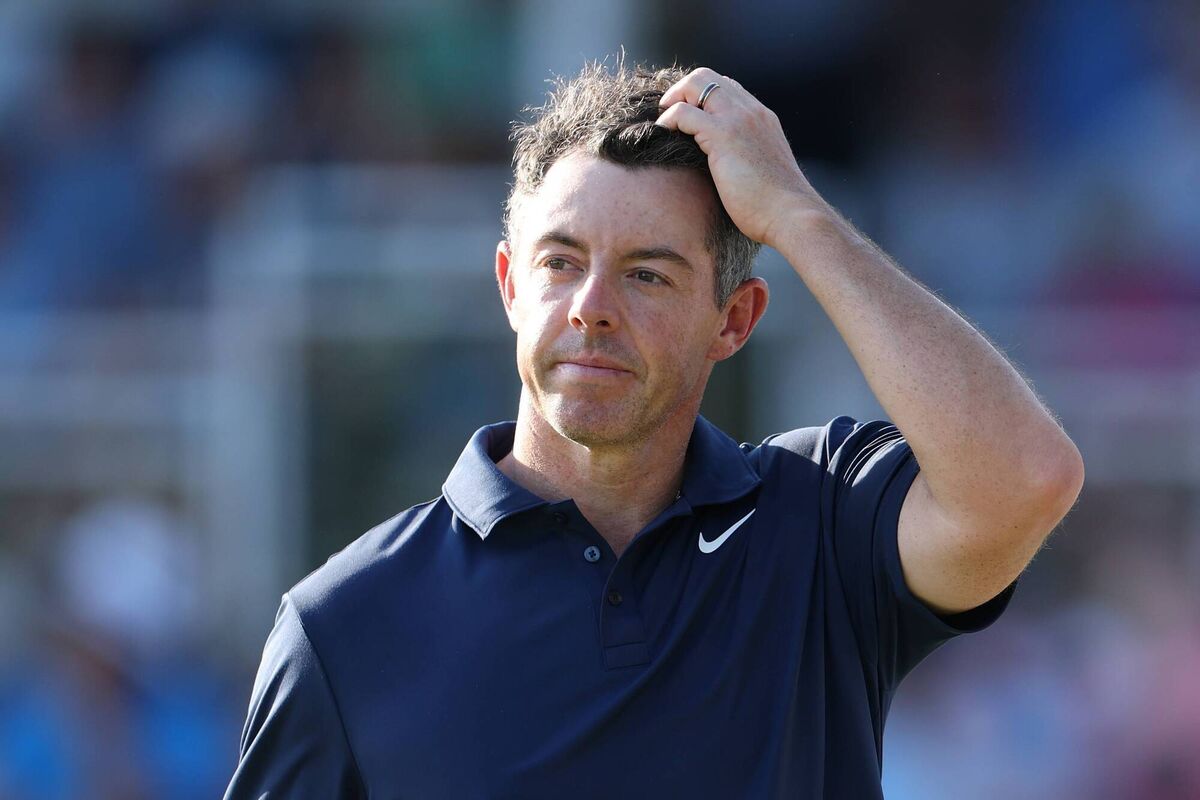
We even saw it recently in the reaction to Rory McIlroy joking publicly about not including more Irish food at a high-profile event because he “wanted to enjoy it himself”. It was framed as a throwaway line, but the response to it revealed something really uncomfortable. An uneasy sense that he was suggesting Irish food is somehow less refined, less exciting, or less worthy of celebration on an international stage.
Both of my friends felt the dominant driver in Irish consumer behaviour was still price above almost all else.
Not entirely unfairly either, when you acknowledge the prevalence of Temu, fast fashion mountains, and trolleys full of ultra-processed food. Restaurants are genuinely under pressure to offer more and more for less and less.
Even at weddings, there is much discourse around whether guests will feel they “got enough”, as though abundance and generosity are only measurable in physical excess.
Ireland was poor for a very long time. Food insecurity sits much closer to the surface here than we sometimes admit. Scarcity leaves fingerprints on cultures for generations. The fear of not having enough doesn’t disappear simply because GDP rises.
Maybe that’s partly why Irish hospitality is so bound up in overfeeding people.
In our rush to modernise, we became slightly detached from our own food identity. We industrialised rapidly. We learned to distrust our own traditions because so many of them were associated with hardship. Meanwhile, other countries protected and mythologised theirs.
And now we exist in a strange contradiction where Ireland exports phenomenal ingredients, while many Irish people themselves don’t entirely know how to describe Irish cuisine beyond breakfast rolls, chicken fillet rolls, stew, pints, Tayto, and the occasional seafood chowder.
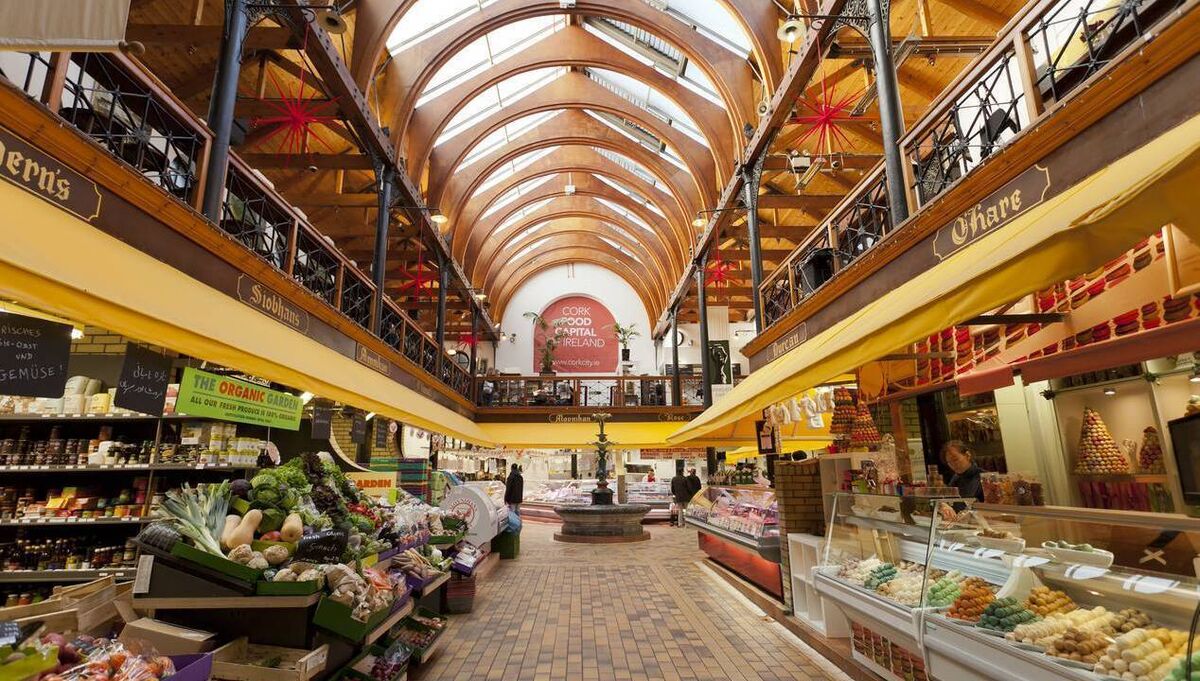
When other people talk about food cultures they admire, they are rarely talking about luxury. They are talking about tradition and pride, ritual and connection between land and table - an understanding that food is not merely fuel or financial calculation, but identity made visible.
And I don’t think Ireland fully knows its own story yet. The irony is that some of the most exciting things happening in Irish food right at this moment are deeply rooted in values we’ve always had. Seasonality. Preservation. Resourcefulness. Community. Hospitality. Growing things well because the alternative was hunger.
We have an inherited shame that comes from generations of poverty and famine. A sense, perhaps, that Irish food is plain and nothing to be celebrated.
Before it, Ireland had an extraordinarily rich food tradition tied to oats, dairy, fish, wild foods, grains, seasonal eating, and communal food practices. Afterwards, biodiversity collapsed and our native food knowledge fractured. The potato itself became both a symbol and a punchline.
We followed that up with decades upon decades of economic hardship and emigration where aspiration often meant distancing yourself from anything that looked “too Irish”. Progress became associated with imported culture. Foreign food carried status. Irish food carried memory.
There was a recent social media frenzy when an Irish TV personality suggested in an interview that her parents had introduced her to better food than Irish people traditionally ate. The example of 'exotic', sophisticated food she gave was ratatouille. Traditionally a peasant dish, somehow it has become wrapped up in aspiration and lifestyle performance in ways Irish food rarely gets afforded internationally.
I would argue that Irish ingredients were never the issue. What got lost in translation was the storytelling.
You'll find that countries with strong food cultures tend to have continuity, but Ireland’s story was interrupted over and over again.
I don't think I’m overstating anything when I respond passionately to questions about Irish food culture. We as a nation are beginning to reconnect with the truth of our food story. We see bakers reviving heritage grains; farmers returning to biodiversity; young chefs looking to elevate native seasonal ingredients on their menus as status symbols; conversations around food sovereignty and sustainability becoming mainstream. People are beginning to ask not just “what tastes good?” but “what belongs to this place?”. That is such an important leap in our connection to the past.
Food culture is never just about the plate. It’s about identity. Memory. Power. Geography. Climate. Class. Colonisation. Pride. Shame. Survival.
It makes me proud to know that Irish food culture has been there all along beneath the surface, waiting for us to rediscover it.


CONNECT WITH US TODAY



Be the first to know the latest news and updates