‘We were always here’: Cork Public Museum opens permanent LGBT history exhibition
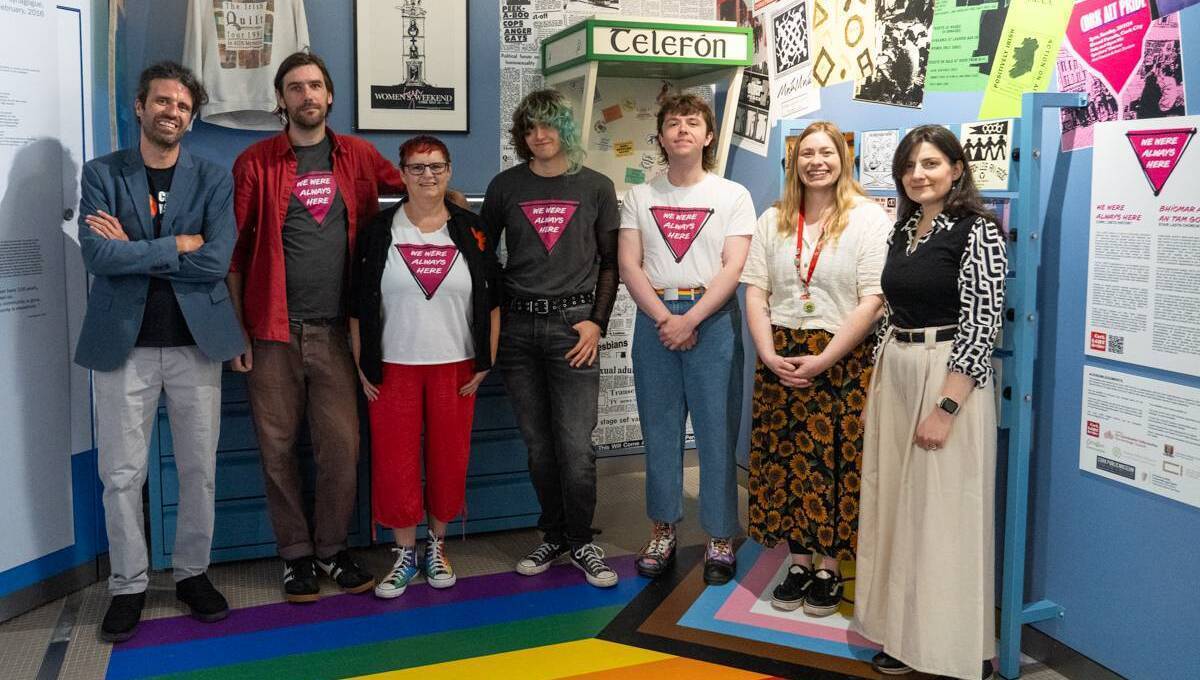
Daniel Breen, curator, Cork Public Museum; James Furey, digital archivist, Cork LGBT Archive; Orla Egan, exhibition curator and founder of Cork LGBT Archive; El Egan Morley, Cork LGBT Archive; Richard Keyes McDonnell, Cork LGBT Archive; Jessica Cull, Cork Public Museum, Mera Qamar, Cork Public Museum.
Cork Public Museum has announced the opening of its latest exhibition, .
The exhibition is a collaboration between the museum and the Cork LGBT Archive and will open to the public today.
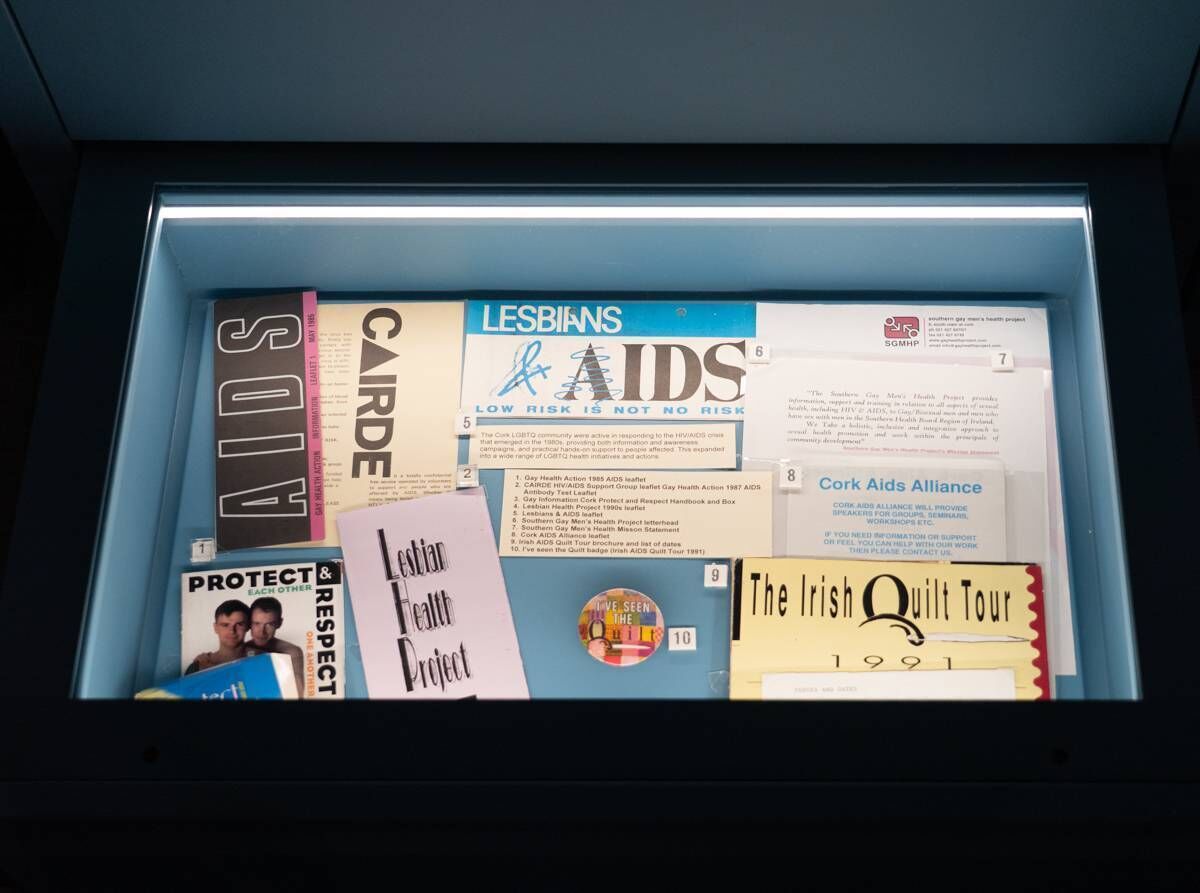
Using original documents, objects and personal possessions, the exhibition traces LGBT+ history in Cork through the stories of the people and organisations that sought to support and defend the LGBT+ community, particularly during the period when homosexuality was illegal in Ireland, until 1993.
The display is a celebration of activists who created, and continue to create, social and cultural spaces, challenge prejudice and help bring about lasting social and political change.
HISTORY HUB
If you are interested in this article then no doubt you will enjoy exploring the various history collections and content in our history hub. Check it out HERE and happy reading
It marks the first time a permanent LGBT+ exhibition has been installed in any Irish museum and coincides with the 50th anniversary of the opening of the first gay centre in Cork on MacCurtain Street in 1976.
The Cork LGBT Archive, established in 2013, gathers, preserves and shares the rich history of Cork's Lesbian, Gay, Bisexual and Transgender communities.
Orla Egan, exhibition curator and founder of the Cork LGBT Archive, said: “Too often the history of the LGBT community has been invisible, ignored or erased. Having Cork’s LGBTQ history on display in the Cork Public Museum will ensure that it is accessible and cannot be forgotten or ignored.
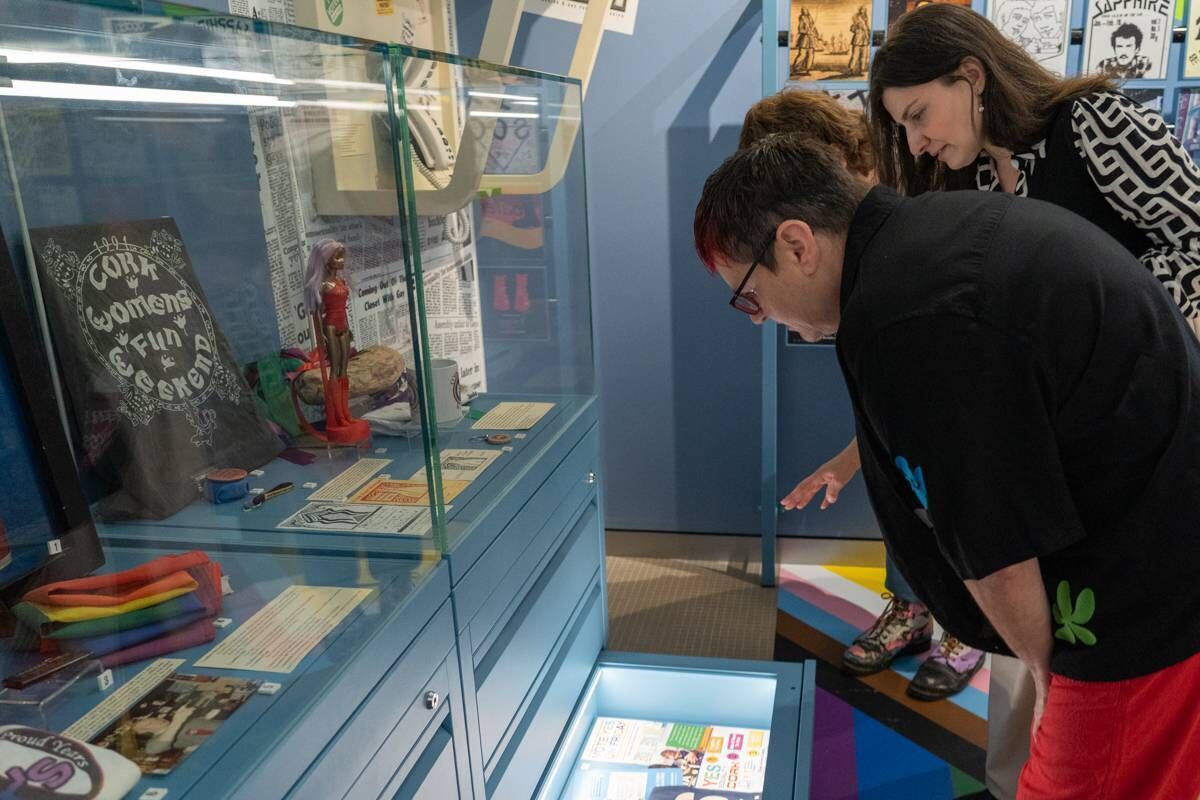
“It sends a powerful message of respect and inclusion for a community that too often has experienced prejudice, punishment and exclusion.
“This is even more important in today’s world when we are witnessing an increase in transphobia and homophobia in the world.”
The exhibition was funded by Cork City Council, the Heritage Council of Ireland and the Department of Culture, Communication and Sport.
CONNECT WITH US TODAY



Be the first to know the latest news and updates