The tricolour is a powerful symbol of inclusion so let's reclaim it from those who use it to sow division
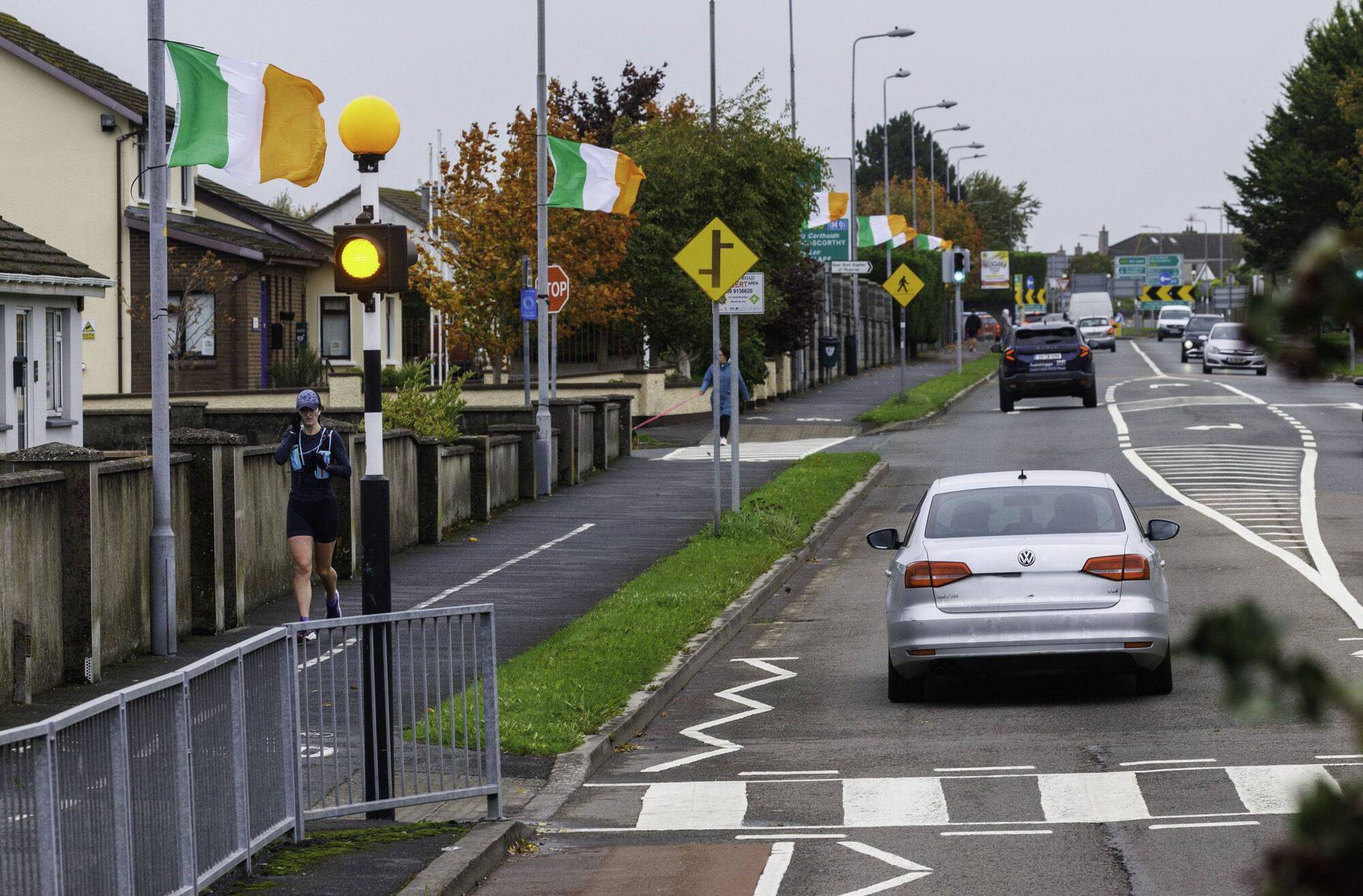
When the tricolour is used in ways that seek to narrow the definition of who belongs or to cast doubt on democratic outcomes, it creates a deep and troubling contradiction. Picture: Michael O'Rourke Photography
If I was to fly our Irish flag outside my home right now, what conclusions would people draw about me, and why is this important? It is a simple question, but it carries a weight that would have seemed unusual not so long ago.
The answer should be straightforward. Flying the Irish tricolour ought to be an unremarkable expression of national identity, a quiet signal of belonging to a shared republic. Yet in the current climate, it feels more complicated than that.
I recall cycling through suburban Copenhagen many years ago and seeing most homes flying the Danish flag. When I asked a Danish friend why this was the norm, he told me it was simply an expression of pride, of community, of belonging. There was no political signal in it, no sense it aligned you with one viewpoint or another. It was just a quiet and confident expression of being Danish. Why does it feel different in Ireland?
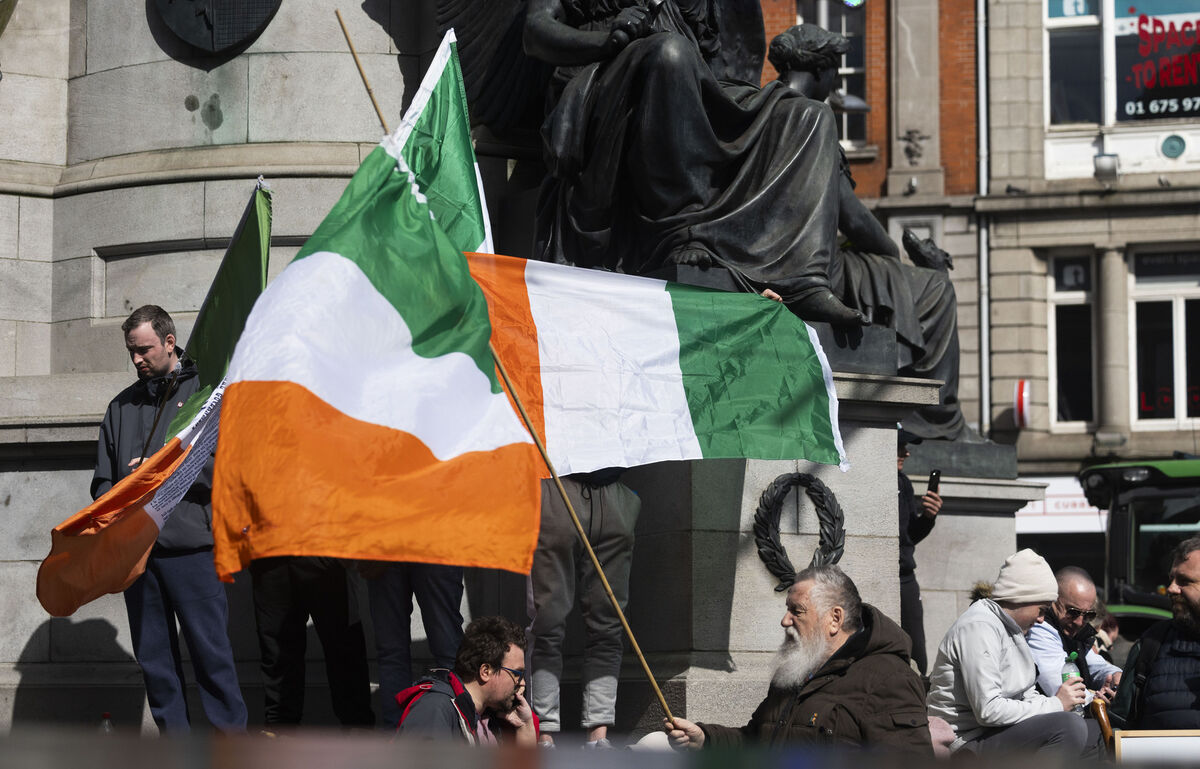
In recent days, the Irish tricolour has been raised, waved, and worn by individuals and groups who claim to speak for the people, even as they challenge the very democratic processes through which the will of the people is expressed. It is an unsettling sight, hinting at a shift from something shared to something more contested.
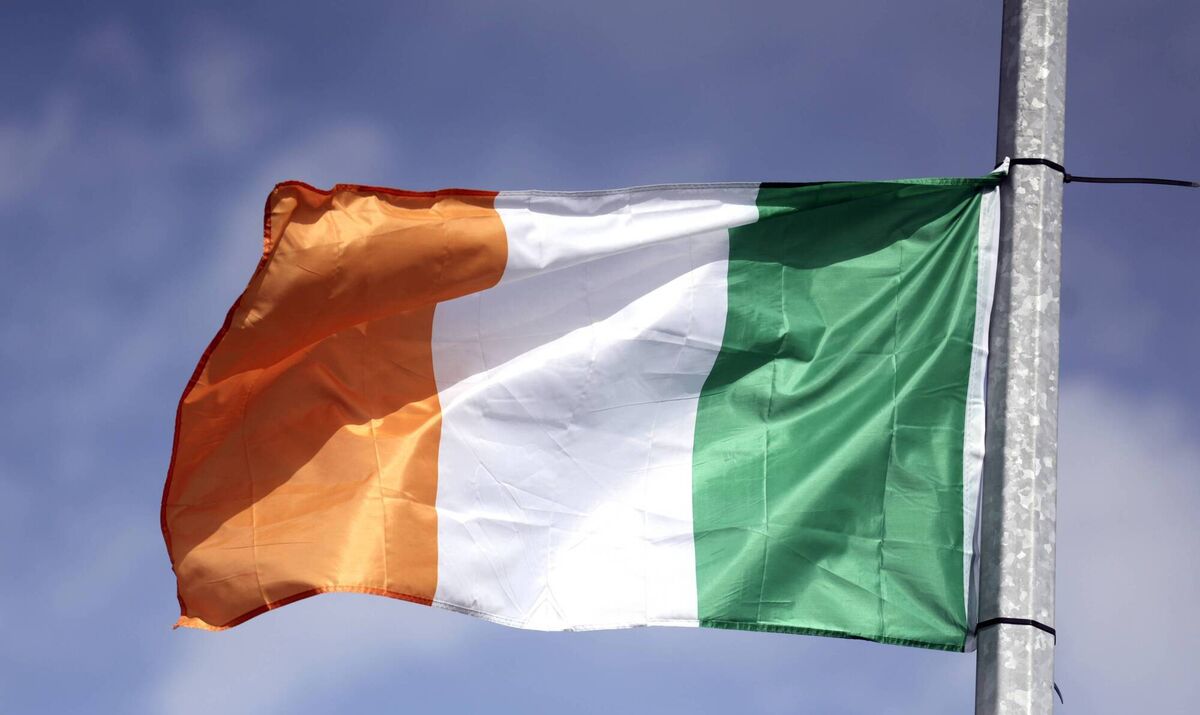
Because the tricolour is not just another emblem. It is one of the most carefully conceived national flags in the world. Its meaning is not accidental, nor is it ambiguous. The green represents the nationalist tradition, the orange the unionist community, and the white between them symbolises peace.
We have seen this elsewhere. In the United States, the Stars and Stripes, long regarded as a unifying emblem, has in recent years become increasingly politicised. In certain contexts, it is no longer read simply as a symbol of national identity but as shorthand for a particular ideological position.
The same has been true in Britain where the Union Jack and the St George’s Cross have at times been associated with exclusionary politics, particularly around immigration and national identity.
The pattern is consistent. A symbol that once belonged to everyone becomes more closely identified with a particular political current. With repetition, that association begins to shape how it is perceived. What once felt universal can start to feel partisan.
Over time, some citizens may come to feel that the symbol no longer speaks for them at all. This is not because the flag itself has changed, but because its meaning is being contested in public space.
Ireland is not immune to this dynamic. The very potency of our national symbols, forged through struggle, sacrifice, and a long journey to independence, makes them especially vulnerable to appropriation.
When the tricolour is used in ways that seek to narrow the definition of who belongs or to cast doubt on democratic outcomes, it creates a deep and troubling contradiction. A flag designed to represent co-existence is being deployed in ways that imply exclusion. A symbol intended to bridge traditions is being used to elevate one perspective above all others.
It is important to be clear about what is and is not happening here. No group, however vocal, owns our Irish flag. It cannot be claimed, captured, or redefined by any single movement. Its meaning is rooted in the founding ideals of the State and in the broader aspirations of the people it represents. To suggest otherwise is to misunderstand both the flag and the republic itself.
The tricolour belongs to all of us equally, unconditionally, and without exception. It belongs to those who agree and those who disagree, to those in power and those who oppose it, to those whose voices are loud and those whose voices are rarely heard.
Those are not abstract ideals. They are the foundation of our democracy. And democracy, by its nature, is sometimes noisy, sometimes frustrating, and often imperfect. But it remains the only legitimate means by which the will of the people is expressed.
To challenge that process while draping oneself in the national flag is not an act of patriotism. It is, at best, a misunderstanding of what our republic demands and, at worst, an attempt to cloak division in the language of unity.
So let us reclaim our flag from those who would divide rather than unite. If we believe in pluralism, respect, and democratic legitimacy, our tricolour can still express those ideals, but only if we insist on that meaning and live by it.
Perhaps the answer is simpler than we think. We might look again to the example of the Danes, and choose to fly our flag more often, and more openly, not as a statement of division or grievance, but as a quiet and confident expression of belonging. Not to exclude, but to include. Not to assert superiority, but to affirm a shared identity. Not to deepen difference, but to signal unity and harmony.
- Ciarán Cannon is a former minister of state at the Department of Foreign Affairs

CONNECT WITH US TODAY



Be the first to know the latest news and updates