Ursula Shannon fought for the Bessborough babies — now we must continue
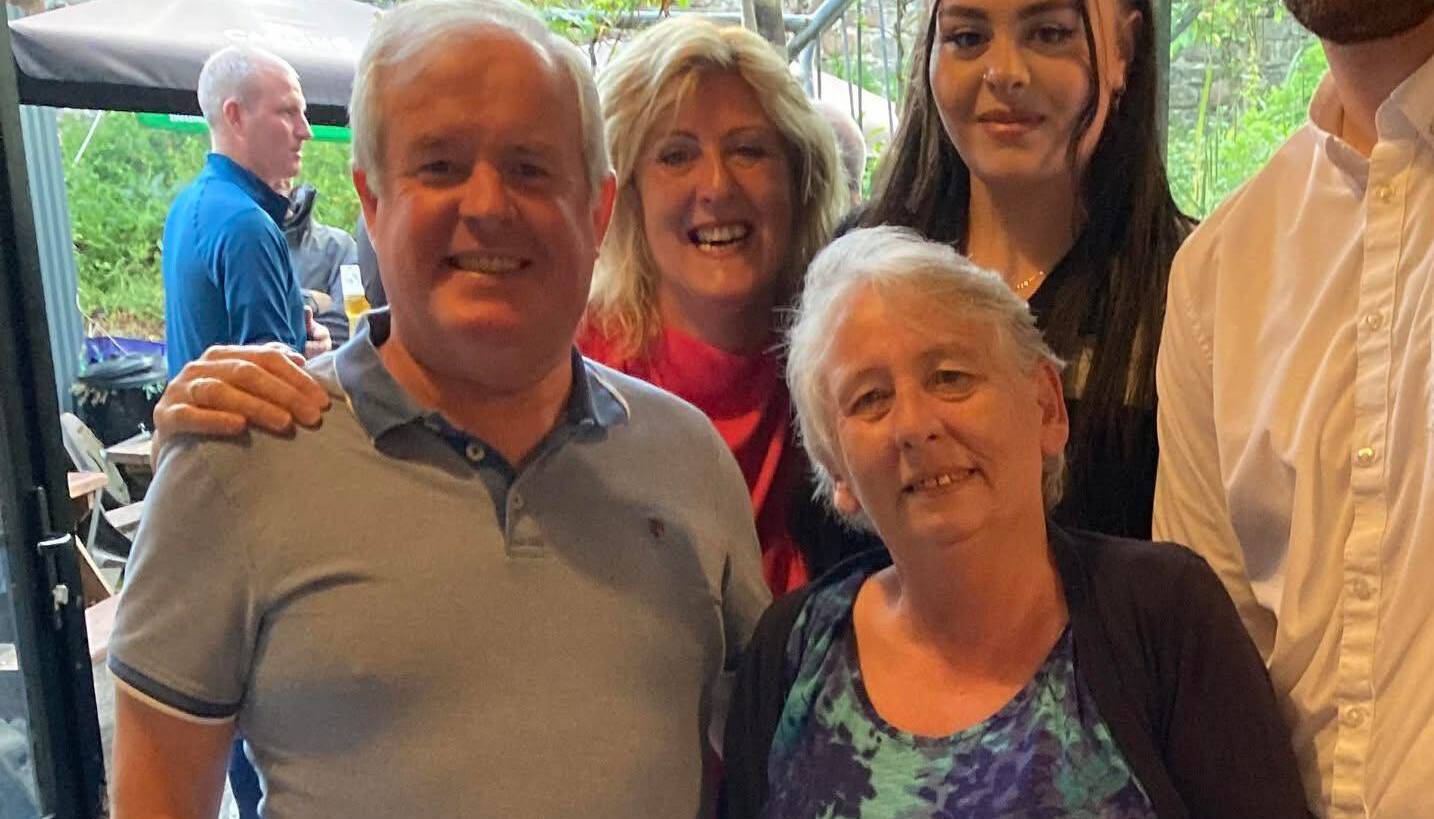
Ursula Shannon (right) with her husband Terry (left) who said: 'I believe the decision to allow development on the site is a bad one and shows just how out of touch our planners are with members of council and the local community.'
Plans to further develop the grounds of the former Bessborough Mother and Baby Home in Cork have, once again, forced us to confront one of the darkest chapters in Irish history.
The original Bessborough site was 210 acres, of which 150 has already been built on, providing housing, a hospital, offices and a retail park. This latest development would involve the demolition of a number of buildings and the construction of 140 residential apartments.
Read More
As part of the permission granted by Cork City Council, existing buildings on the site are also to be redeveloped for residents, including a library, workshop and function space, alongside a new pedestrian and cycle bridge and outdoor amenity areas.
The excavation works relating to the development must be monitored by a forensic archaeologist and an osteoarchaeologist with expertise in juvenile skeletal remains.
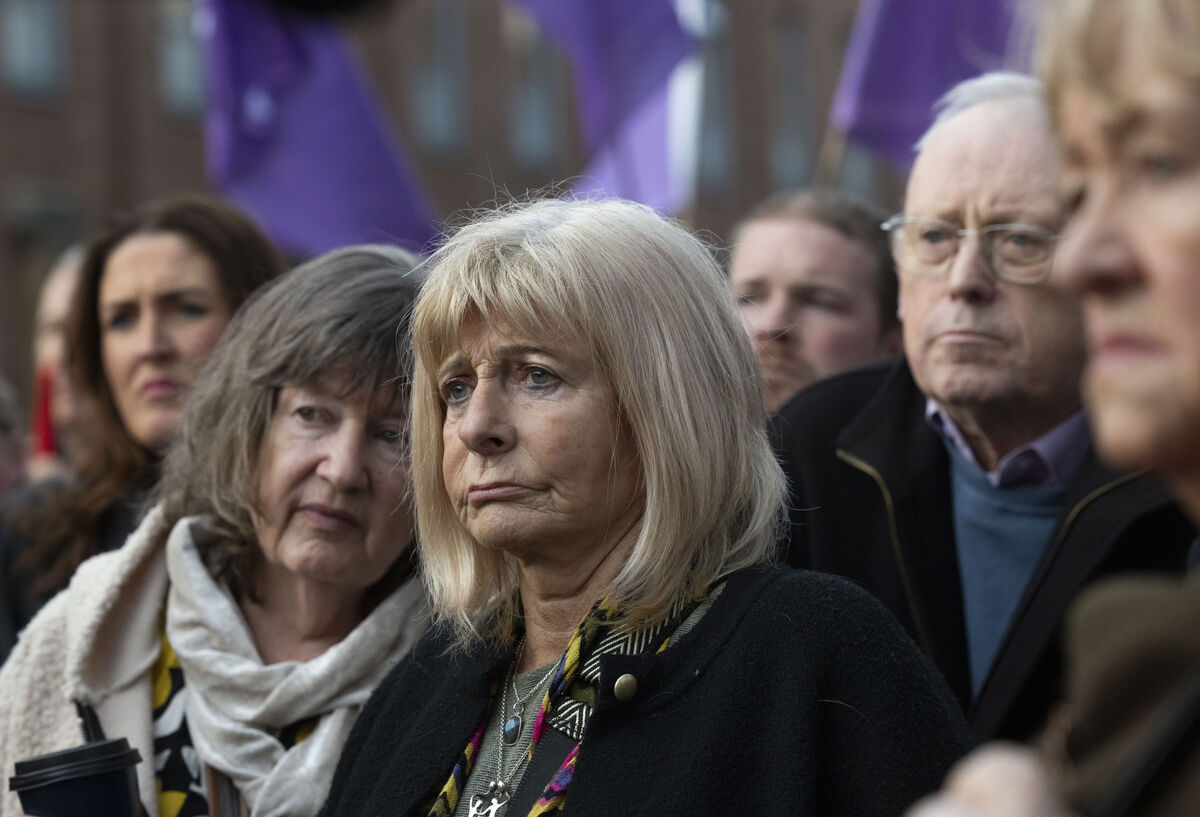
This is a chilling reminder that the 140 planned apartments would be built on land where more than 900 babies died, the vast majority of whom remain unaccounted for.
Planning conditions state: “In the event of human remains being located, all work shall cease at all parts of the proposed development site and all relevant authorities, including the City Coroner and An Garda Síochána, will be informed of the location of unidentified and previously unrecorded modern human remains.”
That this warning forms part of a residential planning application should horrify us all.
So it comes as no surprise that campaigners, survivors, historians, human rights advocates and politicians from across the political spectrum have voiced outrage and serious concern that planning permission has been granted.
Last week, a debate in the Dáil heard TDs describe Bessborough as “a site of conscience”, “sacred ground”, and “a potential mass grave”.
Many called for the development to be halted, demanding a full forensic investigation and for the State to compulsorily purchase the land to preserve it as a memorial site.
As Pádraig Rice TD said:
As an adoptee himself with his own connection to Bessborough, Ursula's husband, the former Lord Mayor and current City Councillor Terry Shannon said: “I believe the decision to allow development on the site is a bad one and shows just how out of touch our planners are with members of council and the local community.
"It is an area that needs proper commemoration, but it’s also an area that should be kept as a regional park for the general population of that side of the city, where there is a dearth of green area.”
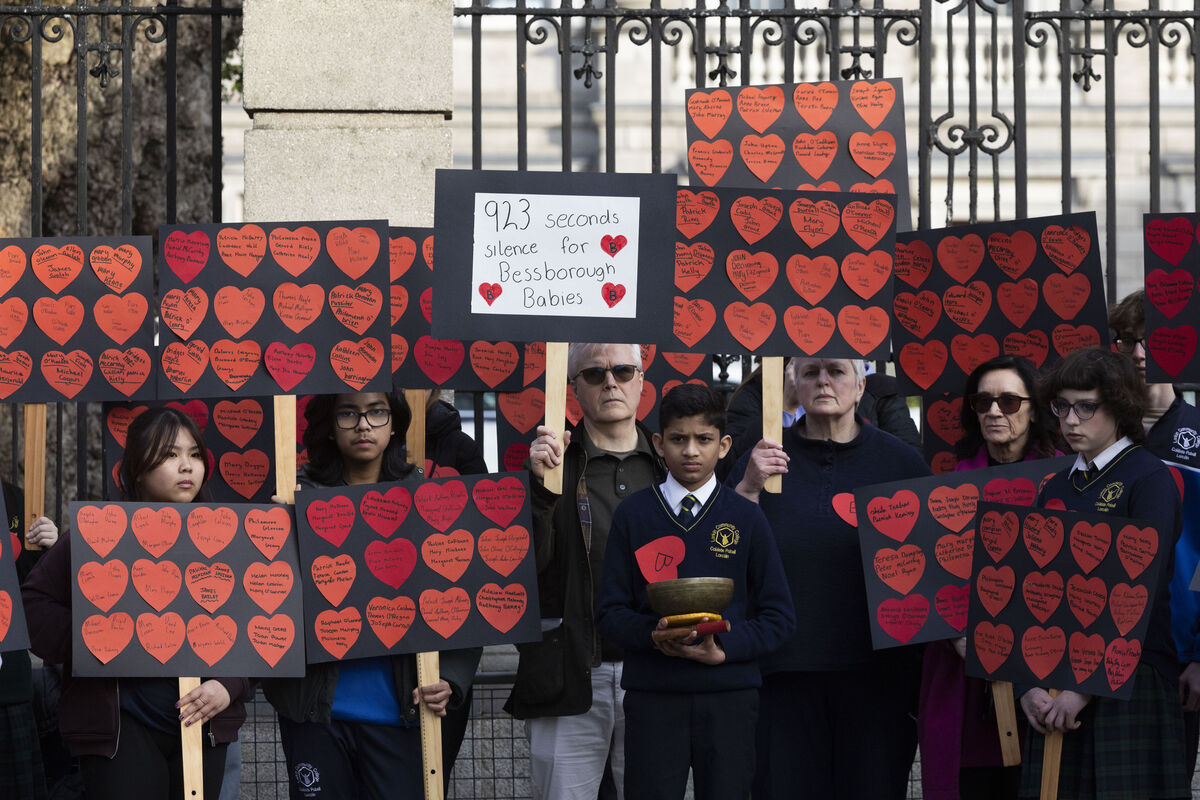
Between 1922 and 1998, more than 18,000 women and children passed through its doors. 923 babies never left, many still with no grave to visit.
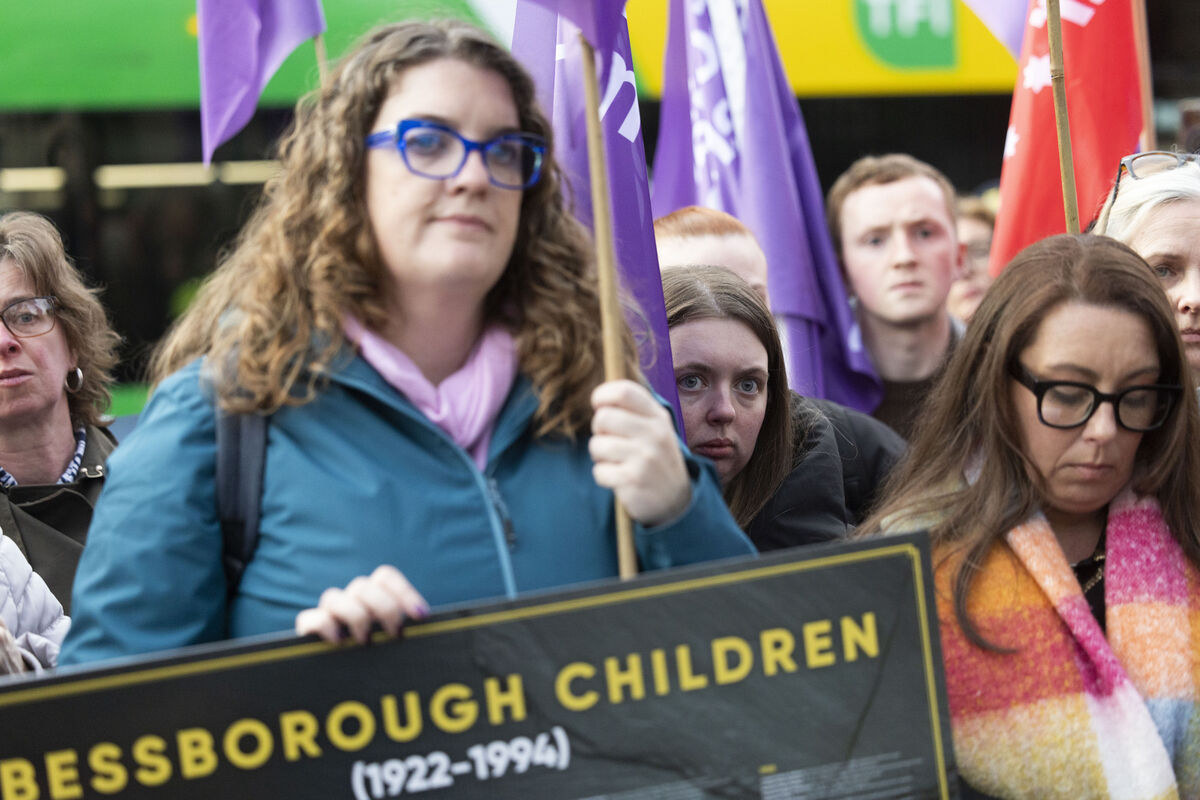
Survivors and families have campaigned for decades, demanding truth, recognition, dignity, and remembrance. They have fought not only to uncover what happened inside Bessborough and other mother and baby homes, but to ensure the dead are not forgotten.
Many survivors are still fighting for answers, struggling with records so heavily redacted as to be almost meaningless — and that is for the fortunate ones who manage to access them at all.
I write this as Ursula's friend, having witnessed the pain she carried, and the extraordinary determination with which she fought for adoptees, survivors, and the babies who never came home from Bessborough.
Ursula died on Christmas Day 2024 and is no longer here to continue the fight herself. She was many things — a mother and grandmother, a wife and daughter, a former Lady Mayoress, and also a woman who spent much of her life searching for the truth of who she was.
Born as Bernadette McNally in Paddington General Hospital on February 18, 1964, to her Irish mother Mary, who was working in England, Ursula was taken from her mother following her birth and returned to Ireland, to Bessborough, from where she was adopted by Jim and Sheila O’Keeffe, who gave her the name Ursula.
In her own words, she had been “trafficked to Ireland for adoption”.
After the deaths of her beloved parents, Sheila and Jim, with whom she shared a wonderful life, she began the painful search for her birth family.
Despite the challenges that journey posed, and while those of us close to Ursula saw the toll it took on her, she carried many people with her, putting her considerable energy into helping others on the same road, becoming a fierce advocate for adoptees and survivors of Ireland’s mother and baby homes, campaigning tirelessly for truth, dignity, and recognition.
Not a woman to do things by half, she took her fight into the heart of the British establishment, demanding in Parliament that they “find their moral compass for those that have suffered and those who are still suffering”.
Ursula was lucky; her story had an ending. Her search ultimately led to her finding, and meeting, her birth mother Mary, before reuniting, under the clock at Paddington Station, with her sister Sarah and brother Dave, who, along with their families, became an important part of who she was.
But for many of those born in and adopted out of Bessborough, their story has no ending, and their search continues while the babies who died there lie in unidentified and unmarked graves.
Ursula can no longer campaign for them, so now we must do it for Ursula — and for others like Carmel Cantwell, whose mother Bridget gave birth to a son, William, at Bessborough in 1960.
“Is it too much to ask,” Carmel said, “that the last 60 acres be preserved as a park of remembrance for the 923 babies that died, the 31 women, and the nearly 19,000 women and children that went through Bessborough?”
We must honour the babies, like William, who never came home from Bessborough — not as history or statistics, but as children whose stories were never told, their little bodies lying nameless and blameless in unmarked and unrecognised graves.
We must campaign to ensure that this sacred ground is never disturbed by diggers or development. To build on it would be another betrayal of those who were already failed in life.
Yet there is hope.
While many women left Bessborough to live lives shaped by secrecy and shame, future generations do not have to.
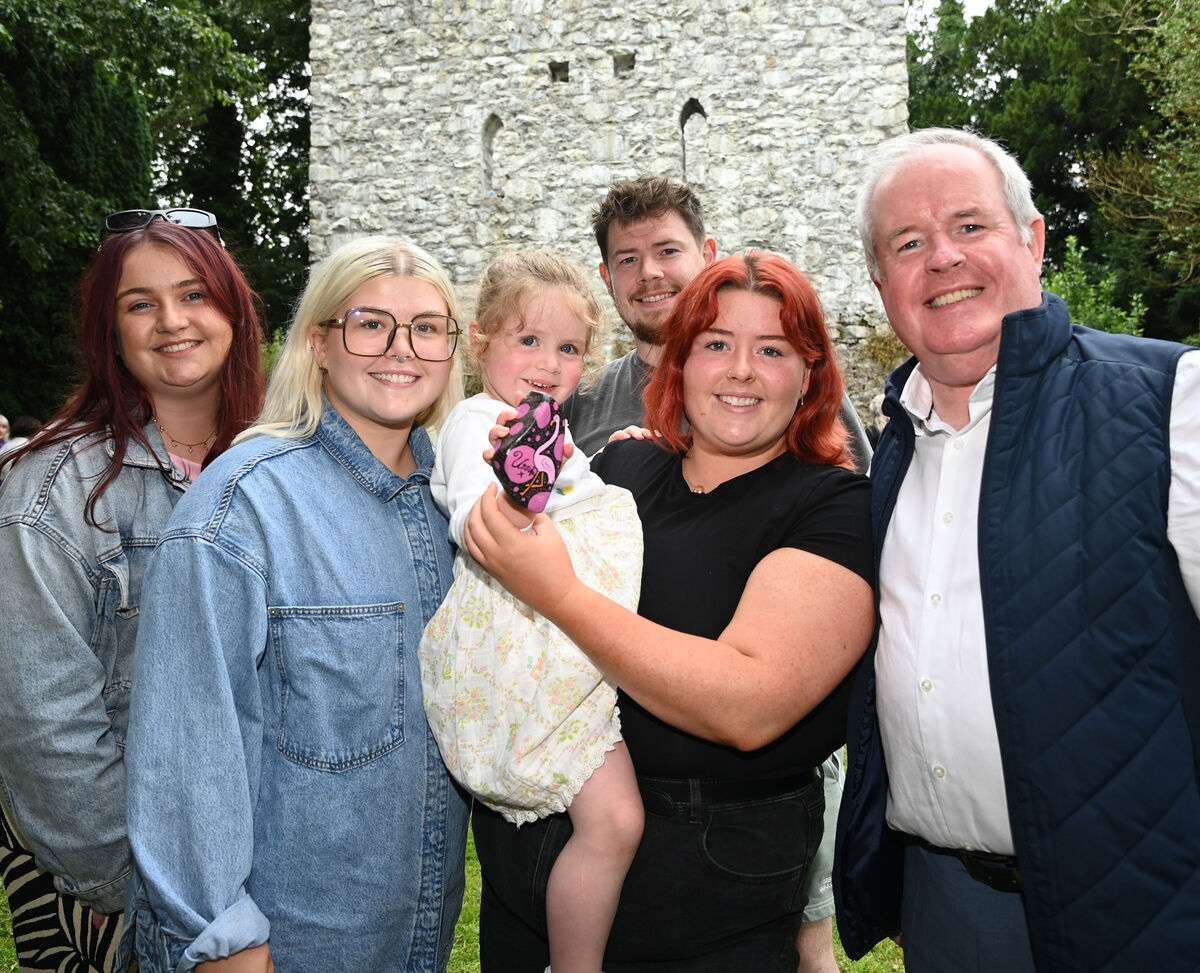
Last month, Ursula and Terry’s son Robert and his wife Izzy welcomed a baby boy into the world, born into a life that so many mothers and babies, including his grandmother, were denied.
Artán, “little bear”, whose name comes from Ursa — bear — carries a powerful legacy, and we have no doubt that, with the love of his family and Ursula’s spirit, he will do his grandmother proud.
In Ursula’s memory, we are determined that the fight she carried for so many years will not end with her.
There is petition is at change.org which I will be signing in Ursula’s name, and in the name of all the babies buried at Bessborough.

CONNECT WITH US TODAY



Be the first to know the latest news and updates