Fergus Finlay: Authentic fuel price protest was distorted by its tactics — and a torrent of abuse
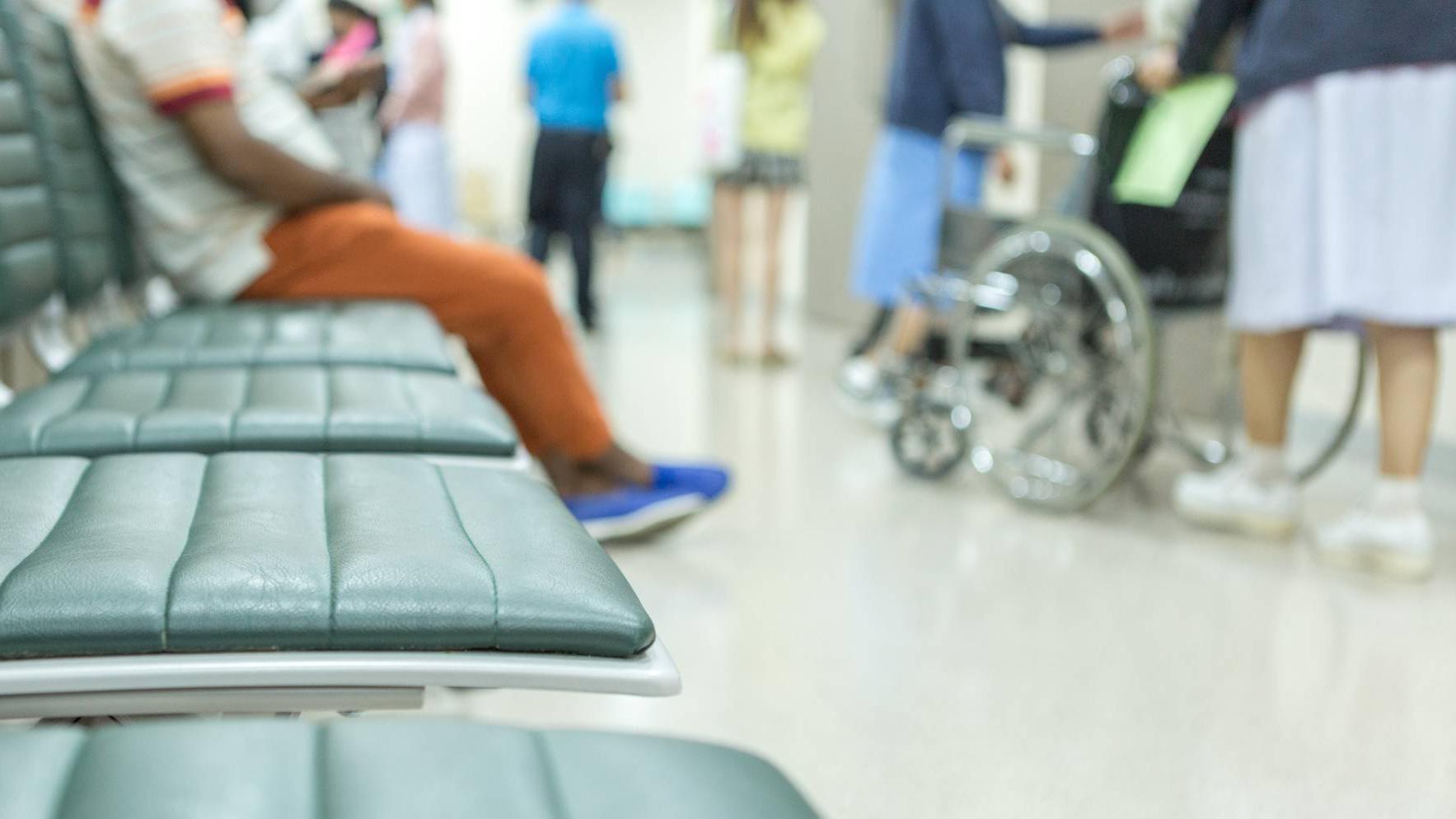
Prof John Crown’s post on X that cancer patients had suffered delays getting to hospital for appointments attracted a cascade of foul abuse.

John Crown treats people with who are ill with cancer. The other day, in obvious frustration because so many of his patients were struggling to keep their appointments, he posted this on X: “Never dawned on me that so many of my cancer patients who suffered delays getting to hospital due to the protests had been personally responsible for the global energy crisis. How naive I was.”
Someone told me he’d been subject to a lot of abuse for saying that, so I swallowed hard and went into the slurry pit called X to see if I could find it. There it was. There were a lot of retweets, a lot of likes, and 288 comments.
Never dawned on me that so many of my cancer patients who suffered delays getting to hospital due to the protests had been personally responsible for the global energy crisis. How naive I was.
— ProfJohnCrown (@ProfJohnCrown) April 9, 2026
So I looked at the comments. I’ve seldom seen such an obnoxious pile-on, full of hatred and contempt for a man who is best known as a healer of, and advocate for, very sick people.
It was a bit mind-boggling, to be honest. An awful lot of people seem to hate John Crown.
Oddly enough, a significant number of his haters base their attitude to him on their memories of covid and his attitudes to masking and vaccinations. He seems to have a set of liberal attitudes as well, another reason to hate him and to personally abuse him from the safety of X. It’s always amazing, isn’t it, how much braver people are when they don’t have to abuse you to your face.
Luckily, a lot of people were supportive of his position. And luckily too, he’s not alone. Almost everyone who has objected to the nature and methods of the fuel price protest has endured abuse. There’s never an argument, never a case made for understanding, just insults and contempt.
I should say, by the way, I don’t know John Crown, except by reputation. I’ve never met him and never been treated by him, although he works in a hospital where I have been treated. By all accounts, he’s a straight shooter and a man who cares about his patients.
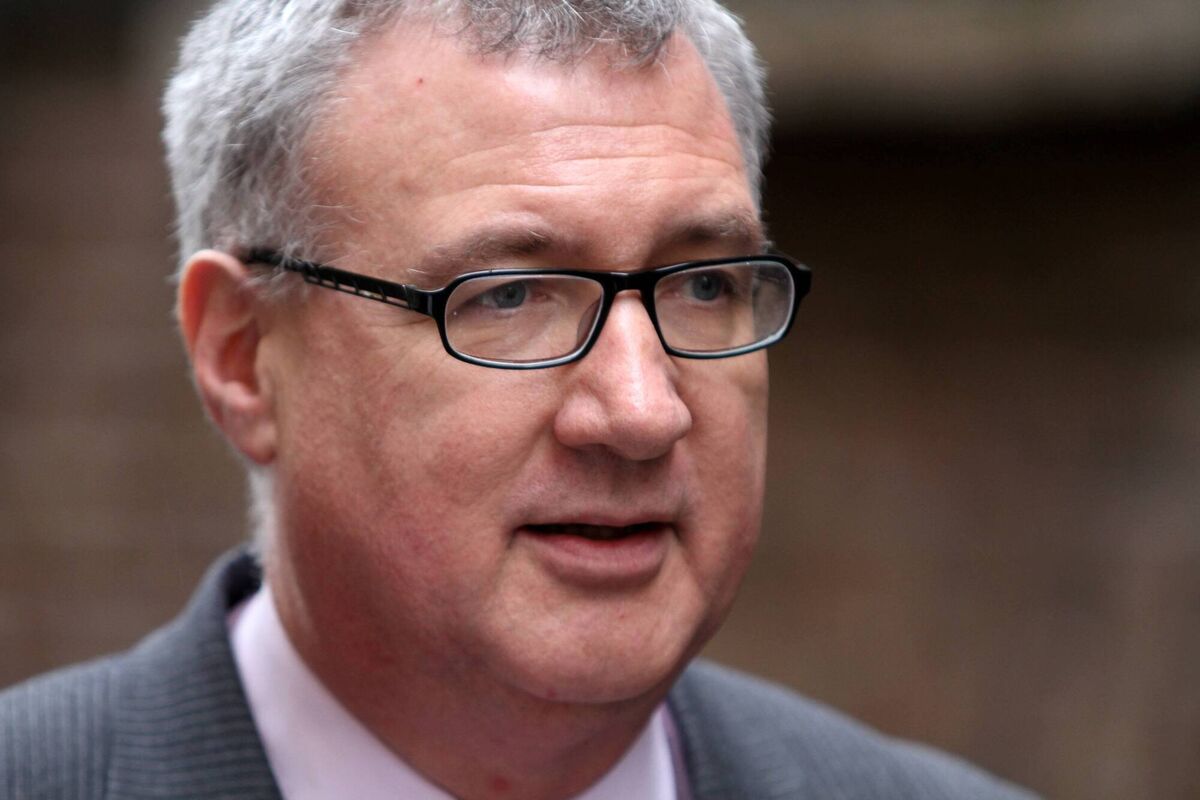
That’s all I need to know to conclude that he didn’t deserve any of the filth thrown at him this week.
It’s that more than anything else that has made me wonder about all the motivations behind the blockade. It started as a perfectly appropriate protest, no doubt about that. And most of us, I reckon, sympathised with the reasons.
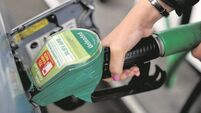
People who depend on access to different forms of fuel to pursue their livelihoods were very hard hit, very suddenly, by price rises (and the risk of shortages) caused by an entirely inexplicable and utterly mad war over which they had no control.
Of course they were going to take to the streets, to seek to pressure the Government into doing more to help. I suspect I’d do exactly the same in their shoes. I’ve spent a lifetime being involved in campaigns and protests for different kinds of change after all.
But I just can’t imagine how any protest I was ever involved in would end up, within a couple of days, with self-appointed leaders telling me and my fellow campaigners: “There is not a fucking oil truck moving in this country until we get what we want because if we can’t afford it, they can’t fucking have it. We have the country by the balls!”
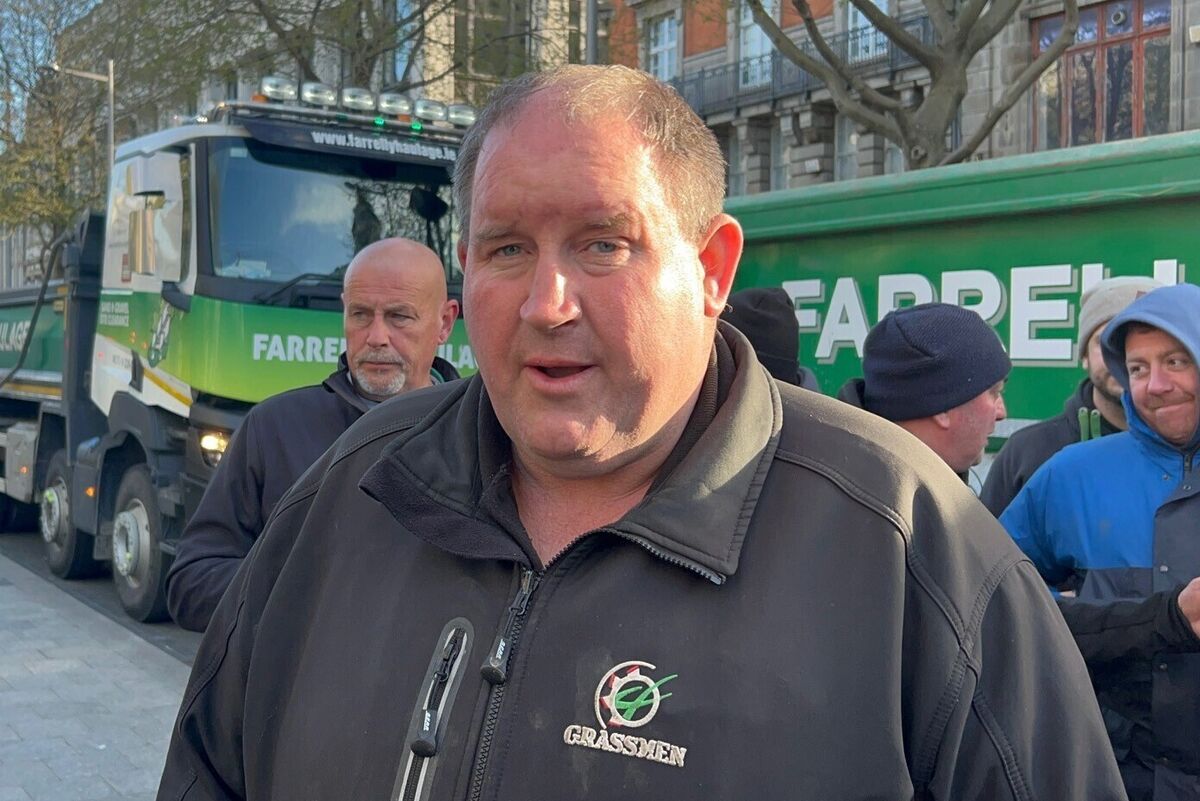
I can’t conceive of a situation where I’d want any of my leaders announcing that their legitimate protest was in fact a revolution, and my democratically elected government was no longer in control, because it was, and it would decide when the protest would end.
The weirdest thing about the blockade is that it was caused by the excessive prices hauliers and agricultural contractors suddenly have to pay for the fuel they have to have.
In order to get those prices down, their self-appointed leaders effectively shut off supply to themselves and, in short order, to the entire country.
On its face, that’s not a winning strategy. It’s a mad one.
Which is what makes me wonder what other motivation there is.
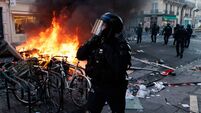
The yellow vest movement in France started in exactly the same way, as a spontaneous protest against rising fuel prices, and eventually transmogrified into an anarchist political movement that leaned heavily to the right and never shied away from violence. There is as yet no reason to believe our yellow vesters are going the same way.
But the longer they stay on the streets, the more they reject government efforts to deal with the real problems affecting their industries (and everyone else), the more we’re going to wonder if (A) an alternative political movement is emerging and (B) what else it stands for.
You don’t have to like our Government to accept that it has a democratic mandate, given to it by the people. The ability to issue threats through social media, or even to bring the country to a standstill, is a poor substitute.
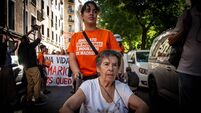
The harsh truth is that truckers, hauliers, and farm contractors aren’t the only victims of this crisis. There are children all over Ireland who are going cold because their families can’t afford to refill the central heating tank. There are thousands of elderly people, especially in rural Ireland, who face the same cruel dilemma and will live in fear of colder weather.
You’d love to think the lads on the back of the lorry would be fighting for them too. There was precious little sign of that.
On Sunday, the German government announced a pretty large set of measures to try to protect its people from oil price shocks. €1.2bn.
Taking the most optimistic measure of our economy (GDP), we are about one seventh the size of Germany’s. So, relatively speaking the reliefs our Government announced were three or four times more than those announced in Germany.
The entire country heaved a sigh of relief. We’re going to get a break — I think most reasonable people would accept that it’s probably as far as we can go. And there’s relief too that maybe the protesters will allow us to reach our hospital appointments.
But, as I’m writing this, the blockades are still going on in some parts of the country, and some — at least of our new “leaders” — are saying they haven’t got enough.
So I’m really struggling in my own head to figure this out. All my life I’ve believed in protest. And this started as a spontaneous and authentic protest, in my view distorted and undermined by some of the methods and abuse offered up by some of the protesters and their supporters.
But I’ve also always believed in democracy and in a democratic mandate. The Government has one, the people who almost shut our country down (and might do it again) don’t even if, yes, they’ve had public sympathy on their side because we’re all hurting.
In the end, I find it really hard to see what happened last week as democratic protest. It felt much more like a campaign of bullying, by people with a vested interest, and some pretty unpleasant views, determined to achieve what they want without any real regard to the rest of the people of the country.
CONNECT WITH US TODAY



Be the first to know the latest news and updates