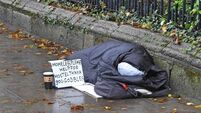
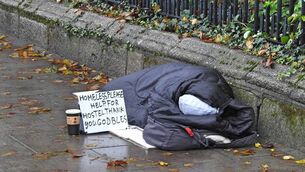
Cianan Brennan: Tent City is gone but underlying problems are still there
From 7am, the diggers came for tent city. From 8am, as the daily commute picked up pace, curious people were drawn to the barrier hastily set up and stretching from Holles Street Hospital to the end of Mount St.
There was little sympathy evident among the onlookers who chose to gather at the barricades, though there was little indication that indifference was racial in tone.
One lone schoolboy in uniform on an electric scooter, bucking that trend, shouted âget them outâ at the assembled masses of gardaĂ.
The nonchalance with which those words were delivered by someone who could have been no more than 14 give a worrying snapshot of where Ireland is right now, though the sheer abundance of law enforcement present ensured that no one would be crossing the cordon.
Those who were there, and willing to talk, thought the tent city was an eyesore and should never have been there in the first place.
That misses the point somewhat â tent city was entirely an own goal of the Governmentâs creation.
The tents had been pitched on this particular leafy street in affluent south Dublin precisely because of the presence close by of the International Protection Office, with which most of those living in the camp had already registered.

On Wednesday evening, the tents may have vanished, the streets may have been scrubbed, but Mount St has not been returned to what it was.
You donât find anti-tent barriers on normal streets.
Those barriers will likely be there until Irelandâs refugee accommodation crisis has been sorted. And whether or not they will actually dissuade migrants from returning or setting up camp again remains to be seen.
By the evening time on Wednesday, it was clear that some of those moved had already returned from whence they came, while one notable aspect of the cleanup operation was the buildup of fresh asylum seekers â the majority of them families â at the cordon, waiting to access the IPO.
The tents may not spring up again on Mount St â the letter handed to the relocated men warning them of the risk of prosecution should they return to the area could see to that â but so long as the situation is what it is, and so long as the IPO is where it is, they are going to be pitched nearby.
The cleanup operation itself was a surreal thing to behold â giant diggers gathering up tents by the bushel and depositing them in heap of polyethylene and overnight rainwater while Dublinâs busy workers went about their day.

The migrants affected, many of whom were happy enough at the relocation, were huddled next to a series of buses while the cleanup raged around them, with men in white boiler suits and surgical masks wandering the street dragging vacant tents behind them.
One tent had âEU racist asylum policyâ printed on its side in stark white letters. A second later and it too was crumpled to shreds by the mechanical claw.
Out at Crooksling, there was little to be seen of the new camp. Journalists were denied entry while those manning the gates of the hospital remained mute, their features indistinguishable behind hoods and balaclavas.
The services at the revamped site are understood to be a significant improvement on what was on offer in March, which probably isnât saying much.
But the migrants who emerged from the site to board buses and taxis back to Dublin told their own story.
Tent city may be gone. The problem the Government faces certainly isnât.