Pádraig Hoare: Lough Neagh a cautionary tale on how we manage our waters
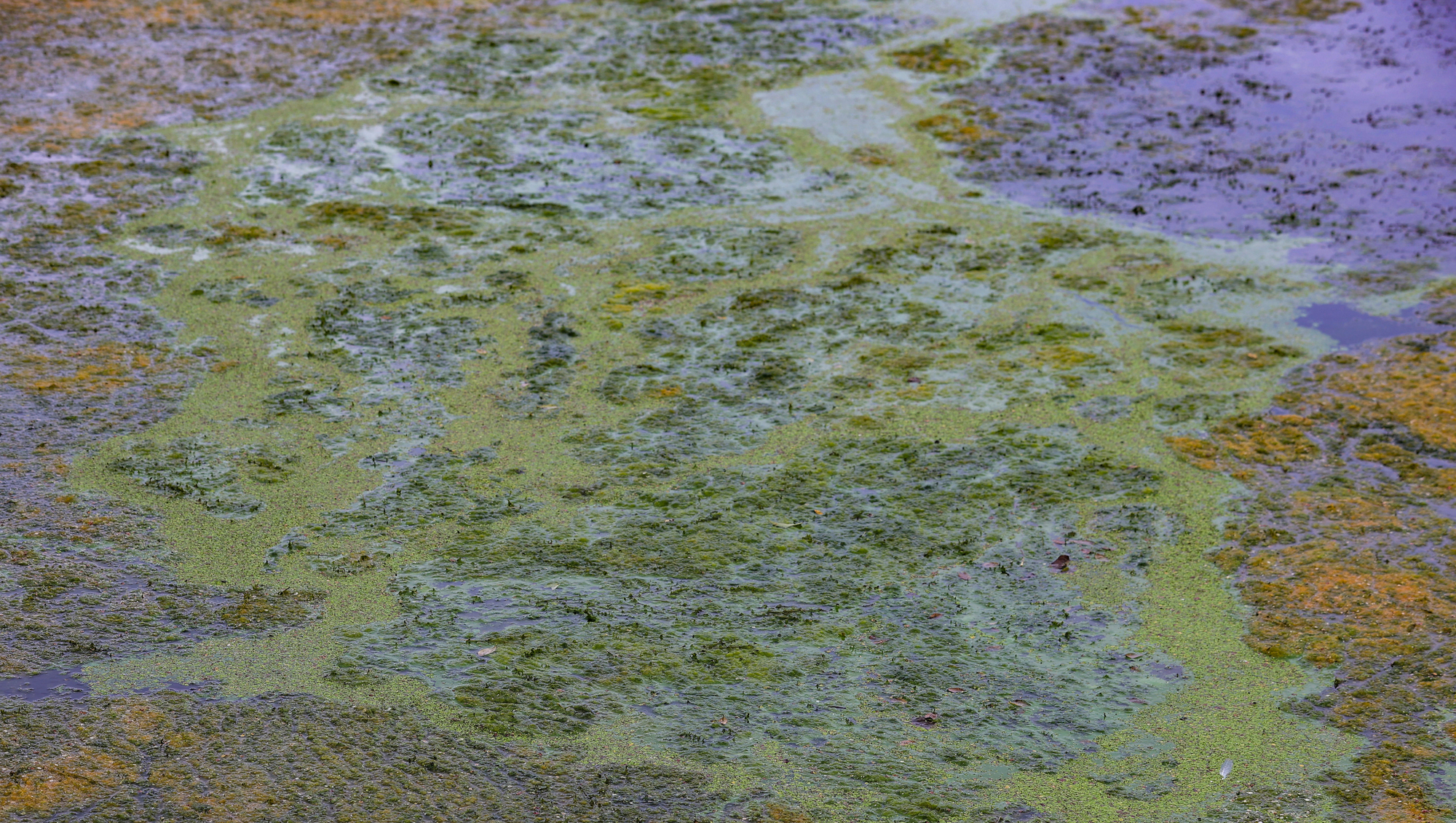
Algae on the surface of Lough Neagh at Ballyronan Marina. Environmental campaigners claim toxic algae is killing the region's largest freshwater lake.
It’s a case of seeing is believing when it comes to the shocking state of Ireland’s biggest lake, but it may surprise people to know that half of the rivers and lakes in the rest of the country are flirting with disaster.
The grim sight of Lough Neagh in the heart of Northern Ireland has focused the minds of many as they grapple with how to reverse the oozing bright blue-green algae on the surface.
The sight of the lake being covered in such algae has caused a political as well as environmental firestorm.

Making international headlines for the wrong reasons, and prompting calls for the Northern Assembly to be recalled, SDLP Assembly leader Matthew O’Toole claimed it “a catastrophe on a level that far outstrips any other”.
Public meetings have been held in the North to discuss how to tackle the crisis, while environmental scientist Les Gornall warned it could take decades to reverse the outbreaks of the blue-green algae, which sucks life from all around it.
The shock of Lough Neagh’s decrepit state may have focused minds up north, but those who care about the environment and biodiversity down south have warned that we could be sleepwalking into catastrophe with lakes and rivers in the Republic.

Just last week, the European Commission once again pushed the State to unveil its river basin management plans, as required under the Water Framework Directive.
The EU directive requires that all inland and coastal waters reach at least 'good' status by 2027 at the latest.
Ireland's river basin management plans are unveiled in six-year cycles, and the latest will bring it up to the EU's 2027 deadline. It is long overdue.
According to the latest data from the Environmental Protection Agency in June, there was no real improvement in the water quality of Irish lakes, rivers, and coasts last year, with agriculture the primary culprit for pollution.
The EPA said fertilisers and manure had exacerbated nitrogen and phosphorus levels in the country's rivers and lakes.
Furthermore, according to data published by the Central Statistics Office last month, around 51% of monitored river water bodies were classified as "good or high ecological status" between 2016 and 2021, while 49% were in moderate, poor, or bad ecological status.
So far, outbreaks of algae in Munster lakes and rivers are not at critical levels as of late, and there are no areas of water akin to Lough Neagh, the EPA said in response to a query from the .
However, there are areas of concern, its response shows.
“The EPA monitors lakes in Ireland as part of the National Water Quality Monitoring Programme,” the EPA stated.
"The most recent full assessment of the ecological health of Ireland’s lakes was conducted by the EPA using data from 2016 to 2021 ('Water Quality in Ireland 2016-2021').
"The remainder were in moderate or poor ecological health.
The main issue affecting the ecological condition of lakes in Ireland is elevated total phosphorous levels arising primarily from agricultural runoff and wastewater, it added.
“Algal blooms (phytoplankton overgrowth) in lakes are a natural phenomenon that can be exacerbated by excess nutrients, such as phosphorus, coupled with warm, settled weather," the EPA stated.
"Algal blooms are not specifically monitored for in the national monitoring programme as, by their nature, they can be short-lived events. Local authorities may monitor relevant algal blooms in their area and erect public health signage where appropriate.”
The short-lived nature of such events is borne out anecdotally, with kayaking firms in and around Cork and Kerry saying the algae problem is no better or worse than in previous years.
The Department of Housing is “currently preparing” the third River Basin Management Plan for Ireland up to 2027, a spokesperson said last month.
The plan will "describe the main pressures and activities affecting water status, set out the environmental objectives to be achieved up to 2027, and identify the measures needed to achieve these objectives, including those highlighted by the EPA", the spokesperson added.
Regarding the river basin management plan, An Taisce said the proof will be in the pudding as to whether or not Ireland is serious about protecting its precious waterways.
Natural environment officer with An Taisce, Elaine McGoff, said: “We need a step change in how we manage our waters and how we manage land within their catchments.
“The Government is in the middle of drafting up a new plan for how we manage water, this is our chance to change the direction of travel and to put ambitious and far-reaching measures that are clearly necessary in place.
"It remains to be seen if they’ll do that.”
CLIMATE & SUSTAINABILITY HUB