Liam Quaide: Rural Ireland is not a costume to put on for political theatre
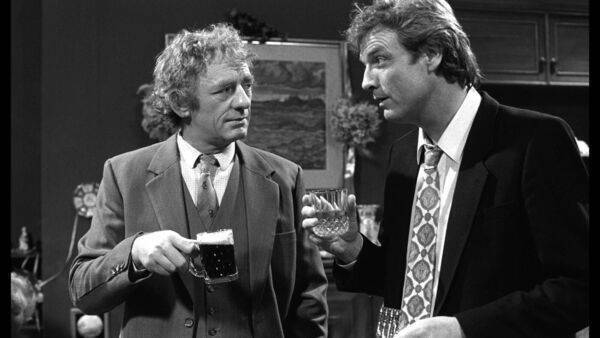
Mick Lally as Miley Byrne and Emmet Bergin (Dick Moran) in a scene from the Irish rural soap opera ‘Glenroe’ which ran from 1983 to 2001. Rural Ireland accommodates a diversity of outlooks — not least in terms of protecting our environment.
Our political debate increasingly features representatives of ‘rural Ireland’ speaking as if it were a single place, outlook, or type of person.
These public figures claim to represent the “real workers”, the “real people” of rural Ireland — “ordinary people” supposedly misunderstood or sneered at by Dublin-based officials and politicians.
Rural Ireland has been neglected by centralised policy, under-resourced, patronised, and left to rely too heavily on resilience and volunteerism.
Read More
But the ‘rural Ireland’ rhetoric too often becomes narrower and more manipulative — a way of suggesting only one kind of rural person is authentic, and that anyone who cares about climate, river pollution, nature, fox-hunting, or inclusion looks down on rural Ireland, or is its enemy.
Read The Irish Examiner's 2024 'Rural Ireland Thinks', a deep dive into attitudes on everything from childcare and policing to social media and the environment.
Rural Ireland is not a monolith. It is made up of people of all professions and backgrounds — farmers, farm workers, carers, teachers, nurses, small business owners, artists, tradespeople, disabled people, Travellers, migrants, asylum-seekers, refugees, Irish speakers, gay and trans people, people who go to Mass and people who do not, people who play GAA and people who never did.
It includes families rooted in the same parish for generations and people who have made their home there more recently.
No one owns rural Ireland. No one has the right to use it as a political cudgel against those who do not fit a narrow template of what rural identity is supposed to look or sound like.
When environmental concerns are treated as an attack on rural life, those of us who care about nature are pushed into a corner and branded anti-rural.
Yet rural Ireland cannot be defended by degrading the natural heritage that sustains it.
That does not mean scapegoating farmers. Many are under significant pressure from volatile markets, rising costs, debt, land pressures, weather instability, and environmental obligations.
Ever-greater intensification is not a sustainable answer for every family farm or rural community.
Read More
Farmers who remove hedgerows and native trees wholesale often do so within a policy framework that has rewarded intensification and treated nature as a nuisance or obstacle rather than an essential part of the fabric of rural Ireland.
A serious rural policy must support farmers to make a decent living while protecting nature.
I grew up down a bóithrín between two villages.
I spent part of my summers stacking and transporting bales of hay. You cannot get much more rooted in country life than that. Many of us from rural communities care deeply about the land because we are part of it. It is therefore very difficult to take self-appointed gatekeepers or chieftains of rural authenticity who imply that concern for nature, climate, or animal welfare makes us less rural.
Like many people raised in the countryside, my feelings about rural Ireland were mixed — deep affinity alongside intense frustration; affection, alienation and restlessness.
I loved the landscape, humour and neighbourliness of my community. I also listened to The Smiths, did not play GAA, and found parts of the culture I grew up in stifling and insular. I knew what it was like to live under unwritten, oppressive rules about how to be, what to like, and how to speak.
In the late 1990s, in what felt like the vast metropolis of Cork City, college — and particularly the weekly indie event ‘ Freakscene’ in Sir Henry’s nightclub — opened up a subculture of people who were, like me, of rural Ireland but had felt outside it growing up.
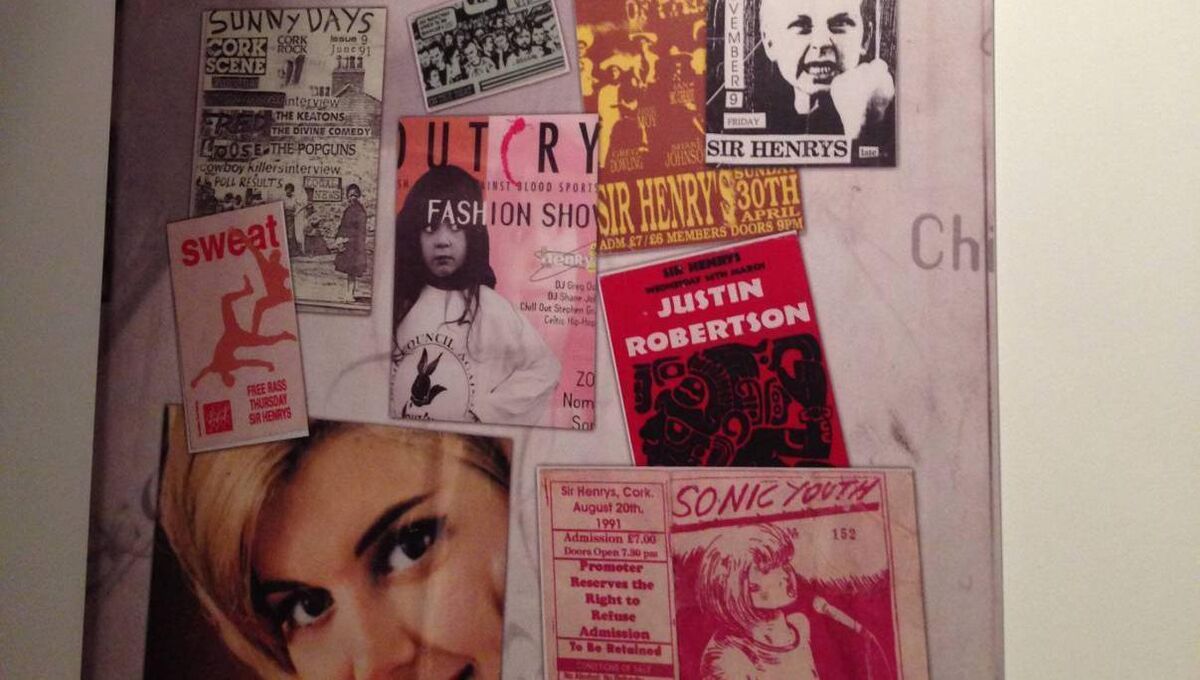
We were not less rural because we wore different clothes or listened to alternative music.
We were another strand of rural Ireland, finding a place together where we did not have to explain ourselves.
Rural Ireland is more diverse and inclusive than when I was growing up in the 1980s and ’90s. But when that identity is appropriated for political ends, it risks pulling us back towards old, narrow ideas about who belongs and who does not.
Rural Ireland should not be reduced to a political costume, a culture-war prop, or the possession of any interest group or personality.
It contains a vast multitude: People who cherish tradition and people who challenge it; people who farm and people who are indifferent to farming; people who would defend fox-hunting to their deaths and those who vehemently oppose it.
Rural Ireland is prone to being romanticised, patronised, and weaponised.
What it needs is not louder claims of ownership.
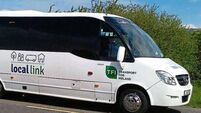
It needs homes, childcare, disability services, infrastructure, public transport, amenities, broadband, protection of its built and natural heritage — investment in the everyday foundations of a decent life — with a politics mature enough to recognise and nurture the diversity already there.
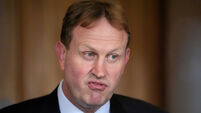
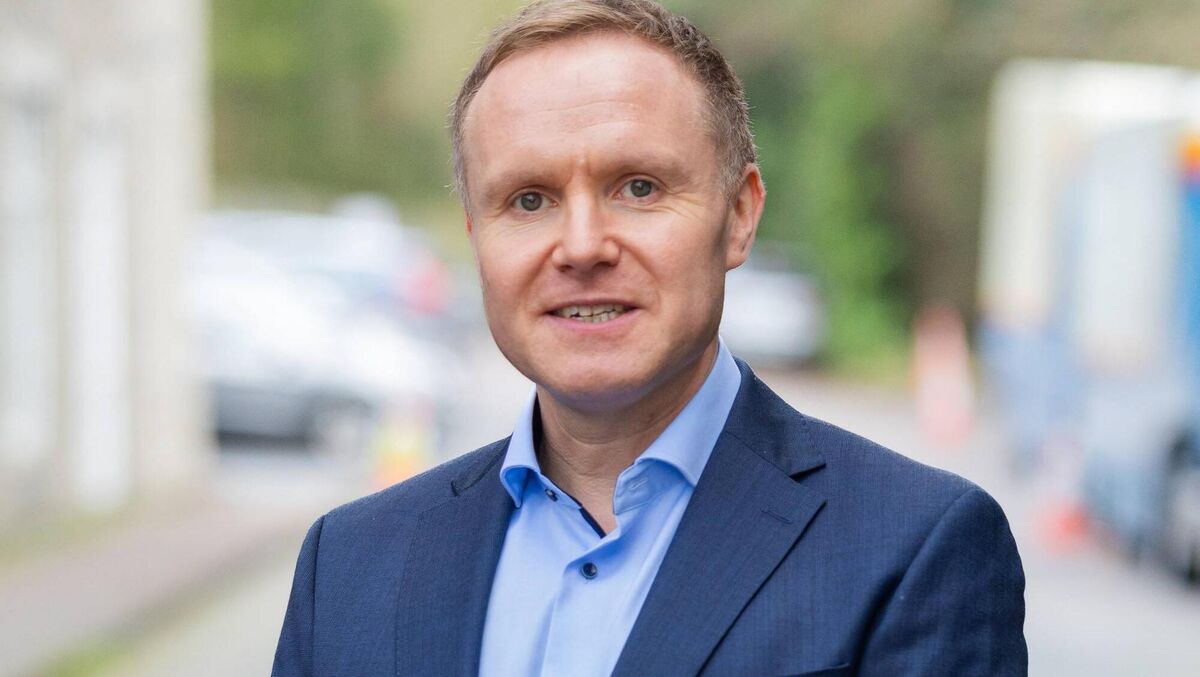
- Liam Quaide is the Social Democrats TD for Cork East and the party spokesperson for Rural and Community Development
CLIMATE & SUSTAINABILITY HUB
CONNECT WITH US TODAY



Be the first to know the latest news and updates