No silver lining: Great tits under threat from global warming
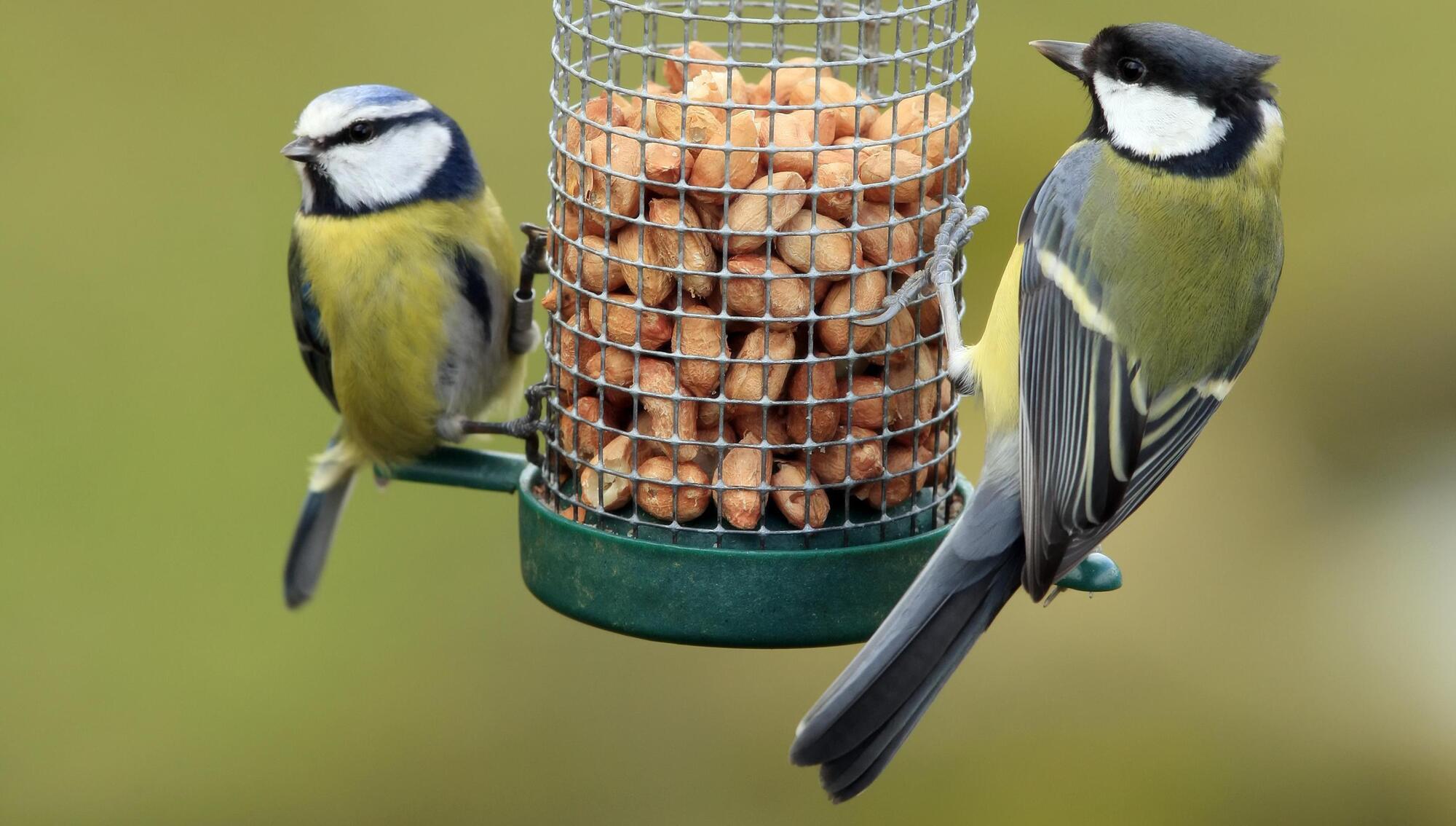
The great tit is easily recognised, with white cheeks, a black bib, and a black crown. The breast is yellow, the upper plumage greenish.
-
Every cloud has a silver lining; even global warming benefits some creatures. Could climate change answer a great tit’s prayers; nesting begins earlier because of it, an apparent blessing? But there’s a downside, as recent research at the University of Oxford shows.
The great is almost twice the size of our two other Irish tit species, the ‘blue’ and the ’coal’. No, I haven’t forgotten the long-tailed one but that endearing little bird belongs to a different family and isn’t a ‘true’ tit.
Highly adaptable, an Meantán Mór is found throughout Europe and Asia, from Ireland to Japan. Over 30 races have been identified.
The bird is easily recognised. It has white cheek patches, a black bib and a distinctive black crown, shiny in the male. The breast and belly are yellow, the upper plumage greenish. When caught for ringing, great tits are relatively easy to handle, unlike their feistier cousins, the blue tits, which bite the ringer relentlessly, even drawing blood.
This ‘bicycle pump’ bird’s loud two-note song is so distinctive that even the most musically challenged listener can recognise it. The vigorous ‘chee-u chee-u’ rhythm recalls something seldom heard in our car- dominated world nowadays; the sound of a bike-tyre being pumped.
But don’t be fooled by the simple recital. Your average great tit has up to seven song variants, which he broadcasts from the borders of his territory, in what John Krebs termed ‘Beau Geste’ fashion. The variations help fool would-be challengers into thinking that an area is occupied, not by just one defender, but by several. In P C Wren’s 1924 novel, our French Foreign Legion hero props up the bodies of dead comrades, making besiegers think that a fort is more heavily defended.
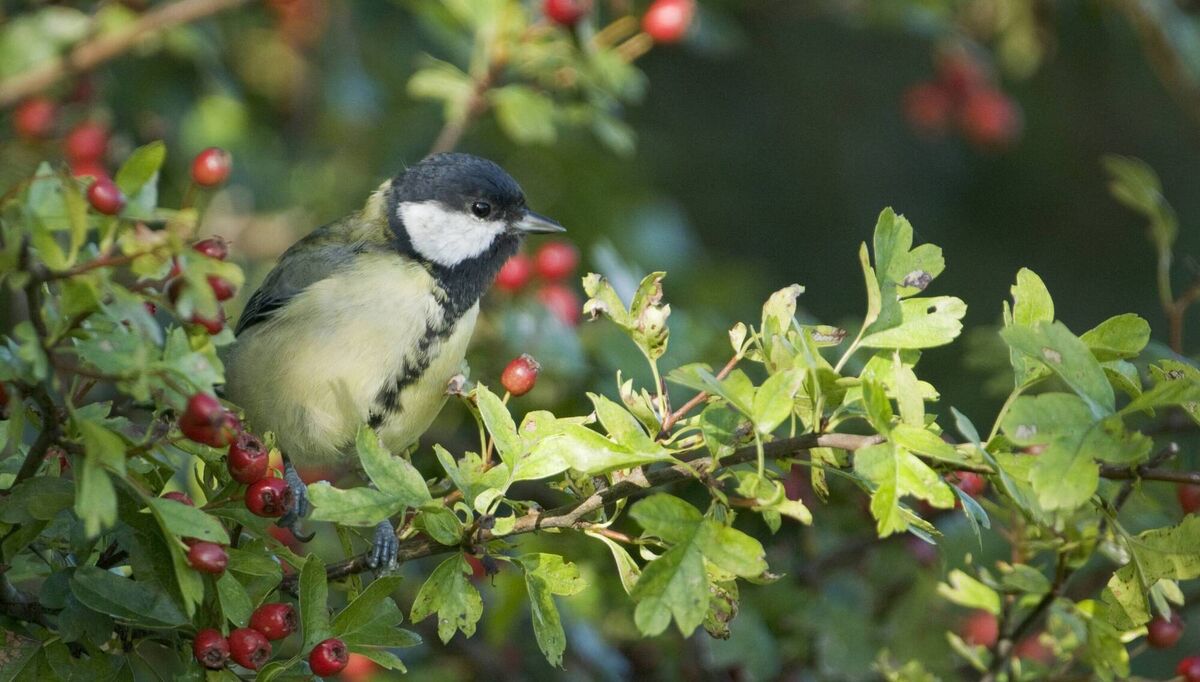
The great tit is probably the world’s most extensively researched bird, one studied throughout its range. Krebs, using portable loudspeakers, showed conclusively that its song helps, not just in obtaining a mate, but in holding a breeding territory. Lund University researchers found that great tits have self-control abilities comparable to those of chimpanzees. They also gathered tit feathers from far and wide, showing that city birds have duller plumages than rural-dwelling ones.
Devi Satarkar and colleagues at Oxford are continuing the great tit research tradition. They have examined the impacts of human-induced climate change on the bird’s breeding performance. Researchers compared life-history data on 83,000 great tits, going back 60 years, with meteorological records.
Hatchlings can’t yet regulate their body temperatures during the week after hatching. Weather fluctuations and extremes are more common in climate-changed environments. The research showed that spells of cold or wet weather, if they occur soon after eggs hatch, can have disastrous impacts on nestling growth and chick survival. Fledgling weight can be reduced by up to 27%. Growth is stunted and survival prospects impacted. ‘Even small early-life deficits can have large implications for survival’, the researchers say.
Global warming may benefit some creatures but the great tit isn’t one of them.
- Devi Satarkar et al. Developmental stage-specific responses to extreme Climatic Events and Environmental Variability in Great tit Nestlings. . 2026.
CLIMATE & SUSTAINABILITY HUB
CONNECT WITH US TODAY



Be the first to know the latest news and updates