Elaine Loughlin: Annual budget circus has some ministers jumping through hoops
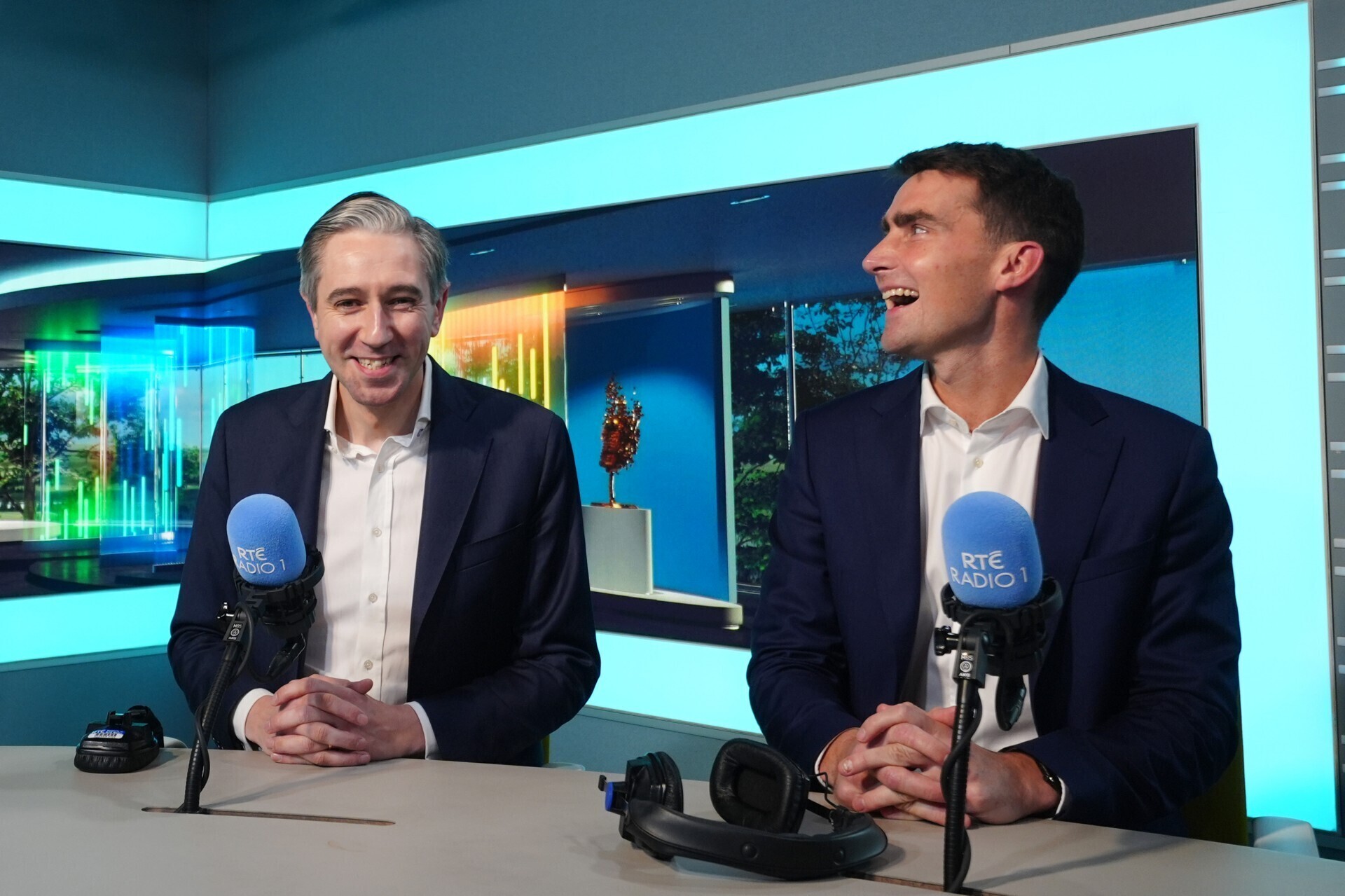
Finance minister Simon Harris and public expenditure minister Jack Chambers after appearing on 'Today with David McCullagh' at the RTÉ Radio Centre in Dublin. Picture: Brian Lawless/PA

For a long time now, the State's financial watchdog, the Irish Fiscal Advisory Council, has been calling on the Government to pack up the annual Budget 27 circus and move on.
As a bedraggled hack who has chased kites, run after speculation, and written reams about Budget 2027 over the past week, this journalist would tend to agree.
The yearly budget can be roughly set out in three predictable parts.
The first act starts with the summer economic statement (SEC) and the grand opening of the fiscal envelope for the coming year. This year the SEC, which set the tax package at €1.5bn and spending at €7bn, provided the first real indication of the Government's focused intent on raising the cut-off point for the higher rate of income tax. It ended up landing at €46,500 by the time Tuesday's announcement came around.
Generally, the publication of the SEC also acts as a starting gun on budget flyers, which increase in frequency and added detail as the negotiation process moves from senior department official level to bilaterals between ministers.
In the seven days leading up to Budget Day, Leinster House enters a frenzy phase, which this year featured tense discussions as public expenditure minister Jack Chambers insisted that ministers would have to find efficiencies before additional funding was approved for new measures. Negotiations always go down to the wire, but this was a little unusual as many of the so-called smaller departments that tend to receive lower financial allocations were still outstanding as Chambers went into the final weekend.
There were techy meetings, during which ministers were sometimes told to go away and not come back until the list of demands was substantially reduced. The negotiation process included a walkout by culture minister Patrick O'Donovan after just eight minutes.
But allocations are invariably set and the budget comes around, marking the second act.
Read More
Budget Day, while long, is usually relatively straightforward, and follows a well-tested set-piece schedule.
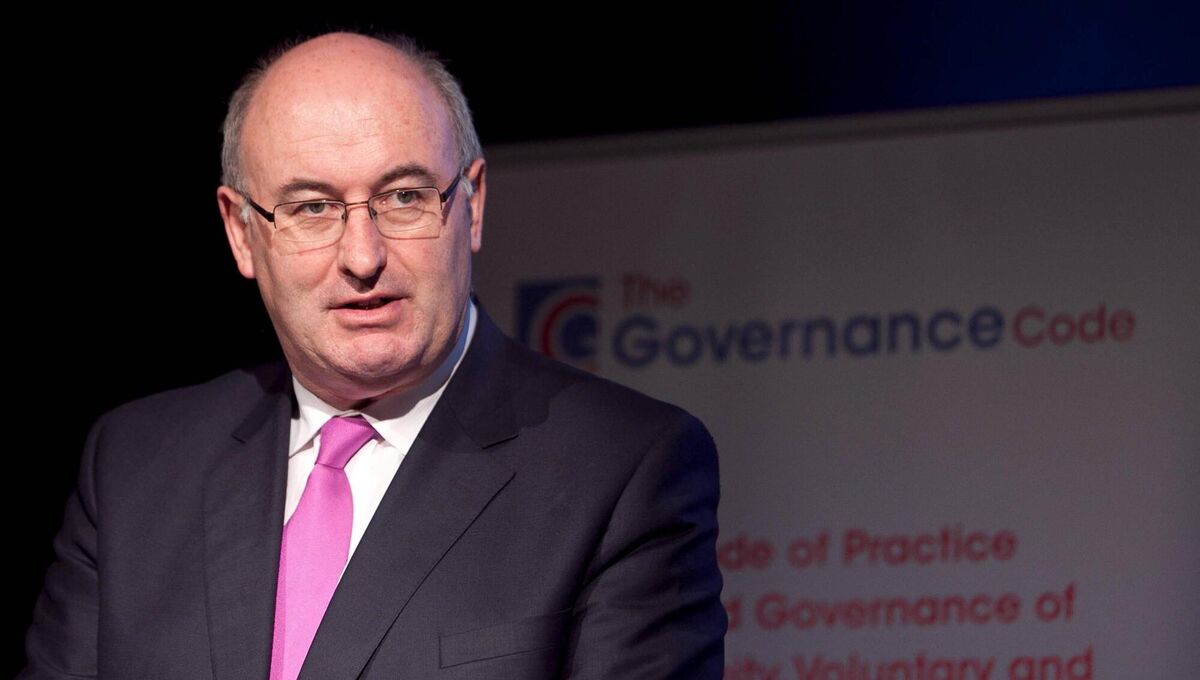
With so many of the measures flagged in advance, it's a far cry from the rabbit-out-of-a-hat budgets of yore, or from 1995 when then junior finance minister Phil Hogan was forced to resign amid a leaking scandal. Hogan's adviser had faxed financial details to the media four hours before the finance minister took to his feet to present the budget in the Dáil, sparking rage among the rainbow coalition and resulting in the then taoiseach John Bruton issuing an apology.
Budget Day now begins early and focuses on live blogs, social media clips, interviews, and reactive commentary. Later in the evening, individual departments begin hosting briefings in the media centre in Government Buildings.
The last hour-long press conference of the day, with Chambers and Tánaiste Simon Harris, got going at 7pm, and then it was back to the Dáil where votes on the likes of the €1 increase on cigarettes were taken.
But the final act begins before the previous one has concluded, kicking into action almost immediately after the ministers for public expenditure and finance sit back down in their seats in the Dáil.
As the opposition parties begin responding to what has been announced, journalists receive a raft of reaction emails from unions, representative bodies, campaigners, charities, and economic experts.
This year, most groups issued a caveated welcome to the measures announced.
The Vintners’ Federation of Ireland welcomed a €15m support package for the rural pub sector, but Responsible Vaping Ireland hit out at a 20c per millilitre increase in e-liquid products, stating that it would add further pressure to businesses already facing spiralling operating costs.
The Irish Wheelchair Association said a new €500 cost of disability payment marked a positive step, but fell far short of addressing the full financial burden.
Meanwhile, Ibec, acknowledged Budget 2027’s strong emphasis on workforce transition and praised the decision to unlock €150m from the National Training Fund.
As the hours passed and the reaction flooded in, it emerged that RTÉ had been landed with a €20m cut to its expected funding for next year, which came as a massive surprise to management in Montrose.
As RTÉ director general Kevin Bakhurst issued a salty statement on the matter, political journalists flooded back into the basement of Government Buildings for the media minister's post-budget briefing on Wednesday afternoon, which lurched from animated to icy over the course of almost an hour.
There were even more words written and column inches filled on Thursday and Friday, and it is likely to be at least a few more days before a lid can be put on Budget 2027 coverage.
The Irish Fiscal Advisory Council (Ifac), of course, has been repeatedly arguing that this current system of single-year budgets amounts to bad financial management and ultimately does not serve the general public.
Addressing the Oireachtas budgetary oversight committee in recent weeks, chairman Seamus Coffey hit out at the adopted approach of annual budgets and suggested departments that overspend one year should have that amount taken out of their allocation for the following year.
"A big improvement would be to move away from single-year budgets," he said.
"Rather than having these rounds of negotiations or fighting over the additional spending every year, give departments the ability to plan over three or four years, so move away from the annual set piece of these speeches in the Dáil and actually have our budgeting put on a multi-year purpose.
"And if a department overruns in one year, it costs them the following year. They have a cumulative budget available over four years, and if they want to go through that in the first year, what that means then they have to claw it back in years two, three, and four," the economist said.
This was backed up by Labour TD Ged Nash, who added that the annual budget "allows the Government to control the agenda", which he claimed serves the media but not the general public, with leaks and speculation starting months in advance.
When asked this week, both Harris and Chambers pointed to budgeting aspects which are carried out on a multi-annual basis, before swiftly pointing to the benefits of allocating public money on a yearly basis.
"We've tried in a number of areas to provide multi-year certainty; and even on a taxation side, we have a multi-annual plan in relation to what we're doing now on the funds, so it's very clear each year," the Tánaiste said.
It is true to say that not everything is announced on Budget Day, capital spending across transport, energy, water, and housing is allocated on a multi-annual basis under the national development plan and the Government does set out its medium-term objectives by providing a broad outline of projected national spending under EU rules.
But Chambers cautioned that giving departments long-term financial sight could embed inefficiencies.
"If we have an element of a system that is not delivering, why would we hand them a three-year budget and say: 'Carry on'?" he asked.
"A multiannual budget is not good for delivery in that context, but we do have multiannual positions, for example, where hopefully we will agree a pay agreement, and that is a multiannual commitment to workers on pay rises over a period, and that's how a series of public sector pay deals have worked, and we account for that in the budgetary parameters."
Chambers added that unforeseen circumstances, such as the possibility of a further energy shock, require a certain amount of agility to fully manage. Without this flexibility, the Government would not have the ability to react.
It has put the prospect of changing the current annual budget system off the agenda, at least for another year.
CONNECT WITH US TODAY



Be the first to know the latest news and updates