Elaine Loughlin: Patchwork quilt budget doesn't cover those who need it most

The Government has unveiled a patchwork quilt budget which gives a little square of the financial blanket to as many people as possible but will not fully insulate the most in need.
Budget 2027 includes some eye-catching measures, including a €5,000 increase in the help-to-buy grant, changes to bring the threshold for the higher rate of income tax up to €46,500 and a jump in the inheritance tax threshold to €420,000.
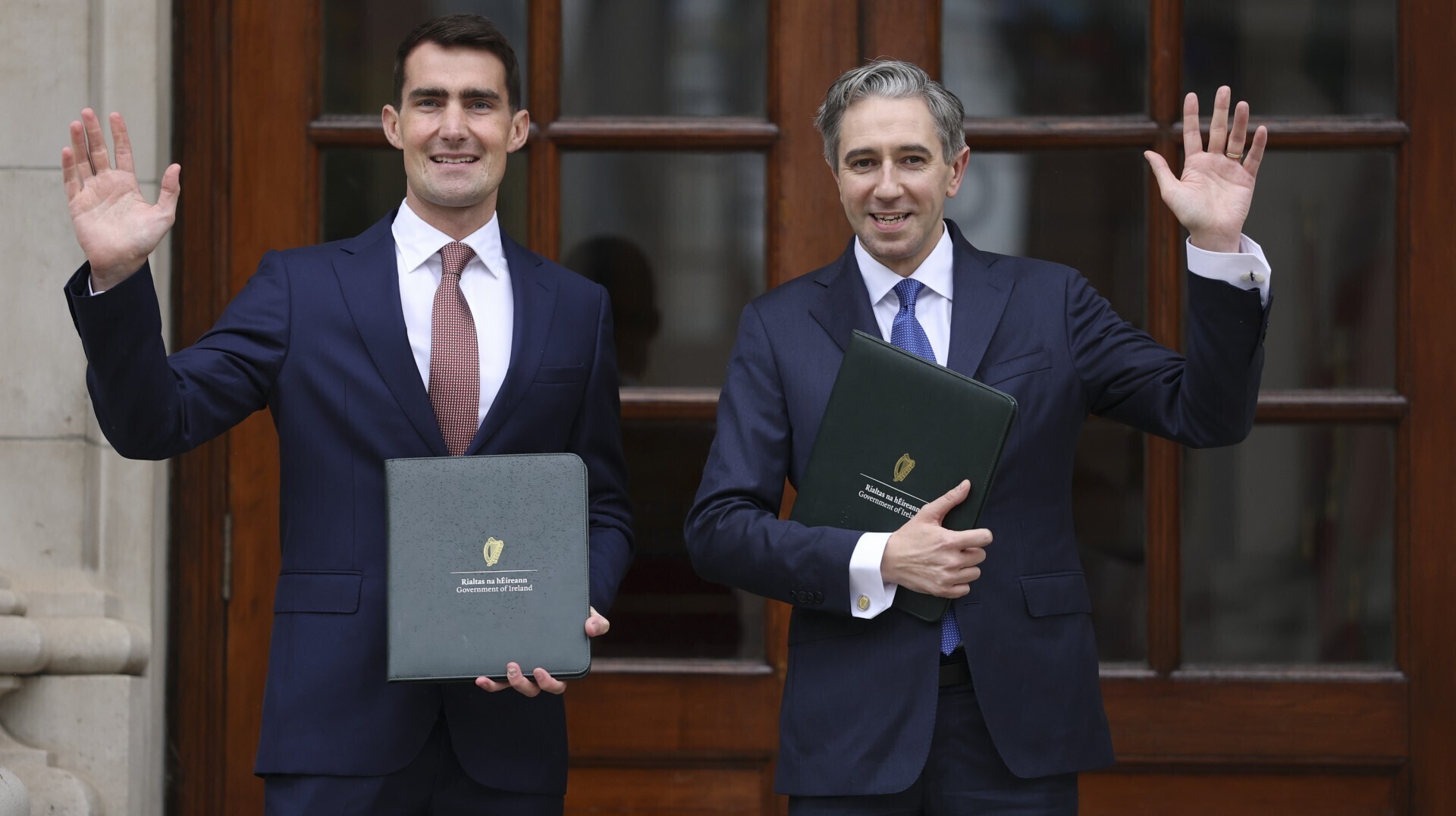
In the Dáil, public expenditure minister Jack Chambers said this year's budget had provided the "opportunity to turn today's prosperity into something more enduring", before citing homes, infrastructure, better and more responsive public services.
"We are fortunate to live through a period of remarkable prosperity. But prosperity is not, in itself, a purpose," Mr Chambers said. "Our generation will be judged by what we do with it, not simply by how much money was available to us, not simply by how much we spent."
It therefore makes the approach of giving a little to a lot of people perplexing. Spreading billions of euro very thinly limits the lasting or transformational impact that can be made.
Read More
The opposition were, of course, quick to dismiss the Budget as lacking ambition. There were no big-bang measures, instead a myriad of smaller measures that opponents, including Sinn Féin's Pearse Doherty, said would be "gone before you get it".
The sweeteners announced include a €10 increase for pensioners, a €3 rise in the living alone allowance, a €15m package for rural pubs, increases in the minimum wage, a €5 rise in fuel allowance payments and a €150 bump in the rent tax credit.
The pick-n-mix of payments also includes a hike in the tax-free threshold under the rent-a-room scheme from €14,000 up to €16,000 and the pausing of planned carbon tax increases on home heating fuels.
It's all grand, but hardly life-changing.
The attitude taken in allocating the €8.6bn pot available this year is summed up in the €500 lump sum that will be delivered through a new cost-of-disability payment.
The support, which had been widely flagged ahead of this year's budget, is a welcome move that puts the support on a permanent footing, but it falls far short of what is the real cost.
The Irish Wheelchair Association (IWA) was among those who were quick out after Jack Chamber's announcement of the new payment, pointing out that the support amounts to just €9.61 per week, which is far below the minimum call for €55 a week which the organisation had sought.
Joan Carthy, head of advocacy at the Irish Wheelchair Association said: "We also have to be clear about what has been announced.
“The Cost of Disability is not a once-a-year expense. People face these additional costs every day through heating, electricity, accessible transport, mobility equipment, medical expenses and many other essential costs associated with living with a disability.
She also pointed to the Government’s own independent cost-of-disability research, carried out by Indecon in 2021, which estimated that the additional cost of living with a disability can range from approximately €9,482 to €11,734 every year. It leaves a significant gap between the Budget announcement and the real life financial impact.
Social protection minister Dara Calleary stressed that putting the assistance in place was an achievement in itself, and building on this will be the priority in the coming 12 months.
"The payment needs to be co-designed in as far as possible with the input of disabled people themselves, and that's what we're going to do. That process is taking time, more than I anticipated.
"I want to try and work with people in as far as I can and by the end of 2027, we will have a permanent structure on our cost-of-disability payment," he said.
Finishing up his Budget day speech, Mr Chambers said the generation of Sean Lemass recognised that Ireland "could not secure its future simply by managing the structures it had inherited".
He said previous Fianna Fáil governments "questioned assumptions, removed barriers, opened our economy and prepared Ireland for a future that was only beginning to emerge".
Budget 2027 does give people a small break from rising costs, but it could hardly be described as big blue sky thinking.
- Elaine Loughlin, political editor


CONNECT WITH US TODAY



Be the first to know the latest news and updates