Clodagh Finn: Isabel Jennings, the Cork anti-slavery campaigner and friend of abolitionist Frederick Douglass
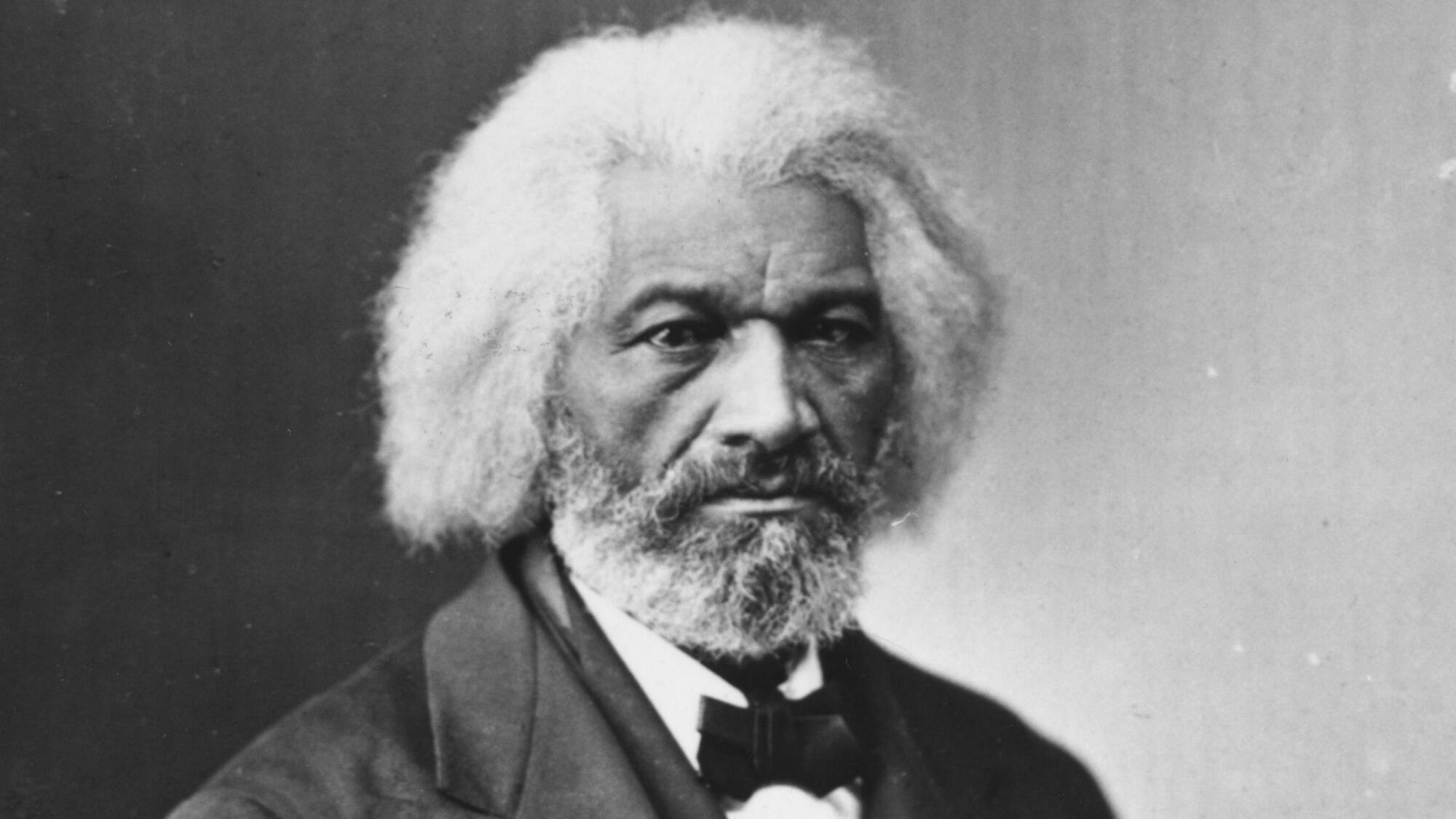
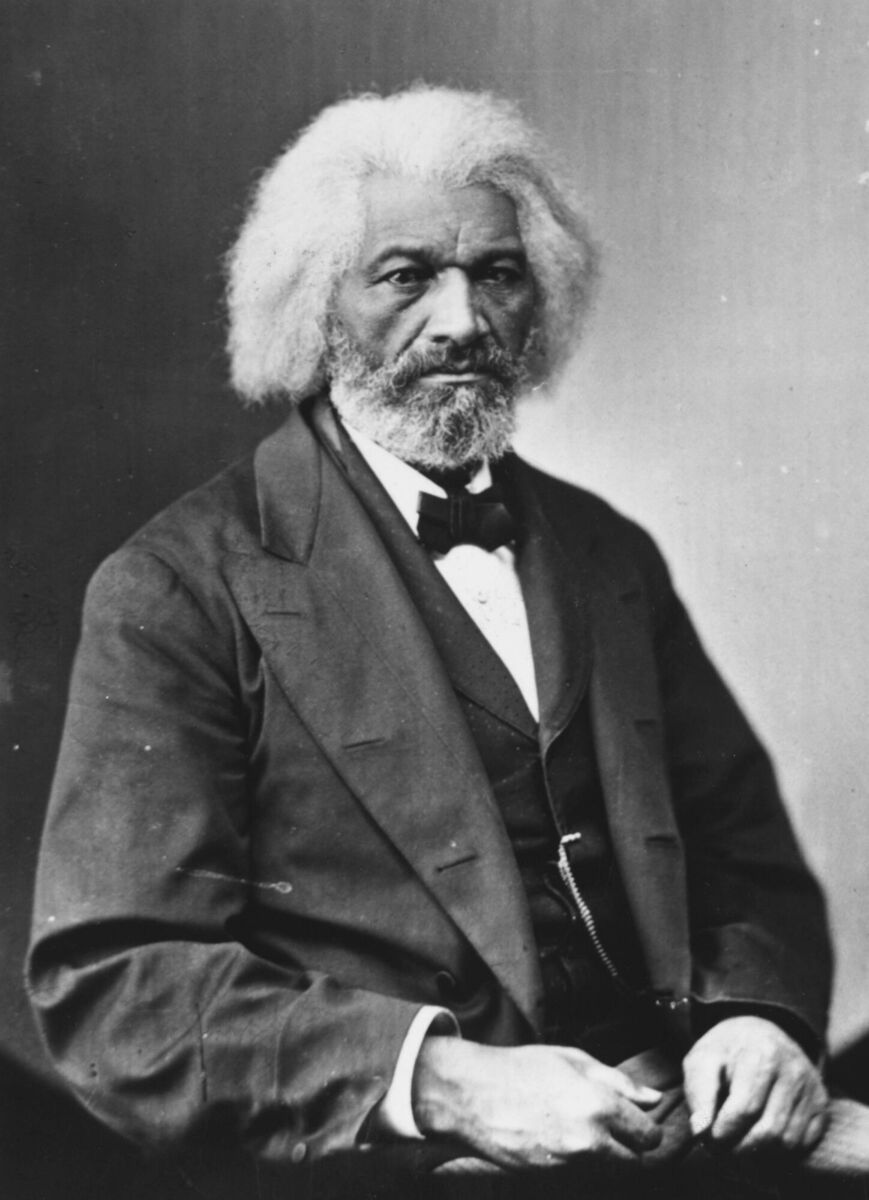
Frederick Douglass said he felt like a man, not a chattel in Ireland. Photo: Library Of Congress/Getty Images

There is no known photograph of anti-slavery campaigner Isabel Jennings, but the woman who was secretary of the Cork Ladies’ Anti-Slavery society and a close friend to abolitionist Frederick Douglass leaves behind a strong trace.
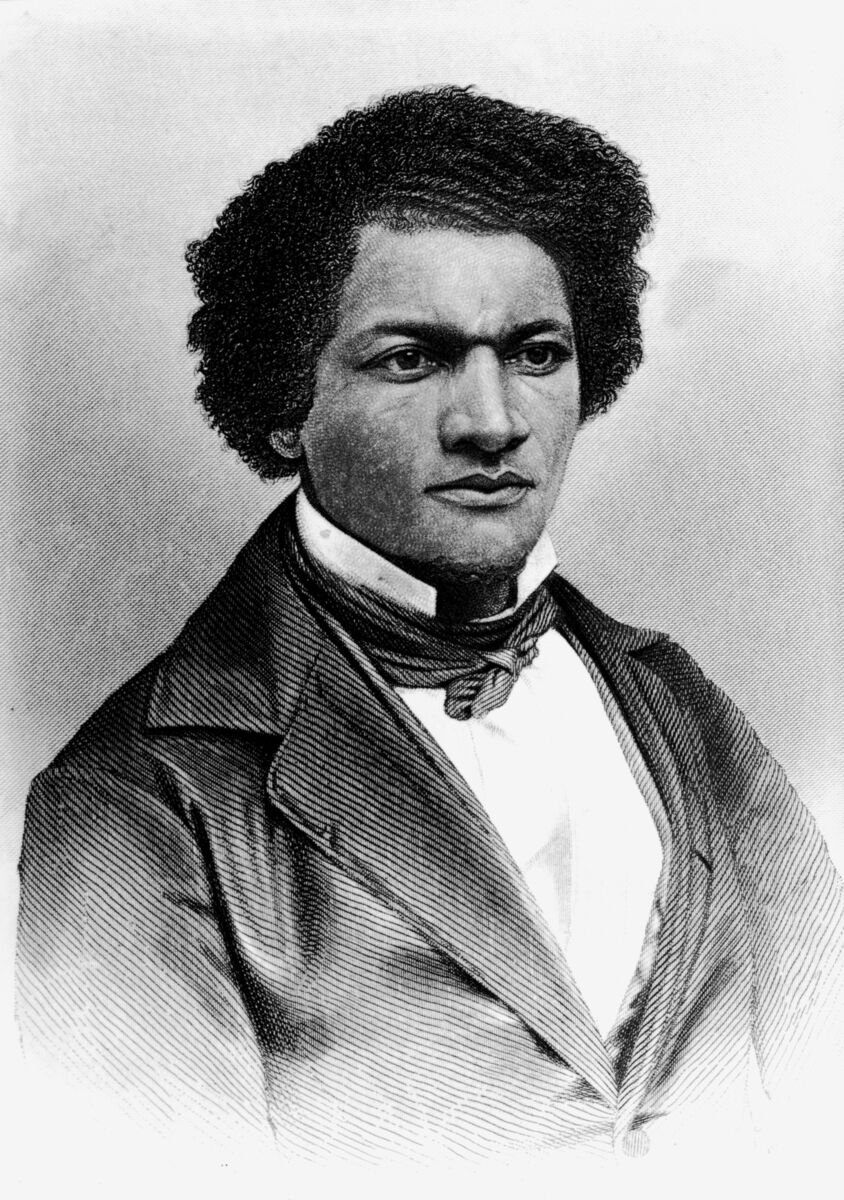
The Jennings family hosted the American social reformer and orator for the month he spent in Cork in 1845. During that time, Isabel took it upon herself to be by his side as he made his way through the city delivering powerful talks to packed venues.
That warm reception — he later said he felt like a man, not a chattel in Ireland — is well-documented and commemorated.
Not so the work of Isabel Jennings, or the very many women who joined the anti-slavery societies formed in several Irish towns in the mid-19th century. At one point, there were more women involved in those societies than there were men.
If they are forgotten now, their work was acknowledged and appreciated at the time. Douglass singled out Isabel for mention in a letter to the Lord Mayor of Cork Richard Dowden. He thanked her for her ongoing interest in his mission.
HISTORY HUB
If you are interested in this article then no doubt you will enjoy exploring the various history collections and content in our history hub. Check it out HERE and happy reading
In turn, she praised him as noble-minded and sensitive: “Everything mean, sordid or slavish is foreign to him,” she wrote. The two corresponded for the rest of their lives. He addressed her as “Dear Isa” while she started her letters, “My Dear Friend”.
Read More
She is even described as “his first female confidante” in an entry in the , which tells us how Douglass confided his concern about the pain his prolonged overseas tour would cause his wife.
That friendship and Jennings’s considerable contribution to the anti-slavery campaign might be little-known here, but they are celebrated in the US.
In 2021, for instance, she was described as a “changemaker” by the Global Lane Initiative, a US-based charity. It summed up her work like this: “She is considered an important female figure in Douglass’ life as she was a lifelong close friend of his and was actively involved in his oratorical effort.”
What I wouldn’t give to drop into her house at number 11 Brown Street in Cork city centre (more or less where Paul Street carpark is now). It was a rather grand establishment which was once described as a place “filled with music, gossip and talk of the latest reforms”.
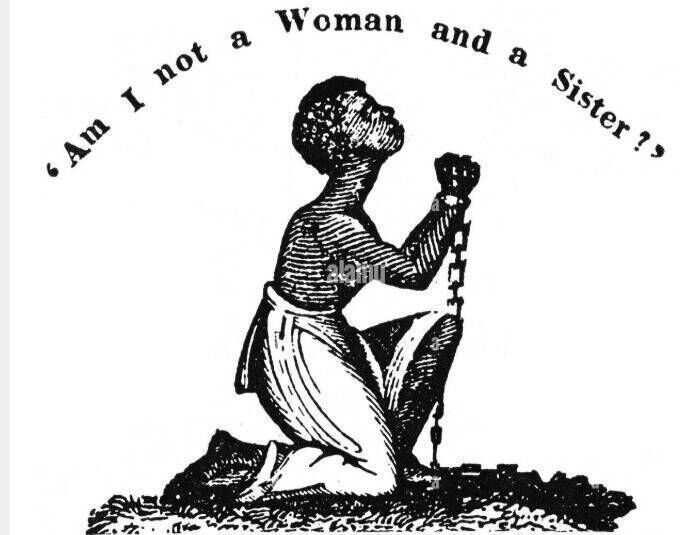
But then Isabel came from wealth. She was one of nine children born to Unitarian couple Thomas and Ann Jennings, the affluent family behind a very successful vinegar and soda-water business. The family had a social conscience too, and was active in a number of causes from abolition to temperance.
Some of Isabel’s sisters, Jane, Charlotte and Helen, are also mentioned in accounts of weekly anti-slavery meetings but she remains the most prominent. Is that because she was “perhaps the sharpest tongued of the family”? as one account tells us.
Goodness knows what you needed to do to gain such a label nearly 200 years ago, but what comes across in her letters is her determination, integrity, political savvy and curiosity.
At least in the letters that have been digitised by Boston Public Library. Sadly, those don’t include her correspondence with Douglass, but it’s clear she was already deeply involved in the anti-slavery movement long before his visit to Cork.
In 1843, after abolitionist Charles Lenox Remond visited the city, she and fellow secretary Mary Mannix wrote to American supporter Maria Chapman Weston to say that the Cork ladies were “old organised abolitionists to a woman!”
It is fascinating to be able to identify some of those women, thanks to a 1846 letter held at Cork City and County Archives Service.
There’s a list of several people, mostly women, who were willing to receive contributions — “wool work of every description, and articles ornamented with steel, silver or gold beads are very desirable” — to send to the Boston Anti-Slavery bazaar.
Among them, the society’s president, Mrs Beamish of Beaumont from the famous brewing family. The Lord Mayor’s daughter Miss [Susan] Dowden of Sunday’s Well is also on the list. She later continued her father’s philanthropic work.
There’s a Miss Jameson from Tralee, the only non-Cork person. That’s of interest not just because I’m a Tralee woman but it shows the reach of the society.
There’s a Mrs Fisher from Youghal, too, who is most likely Jane Fisher, wife of the well-to-do Quaker insurance agent Abraham and mother of 17.
How she found time to do anything else is astonishing in itself but she was an unflinching early member of the temperance movement, and such a committed abolitionist that she refused to use any products associated with the labours of slavery.
Little wonder her own daughter, Anna Haslam, went on to become a dogged activist herself, campaigning for women’s rights all of her life. She had the satisfaction of casting her first vote at the age of 90 in 1918 when some women in Ireland won the vote.
Meanwhile, the Cork ladies did not hold back when describing the “unparalleled horrors and atrocities” that were committed daily under the American slave system. (The Slavery Abolition Act of 1833 ended slavery in most of the British colonies, but it wasn’t abolished in the US until 1865).
Much of their work involved raising funds and, perhaps more importantly, awareness. One account says that Isabel Jennings helped to secure the sale of 600 copies of Frederick Douglas’s memoir, .
She also helped to raise funds for his anti-slavery newspaper, the .
Her letters concentrate on details of her efforts to raise funds, but they also offer an insight into life in Ireland in the bleak days of the 1840s. There is mention of the potato blight and concern for the numbers of people “dying of want”.
She also noted that the pledge had failed to enforce temperance in Ireland. On a lighter note, she said she had been captivated by a certain book published in August 1847.
“We have been very much interested lately in a new novel by a new writer — ‘Jane Eyre’ is the name of the book — the author [Charlotte Brontë] evidently believes in mesmerism [a kind of therapeutic hypnotism]. We find every day fresh evidence of its curative powers.”
She claimed that one of her sisters had used it to great effect: “My sister has cured one nice young mother of epilepsy — even fear of it has gone from her,” she wrote.
Isabel Jennings has fascinated me for a long time, but I thought of her again recently after seeing that poet Eavan Boland is now in prime position on the library wall at Trinity College Dublin. Her name replaces that of George Berkeley, the world-renowned philosopher, one-time Trinity librarian and slave owner.
While the college continues to teach and research his work, it voted to de-name the library in 2023 because of his involvement in the slave trade. It has not, however, attempted to erase history. Each step of the process, along with the pros and cons of de-naming, are discussed in an exhibition inside.
It provides a timely template on how we might discuss the subject given that a new Register of British Slave-traders lists a number of Irish people, or those with links to Ireland, in an inventory of 13,000 people who invested in the trafficking of enslaved African people from the 16th to the 19th centuries.
If the story of Irish anti-slavery campaigners is only beginning to be told, we have yet to truly broach the much more unsettling subject of Irish involvement in the slave trade.


CONNECT WITH US TODAY



Be the first to know the latest news and updates