Sarah Harte: I'm glad Liam and Noel made it up — but forgiveness is bullshit, isn't it?
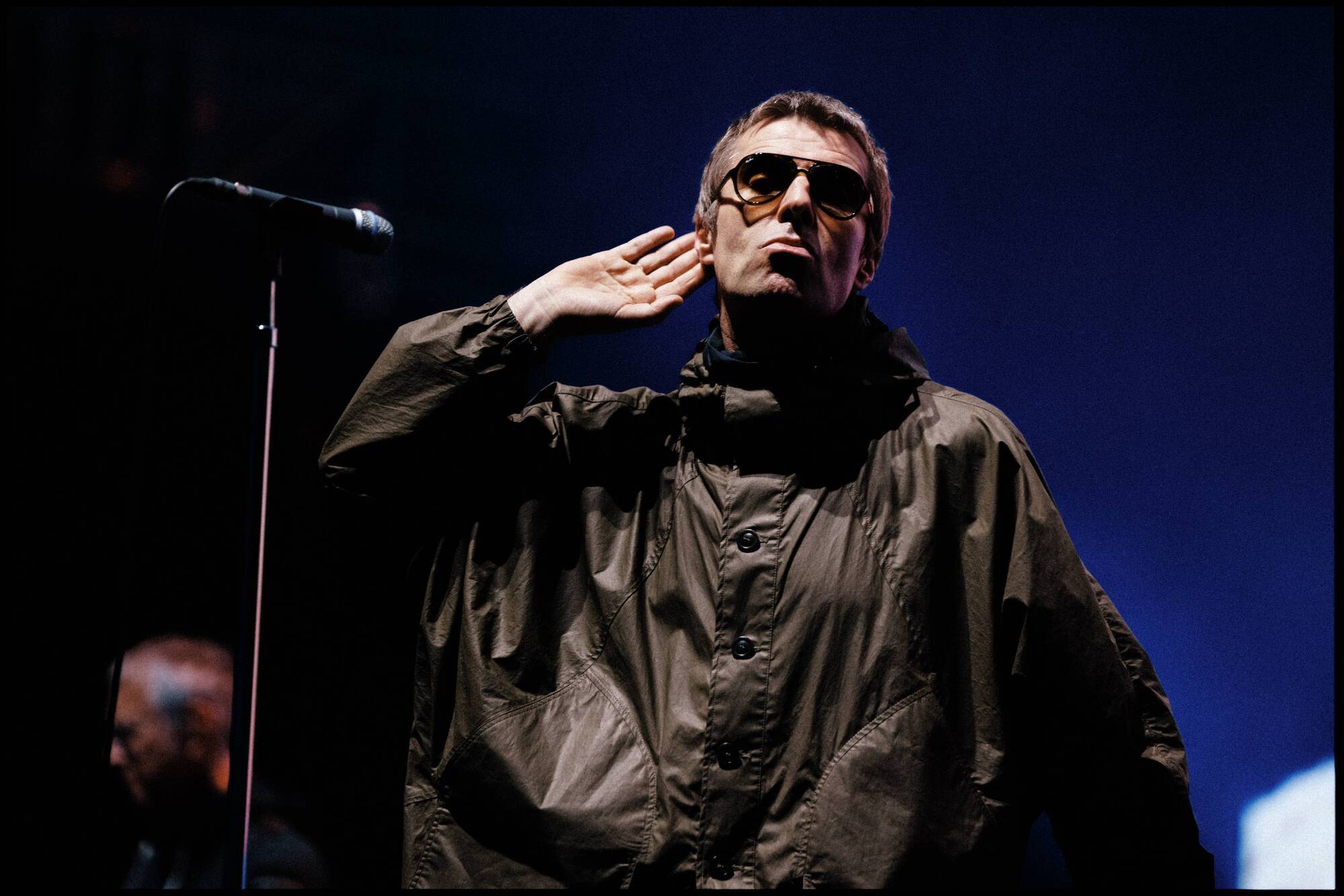
Liam Gallagher during the Oasis tour in 2025. Picture: Joshua Halling

I’ve been thinking about forgiveness recently for several reasons. I was with a much older woman when, out of the blue, she blurted she thought forgiveness was "bullshit". She added if somebody hurt her offspring, she would never forgive them.
If anyone hurt my offspring, I wouldn’t be thinking about forgiveness. I would come for them, Liam Neeson-style in the thriller , when he says: "I will find you, and I will kill you." Her comments got me thinking about forgiveness, though.
Then, I went to see the new Oasis documentary, , which gets five stars from me. The documentary is really about forgiveness, as it documents Oasis’s iconic juggernaut Live ’25 tour last year and the strained relationship between the Gallagher brothers. Creator Steven Knight has said forgiveness and reconciliation were, for him, the key to the documentary.
So, the title of the new documentary is fitting. I’m assuming you know the band broke up for years over a well-publicised rift between the two brothers, with their last gig not happening in Paris in 2009 and Noel Gallagher walking away. Their crawl back towards closeness is fascinating to watch and doesn’t feel faked.
Dylan Southern and Will Lovelace directed the documentary, and creator Steven Knight wrote it. It packs a big emotional wallop, so bring your Kleenex.
At first, I watched middle-aged superfans in bucket hats on screen, overwrought by emotion at seeing their heroes play, and I was sceptical. I mean, it was touching, but I initially questioned the intensity of their reactions to attending a concert.
Read More
I had no time to finish auditing those thoughts because I got well and truly sucked in and lamented I hadn’t brought tissues.
We watch the incremental repair of the bitterly fractured relationship between Noel and Liam. There is no come-to-Jesus moment. The reconciliation happens gradually. One standout moment is when Liam grabs Noel’s hand at the first show of the tour in Cardiff before they walk on stage, and Noel looks genuinely surprised.
After that, it becomes their signature opening move. It’s cute, not a word you’d necessarily associate with the Gallagher brothers.
Then there is the fact that watching the documentary inevitably brings you back in a time machine to when you first saw them play live. It’s not about them. It’s about you.
You think about what you were doing at that time. The people you went to the concert with, who you no longer speak to or have lost contact with. The bright, shining, optimistic, naive person you were then, with no clue about the challenges ahead or the crushing mistakes you would make that would have long-reaching consequences.
Early in the documentary, Noel describes his inability to forgive as a fatal flaw, yet he forgives his brother Liam without any heart-to-heart.
By the time you have clocked up enough road miles to be Liam (54) and Noel Gallagher’s (59) age, there are things to forgive and things to be forgiven for.
Noel says about his schism with Liam: "All was forgiven without a word." The documentary features a sermon from a Catholic priest who uses the brothers’ reconciliation as proof forgiveness can and should be strived for. I read elsewhere the brothers appeared in a nativity play at that church thanks to their devout Irish Catholic mother, Peggy. The priest became a breakout star in the documentary.
At the end, Noel says he never thought he would think it, let alone say it, but that his brother Liam was "delightful".
Maybe it’s different with siblings. Maybe that flesh-and-blood love goes so deep you don’t even have to verbalise the apology; you carry on.
But forgiveness is difficult when there is no genuine remorse, or when what you are offered is cheap grace. Some apologies don’t ring true.
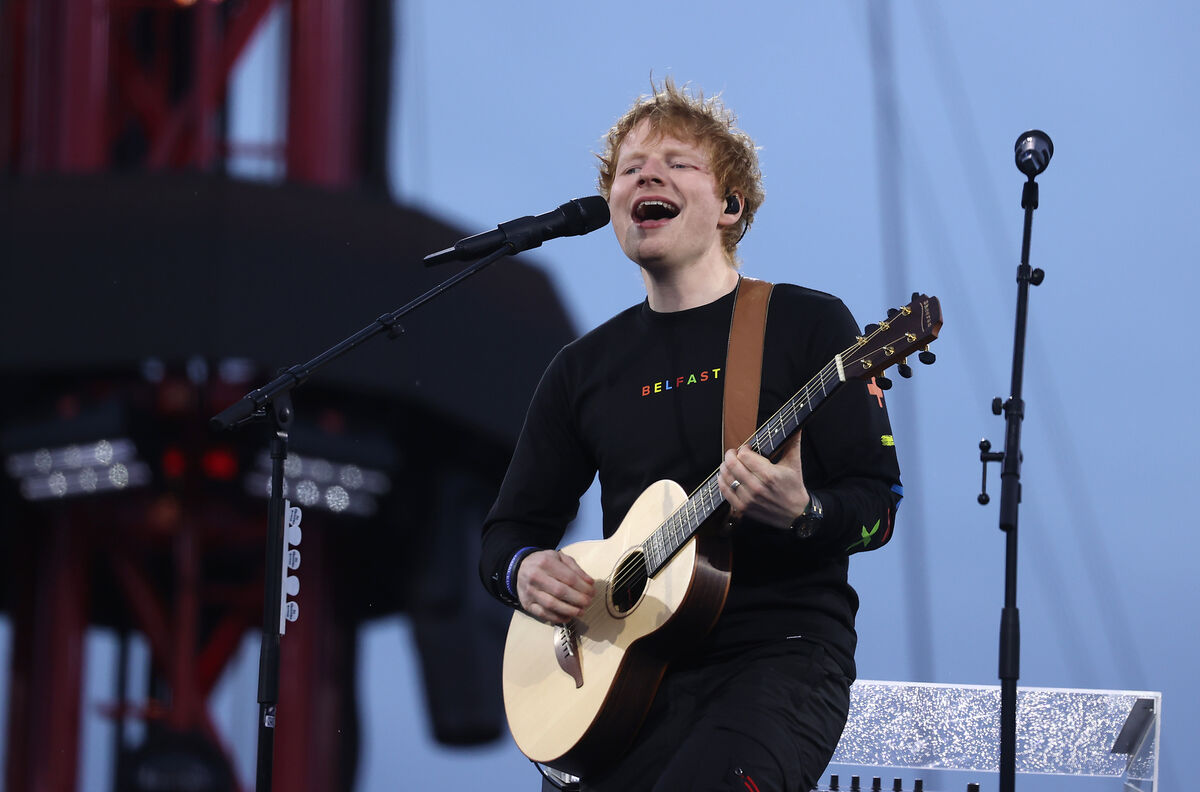
Ed Sheeran’s recent apology for the Macklemore controversy, which saw the musician Macklemore removed as an opening act at a concert in Massachusetts over comments on the occupied Palestinian territories, did not ring true. It just came across as PR-driven as he tried to dig himself out of a hole.
Performed on-demand remorse demeans everyone. Berating Sheeran makes no sense. He is what he is. So, let’s forgive people.
But should you always forgive? I asked two friends for their take.
My female friend in her 40s said life has reversed her views on forgiveness: "Forgiveness is overrated and a patriarchal tool of oppression. It kept me stuck in a terrible marriage. Women should never turn the other cheek, and they should never be pressured to forgive men." She’s no longer, in her own words, "the biddable good girl".
A male friend in his 50s, who would have been fairly combative and unforgiving as a younger man, said: "It’s a massive relief to forgive someone. It’s like a clenched fist in you relaxes. But some people make it hard to forgive. Just do it anyway. For yourself. Forgive, but don’t forget."
So, on the face of it, he’s coming from the same perspective as the writer Maya Angelou, who said: "It’s one of the greatest gifts you can give yourself, to forgive. Forgive everyone."
My question is: isn’t saying "I can forgive, but I cannot forget" a fancier way of saying "I will not forgive"?
These days, I tend more firmly toward the Old Testament side of the street. I would theoretically say you should forgive somebody but not forget. But if they cross a major red line, then you should never turn the other cheek. If somebody shows you who they are over and over, believe them.
Don’t forgive them — delete their contact details and try to forget they ever existed.
On a pleasanter note, I watched the Gallaghers reunite and felt pleased for their long-suffering, stoic mother, Peggy Gallagher, because her sons’ epic rupture must have been very hard on her.
The Gallaghers are our own, just with Manchester accents. Before they took to the stage in the Croke Park show last year, Noel Gallagher admitted he cried his eyes out as the crowds sang in Croker.
Over the weekend, by the way, Oasis sold out their entire tour next year of 42 shows, including the two concerts at Slane Castle next September.
I remain unconvinced about forgiveness. But I’m glad the lads made it up.

CONNECT WITH US TODAY



Be the first to know the latest news and updates