Use anti-tobacco tactics in obesity war
That very valuable, groundbreaking public health campaign will, we are assured by Health Minister James Reilly, accelerate within weeks when legislation to ban smoking in cars carrying children will be finalised.
New restrictions on tobacco packaging are also anticipated and it would not be surprising if the sale of e-cigarettes was controlled before long.
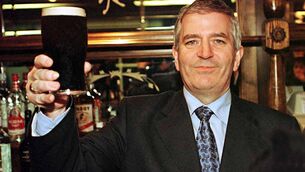
When the workplace ban, which included bars, restaurants, and hotels, was introduced, the legislation’s champion, then health minister Micheál Martin, faced steadfast, well-resourced, determined and sometimes hysterical opposition.
He was threatened with widespread job losses in what is fondly termed the entertainment industry, a questionable moniker for a sector offering enticing pleasures that lead to so many health challenges.
It is to his, and that government’s, lasting credit that he persisted and achieved a spectacular victory for the common good over the entrenched, life-destroying self-interest and greed of the tobacco industry, interests pursued vigorously and without any social responsibility today in countries where anti-smoking measures have not been enacted yet.
Though inexplicably great numbers of people still smoke, and still take up smoking, the legislation is responsible for saving up to 4,000 lives, more or less a life saved every day, since it was introduced. Smoking causes often fatal lung cancer and is the greatest cause of premature death from heart disease, stroke or high blood pressure.
The World Health Organisation estimates that 6m people a year die from smoking-related causes. That statistic is made even more sobering and intimate when it is pointed out that one-in-two smokers will die from a smoking — self-inflicted — disease.
Research has confirmed that the smoking ban has had very real benefits. It is linked to a 26% reduction in coronary heart disease, a 32% reduction in strokes, and a 38% drop in chronic obstructive pulmonary disease. Indeed, the science behind the lethal consequences of smoking is now so firmly established, so incontrovertible, that it is almost no longer necessary to refer to it to justify ever more restrictive measures around smoking.
Though the battle against tobacco is far from won, enough progress has been made to suggest that the measures used to make it more difficult to smoke — taxation and vetoes on smoking in public places and age limitations — might be part of the template against the next public health war, the one against the growing scourge of obesity.
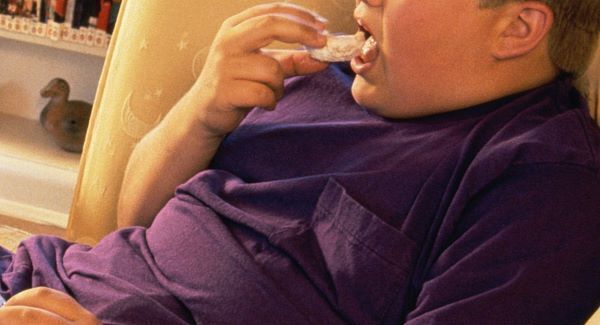
Just as so many lethal diseases are caused by tobacco, sugar and junk food have been identified as primary drivers in the obesity curse afflicting soaring numbers of people. To put this growing threat in context, a recent survey of national schools found that a quarter of school children were either overweight or obese. This represents a far greater threat to public health and public health resources than tobacco ever did, so measures at least as determined are justified.
For decades, a kind of phoney war raged against tobacco because the industry conglomerates influenced policy and intimidated opponents in a way only the most powerful can.
If the first lesson about tobacco is that we should never smoke, then the second one must be that courage and resilience are needed if the common good is to prevail. Any politician with the courage to take on the sugar and junk food behemoths should be encouraged and supported.


CONNECT WITH US TODAY



Be the first to know the latest news and updates